OTC Cold Medicine Safety in Children: Age Limits and Risks
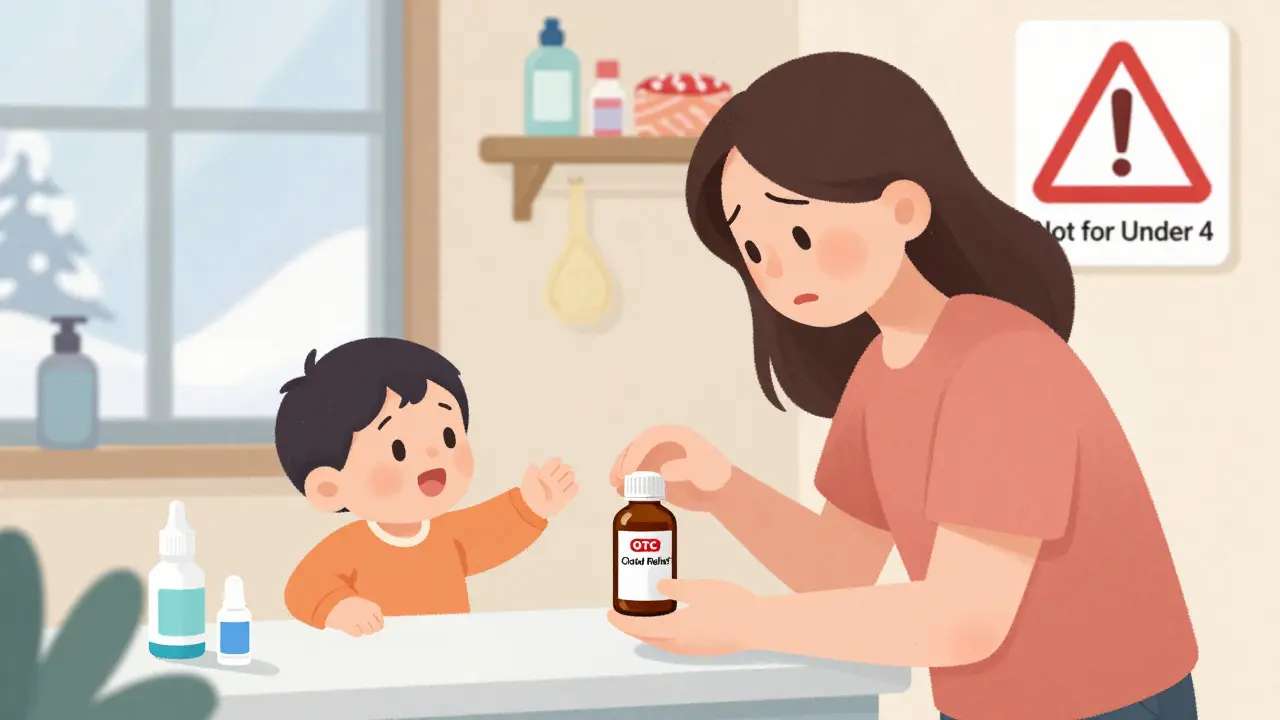
OTC cold medicines pose serious risks to children under 4 and offer little benefit. Learn the age limits, hidden dangers, and safe alternatives that actually work for coughs and congestion.
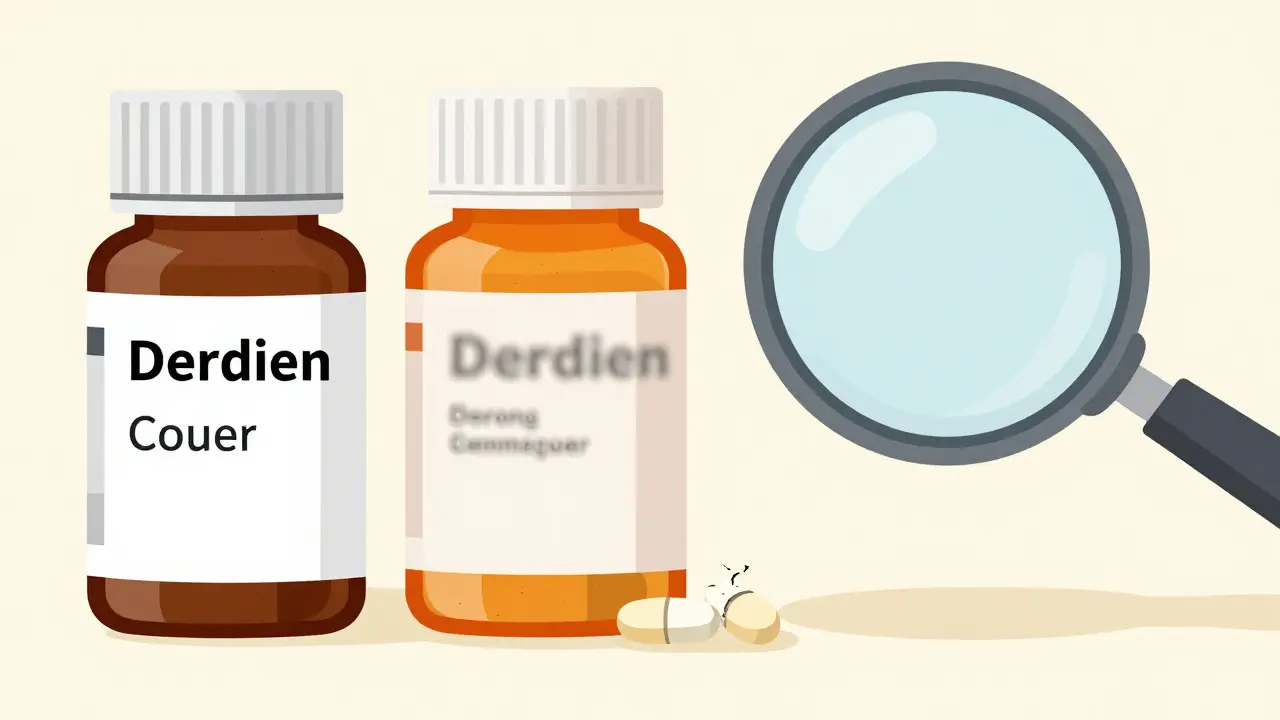
Counterfeit medications are a deadly global problem. Learn the warning signs-like odd packaging, wrong pill appearance, and suspiciously low prices-and how to protect yourself from fake drugs sold online or in unlicensed pharmacies.
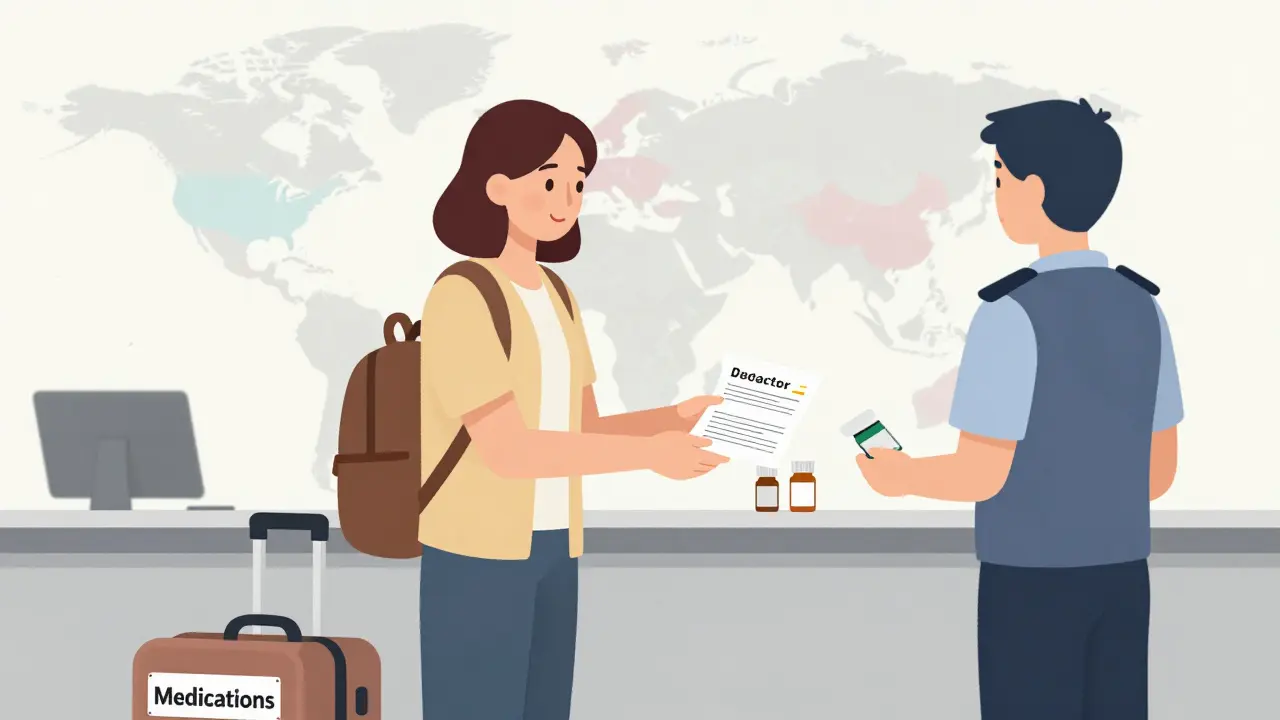
Learn how to travel with controlled medications without getting detained or having your pills seized. Essential tips for airport security, customs, and country-specific rules in 2025.
Many medications can distort your sense of smell, turning pleasant scents into foul ones. Learn which drugs cause dysosmia, why it happens, how long it lasts, and what you can do about it.
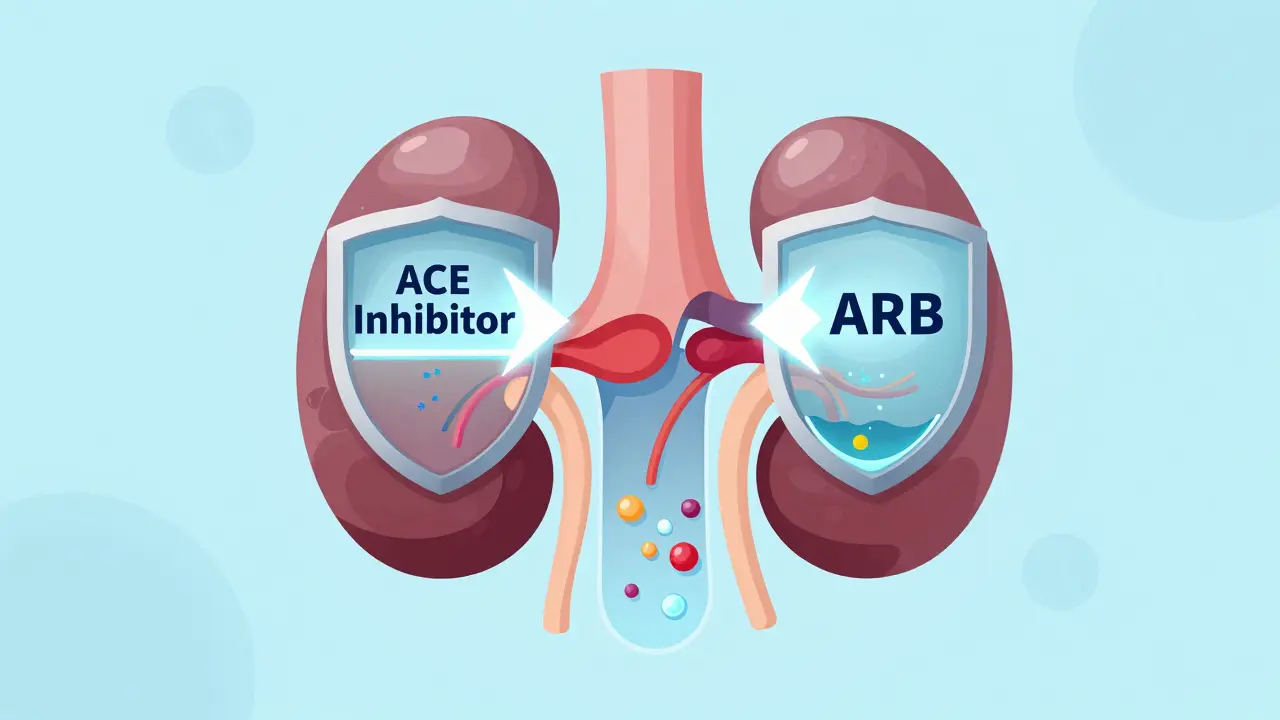
Lithium is effective for bipolar disorder but has a narrow safety window. NSAIDs, diuretics, and dehydration can dangerously raise lithium levels, risking toxicity. Learn how to avoid these interactions and stay safe.
Retail and hospital pharmacies handle medication substitution differently - one focuses on cost and patient choice, the other on clinical outcomes and team decisions. Understanding these differences is key to safer care.
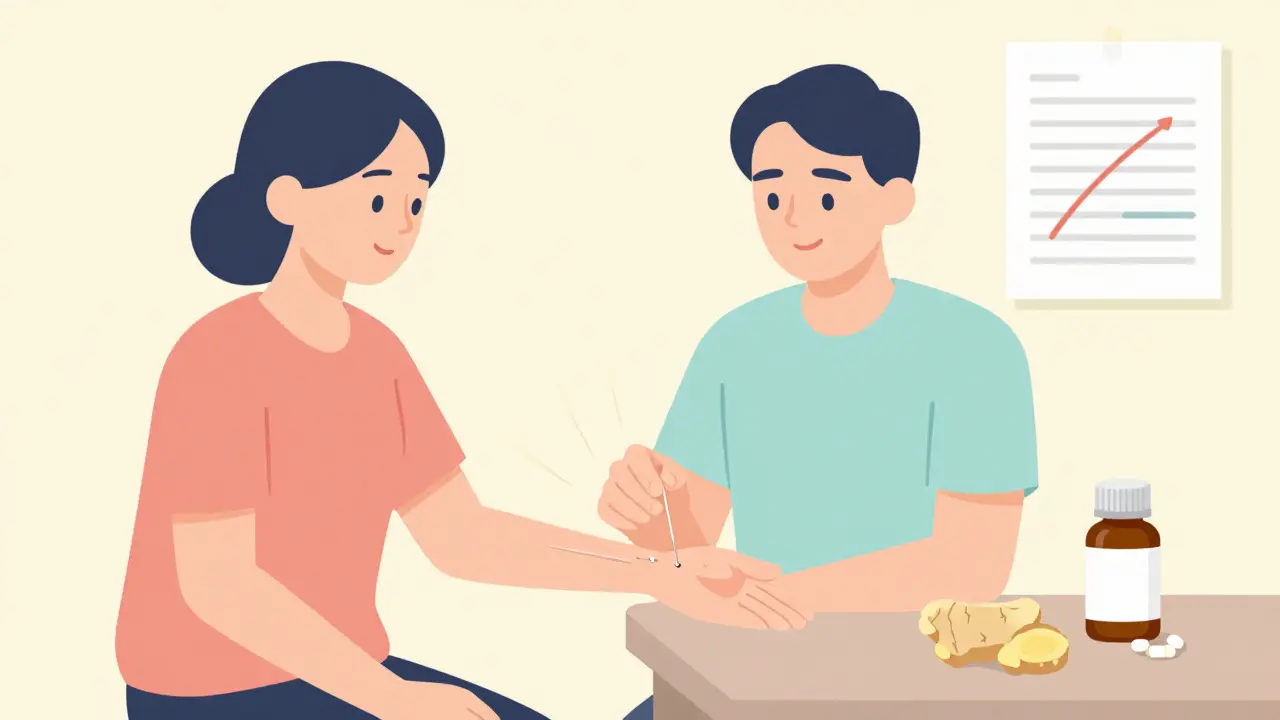
Expensive medications can save lives despite high costs and side effects. Learn when the clinical benefits outweigh financial and health risks - and how to navigate insurance, assistance programs, and real-world trade-offs.
Most people with a 'sulfa allergy' aren't truly allergic. Learn which medications you can still take safely, which ones to avoid, and how to get your allergy label corrected to prevent dangerous antibiotic misuse.
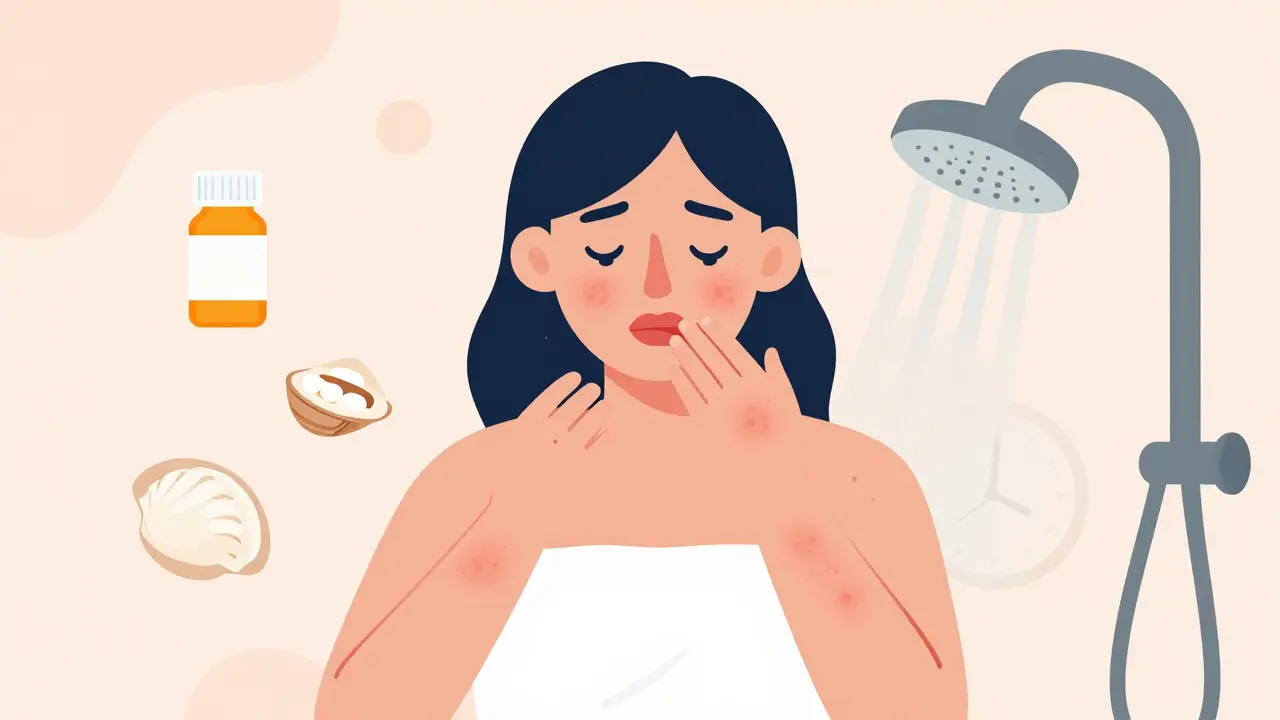
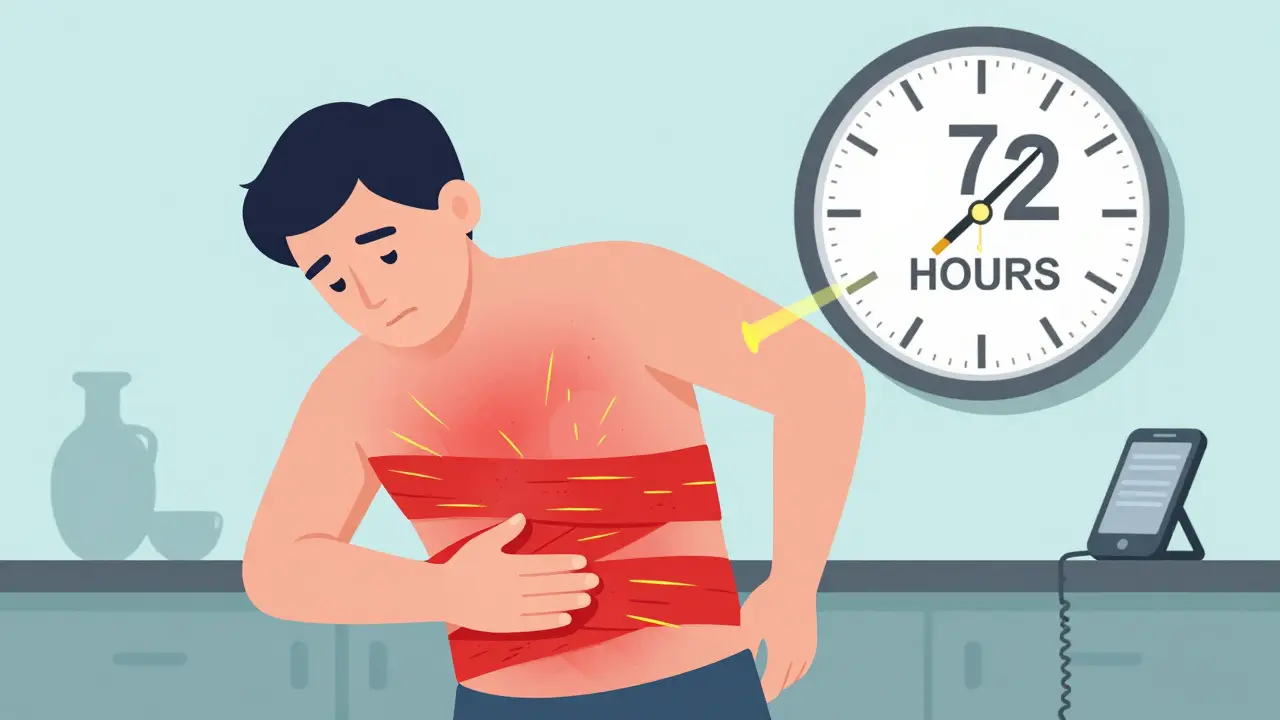
Vancomycin flushing syndrome is a common, preventable reaction to rapid IV infusion of vancomycin. Learn how to recognize it, why it's not an allergy, and how to avoid it with proper dosing and infusion rates.
Medication autonomy gives patients real control over their treatment choices-understanding options, weighing risks, and choosing based on personal values. Learn how to claim your right to decide what goes into your body.