Counterfeit Medications: Warning Signs and How to Protect Yourself
 Dec, 23 2025
Every year, counterfeit medications kill around 1 million people worldwide. These aren’t just bad pills-they’re dangerous fakes made in secret labs, often packed with poison, wrong doses, or nothing at all. If you’ve ever bought medicine online, picked up a refill from a new pharmacy, or taken a pill from a friend, you’re at risk. And it’s getting harder to spot the difference.
What Exactly Are Counterfeit Medications?
Counterfeit medications are fake drugs made to look like the real thing. They might have the same color, shape, and logo, but inside? They could contain rat poison, chalk, or too much fentanyl. The World Health Organization (WHO) separates them into two types: substandard (poorly made or stored) and falsified (deliberately fake). The ones that kill are the falsified ones-designed to trick you.These fakes aren’t rare. In 2024, the U.S. Food and Drug Administration (FDA) warned about counterfeit versions of popular weight-loss drugs like Mounjaro®, Zepbound®, and Ozempic®. Even insulin, antibiotics, and painkillers like Xanax and OxyContin are being copied with terrifying accuracy. Criminal gangs are using social media and encrypted apps to sell them directly to people looking for cheap prescriptions.
Warning Signs You’re Holding a Fake
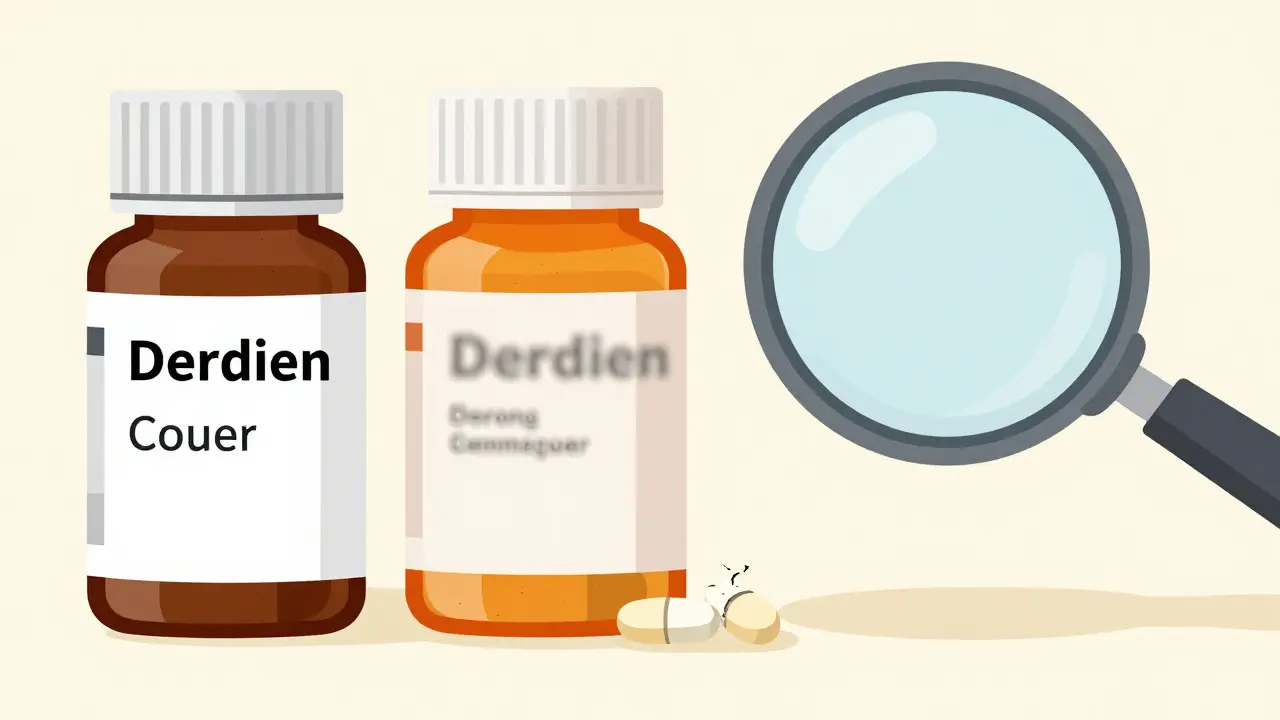
You can’t always tell a fake by taste or how it feels-but there are red flags you can spot before you take it.- Packaging looks off. Spelling errors, blurry logos, mismatched fonts, or faded colors are huge red flags. Legit pills come in clean, professional packaging. Fakes often use cheap materials that feel flimsy or have loose seals.
- Pills look or feel different. If your usual 10mg Xanax pill is now a smaller, paler oval with a different imprint, stop. Same goes if it tastes bitter, smells weird, or crumbles in your fingers. Pfizer says real pills have a factory-smooth finish-no cracks, bubbles, or powder residue.
- No lot number or expiration date. Every legitimate medicine box has both. If it’s missing, or if the date looks scratched or altered, walk away.
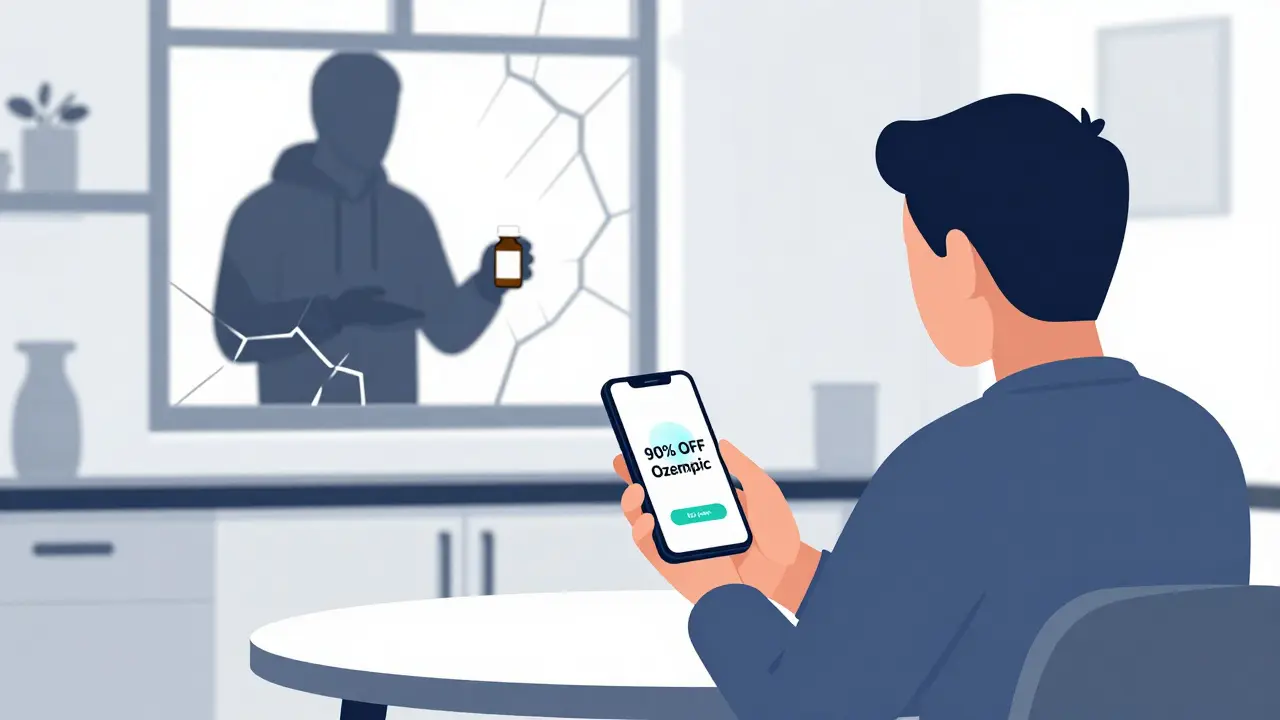
- Price is too good to be true. A 30-day supply of Ozempic® selling for $20? That’s not a deal-it’s a trap. Counterfeiters lure buyers with 70-90% discounts. Real pharmacies don’t work that way.
- You bought it online without a prescription. In the U.S., legal pharmacies require a valid prescription. If a website sells pills without one, it’s illegal-and likely fake.
The FDA says if your medication looks different than usual, or you feel new side effects-dizziness, nausea, or even a sudden lack of relief-you should suspect a fake. Don’t ignore it.
Where Are These Fakes Coming From?
Most counterfeit drugs enter the market through unregulated online pharmacies. The National Association of Boards of Pharmacy (NABP) found over 10,000 illegal websites selling fake versions of GLP-1 drugs alone. Many of these sites look professional-they even have fake licenses and fake customer reviews.Some fakes come from overseas labs in China, India, or Eastern Europe. Others are made locally in hidden garages or warehouses. Criminals buy real packaging from discarded boxes or stolen inventory, then refill them with whatever they can get their hands on. That’s why even the packaging can look perfect-until you check the fine print.
And it’s not just pills. Injectable drugs like insulin and weight-loss treatments are now being counterfeited too. In 2024, falsified versions of tirzepatide injections were found across North America and Europe. These aren’t just ineffective-they can cause dangerous spikes in blood sugar or severe allergic reactions.
How to Protect Yourself
The best defense is knowing where to buy-and how to check.- Only use licensed pharmacies. In Australia, look for the AHPRA logo. In the U.S., use pharmacies verified by the NABP’s VIPPS program. You can check their website to confirm if a pharmacy is legitimate.
- Never buy from social media or unverified websites. If someone texts you a link to “discount Ozempic,” don’t click it. If a website doesn’t ask for your prescription, it’s not legal.
- Ask your pharmacist. If your pill looks different, call your pharmacy. Pharmacists know what’s normal for your medication. They can check the lot number and confirm if there’s a recall or counterfeit alert.
- Don’t share or accept meds from others. Pills from friends, family, or street dealers are never safe. Even if they’re from a “real” bottle, they could’ve been switched.
- Check the lot number. If you’re suspicious, call the manufacturer. Pfizer, Eli Lilly, and Novo Nordisk all have hotlines to verify if a lot number is real. You can report a fake to them directly.
Pharmaceutical companies track counterfeit reports closely. If enough people report the same fake lot number, they’ll issue a public alert. Your call could save someone’s life.
What to Do If You Think You’ve Taken a Fake
If you’ve taken a pill you suspect is fake, don’t panic-but don’t wait either.- Stop taking it. Even one dose can be dangerous, especially if it contains fentanyl or heavy metals.
- Save the packaging. Keep the bottle, box, and pill. Take a photo if you can’t keep the physical item.
- Call your doctor. Tell them what you took, when, and what symptoms you’re feeling.
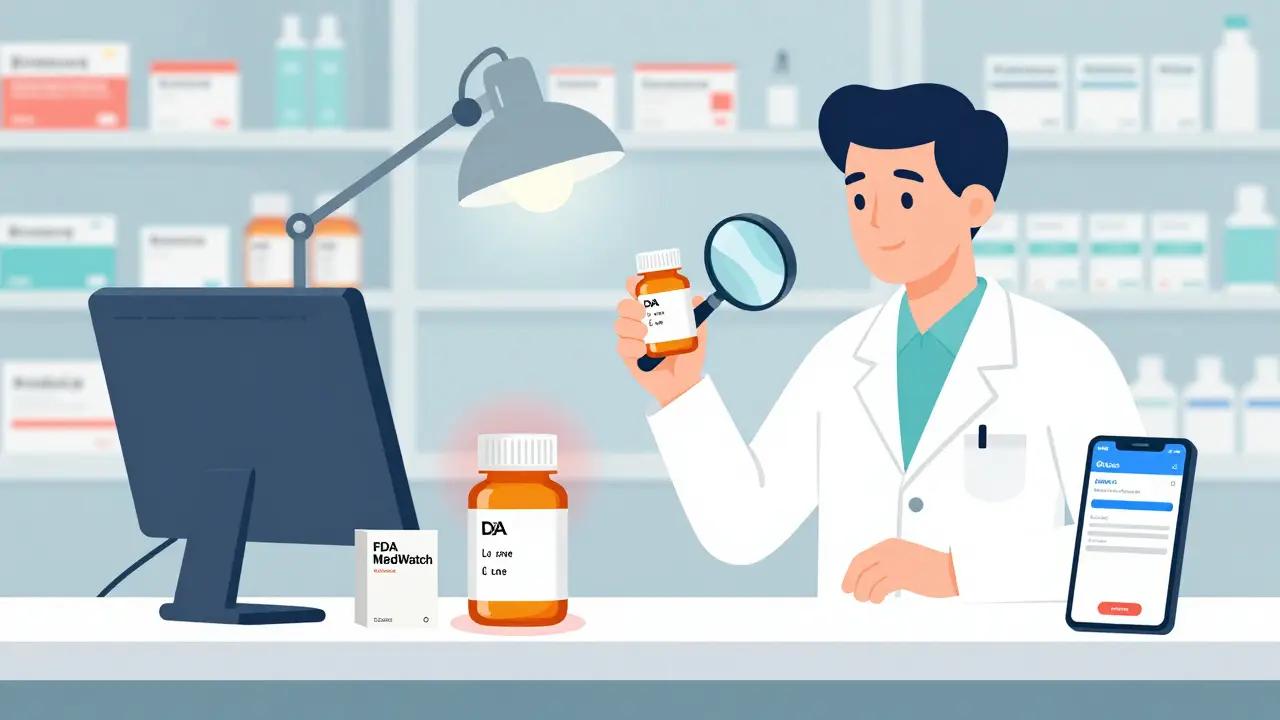
- Report it. In Australia, report to the Therapeutic Goods Administration (TGA). In the U.S., file a report with the FDA’s MedWatch program. The more reports, the faster authorities can act.
Counterfeiters rely on silence. If you speak up, you help stop the next batch from reaching someone else.
The Bottom Line
Fake meds aren’t a distant problem-they’re in your neighborhood, your inbox, and maybe even your medicine cabinet. The most dangerous part? They look real. But you don’t need to be a scientist to spot the signs. Pay attention to packaging. Question unusual prices. Verify your pharmacy. Talk to your pharmacist.Medications are meant to heal-not harm. Don’t let a fake one slip through because you thought it was “just one pill.” Your life isn’t worth the risk.
Payson Mattes
December 24, 2025 AT 04:11Okay but have you ever noticed how every time the FDA issues a warning, the same 3 big pharma companies suddenly get a 40% stock bump? Coincidence? I don’t think so. They need these scares to keep prices high and push people toward their ‘verified’ pharmacies-because guess who owns those? I’ve seen docs with the same lot numbers as the ‘fake’ pills, but they’re just repackaged from the same supplier. The whole system’s rigged. You think you’re safe because you bought from a ‘VIPPS’ site? Nah. They’re all connected. Someone’s making bank off your fear.
Bhargav Patel
December 25, 2025 AT 02:28It is a profound irony that in an age of unprecedented pharmaceutical innovation, humanity remains vulnerable to the most primitive of deceptions: the substitution of truth with imitation. The counterfeit pill, in its silent, lethal simplicity, mirrors the moral decay of a society that prioritizes convenience over consequence. We outsource our health to algorithms and discount websites, yet we are unwilling to pay the true cost of safety-monetarily, ethically, and existentially. The real epidemic is not the fakes themselves, but our collective surrender to the illusion of control.
Steven Mayer
December 26, 2025 AT 03:05Substandard pharmacokinetics in falsified GLP-1 analogs induce unpredictable Cmax and AUC profiles, which can trigger off-target receptor binding in peripheral tissues. The absence of excipient validation introduces unquantified bioavailability variance-especially dangerous in polypharmacy patients. I’ve reviewed 17 FDA MedWatch reports from Q3 2024 where patients presented with unexplained hypoglycemia; all had purchased via Telegram-based vendors. The regulatory lag is a systemic failure vector. We need blockchain traceability at the batch level, not just ‘check the lot number’ platitudes.
Sidra Khan
December 28, 2025 AT 00:33Wait, so if I buy insulin from a guy on Instagram who says ‘I got it from my cousin who works at CVS’ it’s fake… but if I buy it from a website that looks like CVS but isn’t, it’s ALSO fake? 😭 So… what even is real anymore? I just want to live. Can someone please make a TikTok about this? With glitter?
Ademola Madehin
December 28, 2025 AT 17:33Bro this is wild 😳 I just bought Ozempic off a guy in Lagos for $30 and now I’m scared to even pee. My cousin’s friend’s uncle died from something like this last year. I’m not even gonna lie-I took one pill just to test it. Felt like my heart was trying to escape my chest. I’m calling my mom. I’m calling the police. I’m calling the president. I’m calling my therapist. I’m calling you. I’m calling the FDA. I’m calling my cat. I’m calling the moon. HELP.
suhani mathur
December 30, 2025 AT 12:58Oh honey, you really think the problem is ‘buying online’? Let me guess-you’ve never gotten your metformin from a pharmacy that didn’t have a 30-minute wait and a clerk who looks like they haven’t slept since 2019? Real pharmacies? More like ‘real’ as in ‘real expensive.’ You want to know where the real fakes are? In the insurance-approved formularies where generics are repackaged with expired active ingredients and no one checks. You think your ‘VIPPS’ pharmacy doesn’t cut corners? Sweetie, they’re just better at hiding it. Check your pill’s dissolution rate next time. Or better yet-don’t take it at all.
Diana Alime
December 31, 2025 AT 13:58i just got my xanax from walmart and it looks kinda… different? like the imprint is lighter? and the color is more yellow? i thought maybe it was just my eyes but now im paranoid. i took one anyway bc i was anxious and now i feel fine?? so maybe it’s fine?? right?? i mean, it’s walmart. they wouldn’t sell poison. would they?? 🤔
Chris Buchanan
January 2, 2026 AT 00:27Look. I get it. You’re scared. But panicking won’t save you-action will. If you’re worried about a pill, call your pharmacist. Not Google. Not Reddit. Them. They’ve seen 10,000 versions of that same pill. They know what’s normal. And if they say ‘this batch was recalled’? You don’t argue-you return it. And if you bought it online? Delete the app. Block the number. Tell someone. This isn’t about being paranoid-it’s about being alive. One fake pill doesn’t just hurt you. It gives criminals data, money, and confidence. Don’t be the reason they keep going. Be the reason they stop. You’ve got this.