Evidence-Based Complementary Treatments for Medication Side Effects
 Dec, 29 2025
Medication Side Effect Complementary Treatment Checker
Check evidence-based complementary treatments that may help with your medication side effects. This tool uses data from the National Center for Complementary and Integrative Health (NCCIH) and other peer-reviewed sources to show what's safe and effective. Always consult your doctor before trying any complementary treatment.
Enter Your Medications
Your Side Effects
Evidence-Based Recommendations
Important Safety Notes
- Never stop prescribed medications without consulting your doctor
- Always inform your healthcare provider about complementary treatments you're using
- The FDA does not regulate herbal supplements like prescription drugs
- Most interactions happen with high doses or long-term use
When you're taking medication for a chronic condition-whether it's high blood pressure, depression, or cancer-side effects can make life harder than the illness itself. Nausea, fatigue, dry mouth, dizziness, constipation, or neuropathy aren't just annoyances; they can make you skip doses, lose sleep, or quit treatment altogether. Many people turn to complementary treatments to manage these effects, hoping for relief without more pills. But not all of them work, and some can be dangerous. The good news? There are several options backed by solid science that actually help, when used correctly and with your doctor’s approval.
What Counts as an Evidence-Based Complementary Treatment?
Not everything labeled "natural" or "holistic" is safe or effective. Complementary treatments are practices used alongside, not instead of, your prescribed meds. The key word here is evidence-based. That means real studies-randomized trials, meta-analyses, peer-reviewed journals-show they work for specific side effects. The National Center for Complementary and Integrative Health (NCCIH) tracks these, and their data shows that about 38% of U.S. adults use some form of complementary approach, mostly to handle side effects from medications. The most common targets? Nausea, pain, fatigue, and digestive issues.Acupuncture: Proven for Nausea, Constipation, and Neuropathy
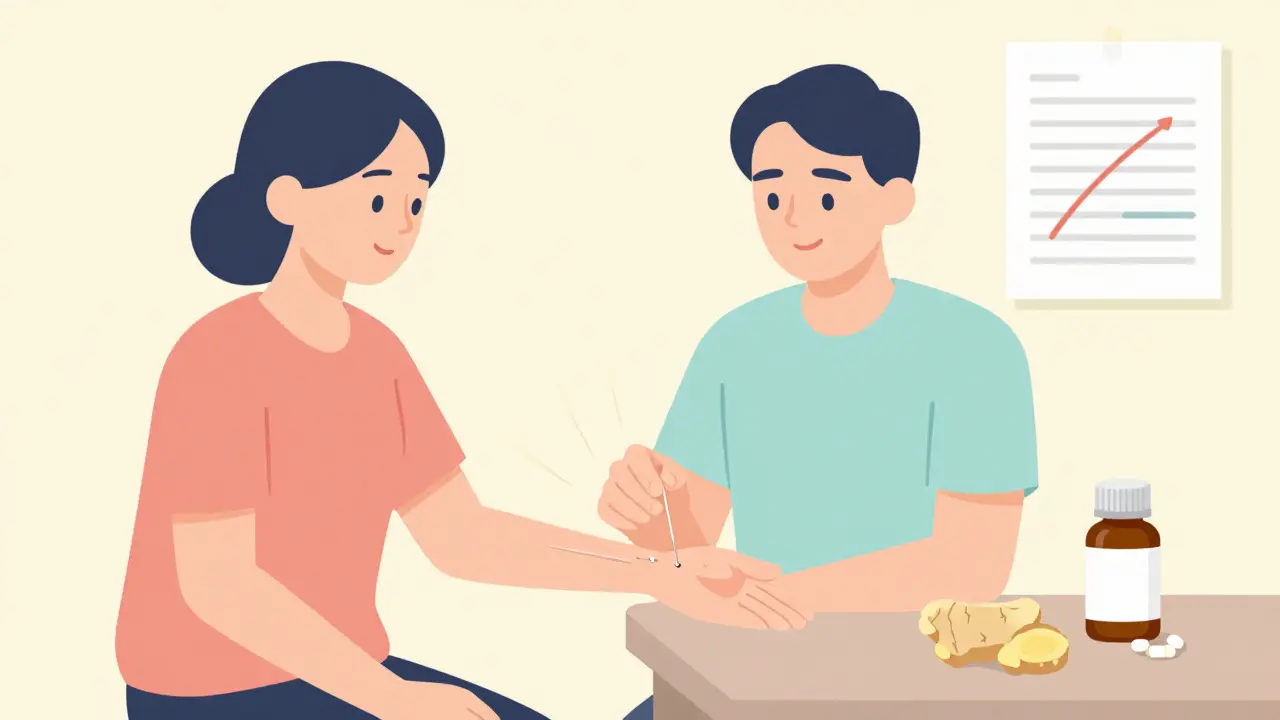
If you’ve ever had chemo and felt like you were going to throw up, you’re not alone. Acupuncture has been studied more than almost any other complementary therapy for this. A 2017 meta-analysis in JAMA Oncology looked at 11 high-quality trials involving over 1,000 cancer patients. Those who got real acupuncture had a 36% lower chance of vomiting after chemo compared to those who got fake acupuncture (where needles didn’t even pierce the skin). That’s better than some anti-nausea drugs. It also helps with opioid-induced constipation. A 2020 Cochrane review of 41 trials found acupuncture reduced constipation by 32% more than standard care alone. For nerve pain from chemo drugs like taxol, patients report up to a 50% drop in pain after weekly sessions. The mechanism? It likely triggers the release of natural painkillers like endorphins and affects nerve signaling. It’s not magic-it’s biology. And unlike many herbs, it has very few interactions with medications.Ginger: A Kitchen Staple That Actually Works
You don’t need a clinic to try this one. Ginger root, in capsule or tea form, has been shown in multiple studies to cut chemo-induced nausea by 40%. A 2013 study in the Journal of Pain and Symptom Management gave patients 0.5 to 1.0 gram of powdered ginger daily, split into two doses. Those who took it reported significantly less nausea than those who took a placebo. One patient on Reddit, u/ChemoSurvivor2022, said ginger capsules reduced her nausea by 70% compared to ondansetron alone. It’s not just for cancer. Ginger also helps with motion sickness and nausea from pregnancy or anesthesia. It’s generally safe at these doses, but don’t go over 4 grams per day. High doses can cause heartburn or interact with blood thinners like warfarin. If you’re on blood pressure meds, talk to your doctor first-ginger can slightly lower blood pressure, and stacking it with your meds might push it too low.Massage and Mind-Body Practices: Tackling Fatigue and Stress
Fatigue from chemotherapy, antidepressants, or even heart meds can feel crushing. Massage therapy isn’t just relaxing-it’s been shown to reduce fatigue levels in cancer patients by up to 30% in clinical trials. A 2021 study in the Journal of Clinical Oncology found that 30-minute weekly massages over six weeks improved sleep, reduced anxiety, and lowered cortisol levels. Mind-body techniques like tai chi, yoga, and meditation also help. They don’t directly stop nausea, but they help your nervous system reset. People on long-term opioids often develop a kind of mental exhaustion-feeling wired but tired. Mindfulness practices improve that by reducing stress signals in the brain. A 2022 review in Pain Medicine showed patients who did 10 minutes of daily breathing meditation reported less perceived pain and fatigue than those who didn’t.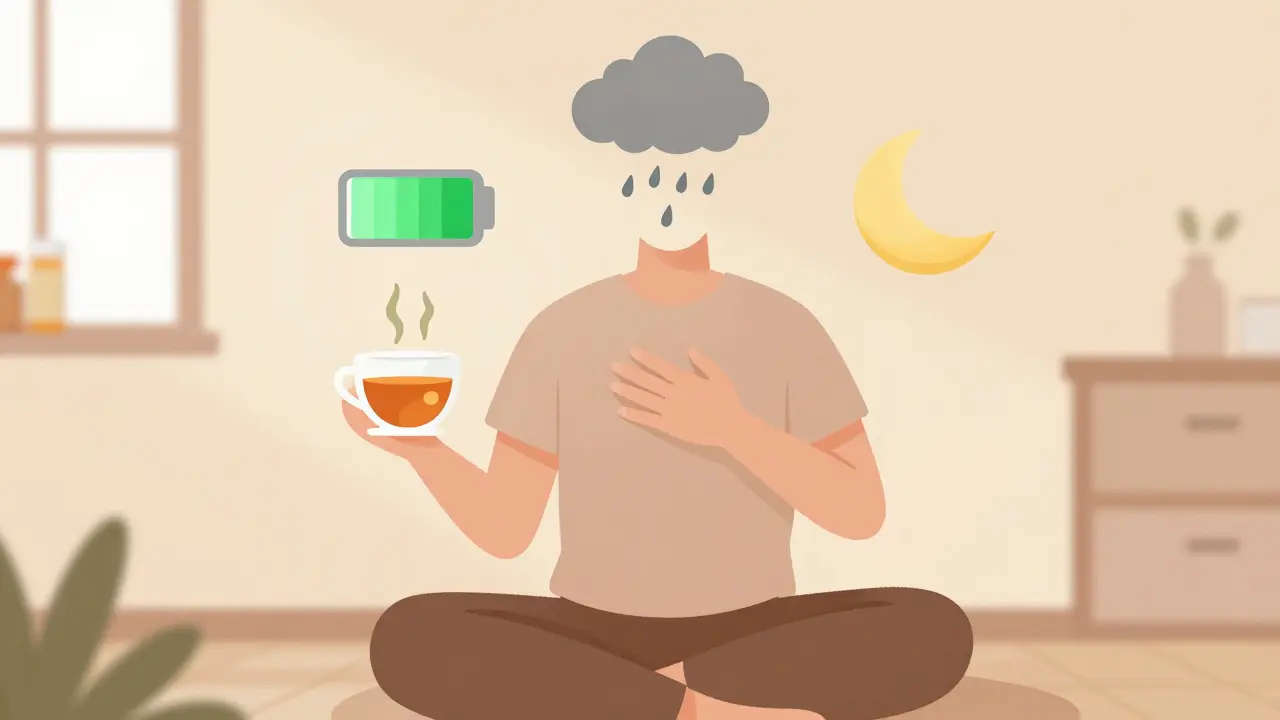
Herbs and Supplements: High Risk, Mixed Results
This is where things get dangerous. People assume "natural" means safe. It doesn’t. A 2018 study of 318 cancer patients found over half used herbal supplements. Of those, 12.2% were warned by their doctors because of dangerous interactions. Take milk thistle. It’s marketed to protect the liver during chemo. But one Reddit user, u/CancerWarrior87, ended up hospitalized with liver toxicity after taking it with his meds. Another example: garlic supplements. They can thin your blood. If you’re on lisinopril or aspirin, adding garlic can raise your risk of bleeding. Echinacea? Avoid it if you have lymphoma-it can overstimulate your immune system. Even something as simple as fish oil can interfere with blood clotting during surgery. The American Heart Association warns that some herbs-like blue cohosh and lily of the valley-can cause dangerous spikes in heart rate or drop potassium levels dangerously low, especially if you’re on digoxin. These aren’t hypothetical risks. They’ve landed people in the ER.What About Hawthorn, L-Arginine, and Other Supplements?
Some supplements have more nuanced data. Hawthorn, used for heart health, is generally well tolerated and may help with mild heart failure symptoms. But it can interact with beta-blockers and ACE inhibitors. The same study that found it safe also noted it might boost the effects of vasodilators, which could cause dizziness or low blood pressure. L-arginine, sometimes used for circulation, is okay at doses under 12 grams daily-but it can cause stomach upset and may interfere with nitroglycerin or blood pressure meds. The problem isn’t always the supplement itself. It’s that most supplements aren’t regulated. A 2023 FDA warning highlighted kratom products linked to 195 deaths since 2016. Even reputable brands can have contamination or inconsistent dosing. One study found that 25% of herbal products didn’t contain the herb listed on the label.How to Use These Safely: The 4-Step Rule
You don’t need to avoid complementary treatments. You just need to use them wisely. Follow this simple rule:- Don’t stop your meds. Never replace prescribed treatment with a supplement or acupuncture alone.
- Tell your doctor. Only 21% of patients in a UK hospital study told their doctors they were using CAM. That’s a huge gap. Your doctor needs to know what you’re taking to check for interactions.
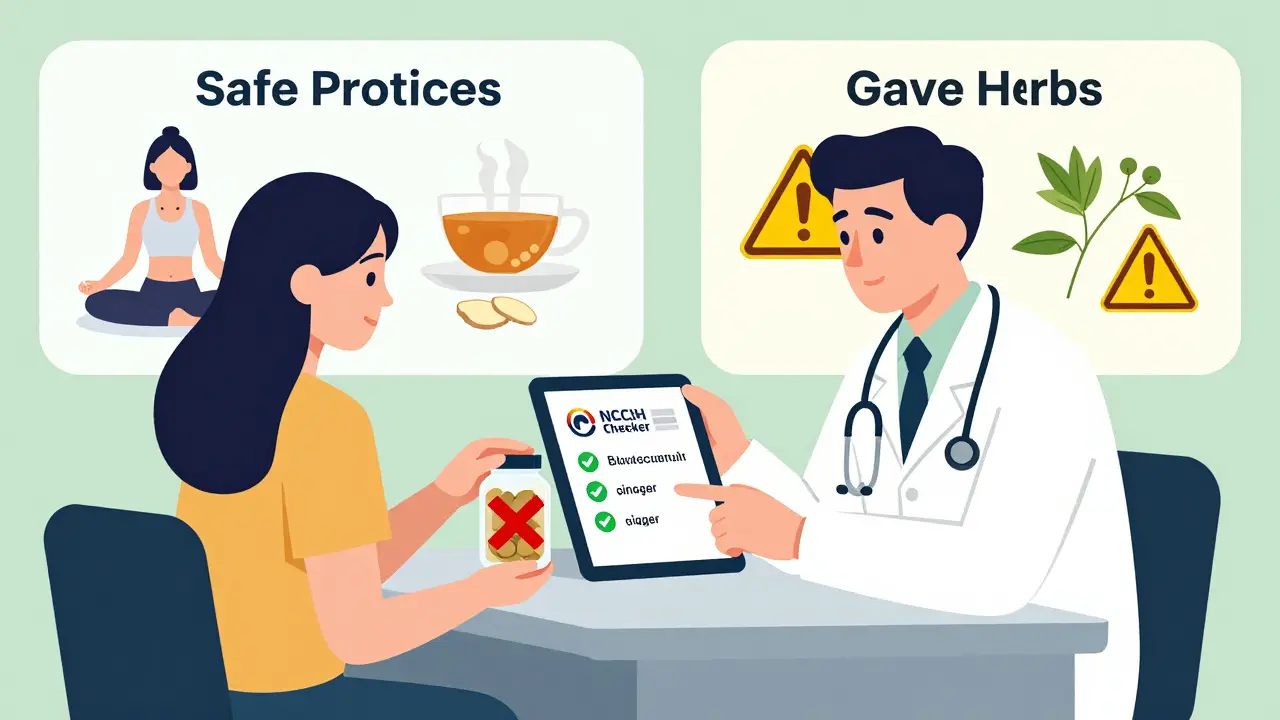
- Use trusted sources. Check the Memorial Sloan Kettering About Herbs app (updated September 2023) or the NCCIH’s online interaction checker. Both are free and updated monthly.
- Start low and monitor. If you try ginger or acupuncture, give it 2-4 weeks. Keep a simple log: what you took, when, and how you felt. Share it with your provider.
Why Most People Don’t Get the Help They Need
The biggest barrier isn’t cost or access-it’s silence. Patients are afraid their doctor will dismiss them. Doctors are afraid they don’t know enough. But the data shows otherwise. Mayo Clinic’s integrative medicine program now requires 12 specific data points about CAM use in every patient record. They’ve trained over 150 physicians in herb-drug interactions. And they’ve seen a 40% drop in ER visits related to supplement misuse since implementing these protocols. Hospitals that offer acupuncture, massage, or mindfulness programs report higher patient satisfaction and better adherence to medication regimens. One oncology center in Chicago saw 73% of patients stick to their chemo schedule after adding weekly acupuncture-up from 51% before.What’s Changing in 2025
The NIH spent $142 million on complementary medicine research in 2023-$52 million of that went directly to studying side effect management. New studies are looking at how genetics influence response to acupuncture or ginger. The NIH’s new Precision CAM initiative aims to predict who will benefit from which treatment based on biomarkers. Meanwhile, the FDA is cracking down on unregulated products. In 2023, they issued 12 new warnings on herbal supplements falsely marketed as cancer cures. Insurance companies are starting to cover acupuncture for chronic pain and chemo nausea. Medicare now reimburses for acupuncture in cases of chronic low back pain-and more conditions may follow.Bottom Line: You Can Feel Better Without Risking Your Health
You don’t have to suffer through side effects alone. Acupuncture, ginger, massage, and mindfulness are real tools with real science behind them. But herbs and supplements? Proceed with extreme caution. The goal isn’t to replace your meds-it’s to make them easier to tolerate. The best outcomes come when you’re open with your doctor, use proven methods, and avoid the hype. Your health isn’t a gamble. Use evidence, not anecdotes.Can I take ginger with my chemotherapy drugs?
Yes, but only after checking with your oncologist. Ginger has been shown to reduce chemotherapy-induced nausea by up to 40% at doses of 0.5-1.0 gram daily. However, it can thin the blood and may interact with blood thinners like warfarin or antiplatelet drugs. Your doctor can help determine if it’s safe based on your specific treatment plan and other medications.
Is acupuncture safe if I’m on blood pressure medication?
Acupuncture is generally safe with blood pressure medications. It doesn’t interfere with most drugs like ACE inhibitors, beta-blockers, or diuretics. In fact, some studies suggest it may help stabilize blood pressure naturally. But always inform your acupuncturist about your medications, and avoid deep needling near the neck if you have severe hypertension or heart rhythm issues.
Are herbal supplements regulated like prescription drugs?
No. In the U.S., herbal supplements fall under the Dietary Supplement Health and Education Act (DSHEA) of 1994, which means they don’t need FDA approval before being sold. Manufacturers aren’t required to prove safety or effectiveness. This has led to cases of contamination, mislabeling, and dangerous interactions. Always use trusted databases like Memorial Sloan Kettering’s About Herbs app to check for risks before taking any herb or supplement.
Why don’t more doctors recommend complementary treatments?
Many doctors lack training in complementary medicine. A 2021 study found that only 32% of physicians were familiar with tools like the NCCIH interaction checker. Others worry about patient safety or don’t have time to discuss alternatives. But hospitals with integrative medicine programs-like Mayo Clinic and MD Anderson-now train staff and have protocols in place. If your doctor seems dismissive, ask for a referral to an integrative medicine specialist.
What’s the most dangerous complementary treatment for medication side effects?
The most dangerous are unregulated herbal products with hidden ingredients or known drug interactions. Blue cohosh can cause dangerous heart rhythms, lily of the valley can trigger life-threatening low potassium when taken with digoxin, and unregulated kratom has been linked to over 195 deaths since 2016. Even common supplements like garlic, ginkgo, or fish oil can interfere with blood thinners or anesthesia. Always disclose everything you take to your doctor.
Can complementary treatments replace my medication?
No. Complementary treatments are meant to support, not replace, prescribed medications. Stopping your blood pressure drug, antidepressant, or cancer therapy to use only acupuncture or herbs can be life-threatening. Evidence-based complementary approaches work best when used together with your conventional treatment plan, not instead of it.
If you’re struggling with side effects, you’re not alone. The right complementary approach can make a real difference-but only if you use it safely. Talk to your doctor, check reliable sources, and don’t let marketing or online stories guide your choices. Your health deserves better than guesswork.
srishti Jain
December 29, 2025 AT 20:35This whole post is just corporate wellness propaganda. Acupuncture? More like placebo with needles. Ginger? My grandma used it for everything. And now we're treating it like science? 😒
Cheyenne Sims
December 31, 2025 AT 02:01The scientific rigor presented in this article is commendable. The inclusion of peer-reviewed meta-analyses from JAMA Oncology and Cochrane reviews demonstrates a responsible, evidence-based approach to complementary interventions. One must, however, remain vigilant against the conflation of anecdotal testimony with clinical evidence.
Shae Chapman
December 31, 2025 AT 07:36YAS QUEEN 🙌 This is the kind of info we NEED in 2025. Acupuncture + ginger = my new BFFs during chemo 💪🍵 I cried reading the part about 73% adherence going up-this isn’t just science, it’s hope. Thank you for writing this. 🥹❤️
Kunal Karakoti
January 1, 2026 AT 19:17It’s interesting how we assign moral weight to ‘natural’ versus ‘pharmaceutical.’ The assumption that herbs are inherently safer reflects a deeper cultural anxiety about control, technology, and the body. Perhaps the real issue isn’t the supplements-but our inability to tolerate uncertainty in healing.
Glendon Cone
January 2, 2026 AT 22:32Big shoutout to the Mayo Clinic and MD Anderson for actually doing the work. I’ve seen this firsthand-my aunt was on 8 meds and started weekly massage + mindfulness. Her sleep improved, she stopped skipping chemo, and she actually smiled again. No magic, just human care. 🙏
Henry Ward
January 3, 2026 AT 12:50Of course you’re telling people to ‘talk to their doctor.’ But doctors don’t know shit about this stuff. I took milk thistle for 3 months and ended up in the ER. My oncologist said, ‘Oh, that’s just a supplement.’ Well guess what? It nearly killed me. Stop pretending this is safe. It’s not. You’re just giving people false hope so you can sell more yoga mats.
Aayush Khandelwal
January 4, 2026 AT 14:56The epistemological dissonance here is fascinating-conventional medicine demands RCTs, yet the market for botanicals thrives on phenomenological validation. The pharmacopeia of the Global South, from Ayurvedic ginger protocols to Tibetan acupressure, has long operated outside this Western binary. Perhaps the real innovation isn’t in validating complementary modalities, but in dismantling the hierarchy of evidence itself.
Sandeep Mishra
January 4, 2026 AT 22:44Hey, if you’re new to this stuff-start with ginger tea. 1 tsp grated root, hot water, honey if you want. Do it for a week. Track how you feel. No need to buy capsules. And please, tell your doc. They’re not here to judge-they’re here to help you not die. 💛
Joseph Corry
January 6, 2026 AT 16:45How quaint. We’ve reduced complex physiological adaptation to a checklist of ‘evidence-based’ band-aids. Acupuncture? A placebo with a 36% effect size-still less than the nocebo effect of being told ‘this will help.’ The real evidence is in the systemic failure of pharmaceutical care to acknowledge the patient’s lived experience. But sure, let’s keep selling rituals as science.
Hayley Ash
January 7, 2026 AT 01:26So let me get this straight-12.2% of cancer patients had bad interactions with herbs, so we should ban them all? Meanwhile, 80% of prescriptions cause side effects and nobody bats an eye. But hey, at least we can all feel smug about being ‘evidence-based’ while our healthcare system collapses
kelly tracy
January 8, 2026 AT 01:24You’re all so naive. This isn’t about science. It’s about control. The FDA doesn’t crack down on kratom because it’s dangerous-it’s because it’s cheap and accessible. The real danger isn’t ginger-it’s a system that profits from your suffering and then sells you ‘evidence’ to feel better about it.