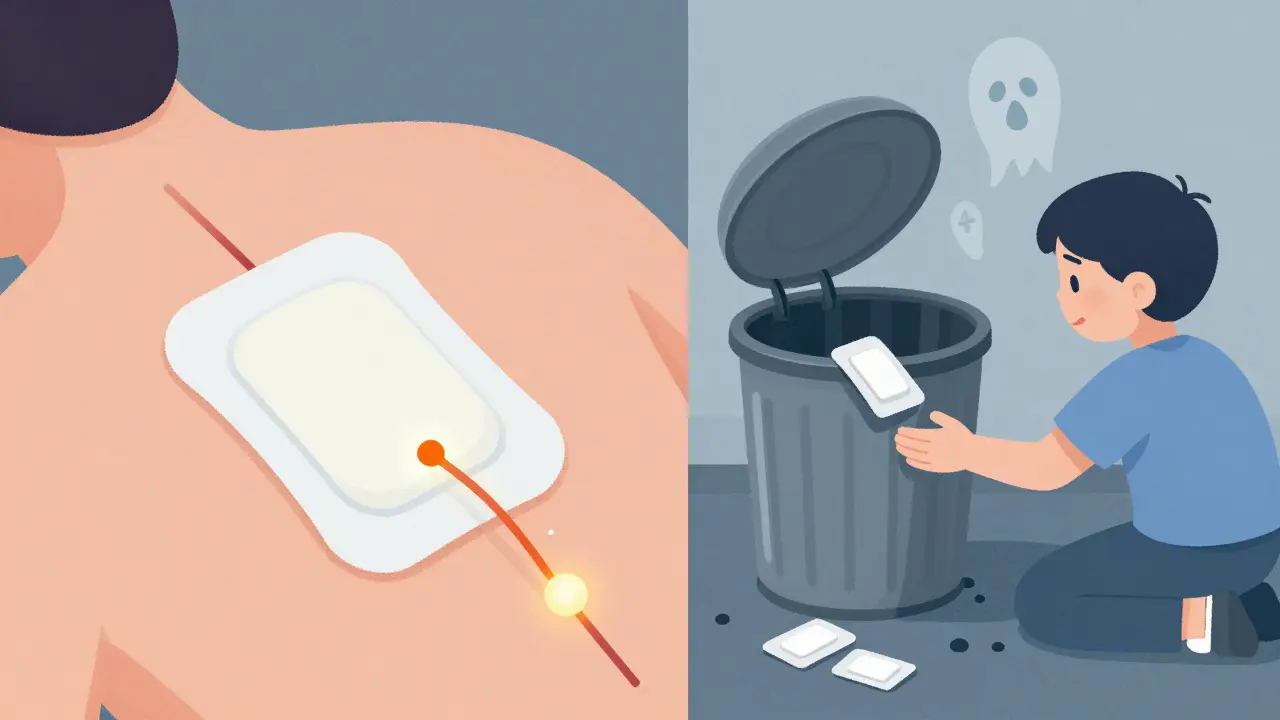
Fentanyl Patch Side Effects: Overdose and Withdrawal Risks
Fentanyl patches are powerful painkillers with serious overdose and withdrawal risks. Learn the signs of overdose, why sudden withdrawal is dangerous, and how to use them safely.
Fentanyl patches are powerful painkillers with serious overdose and withdrawal risks. Learn the signs of overdose, why sudden withdrawal is dangerous, and how to use them safely.
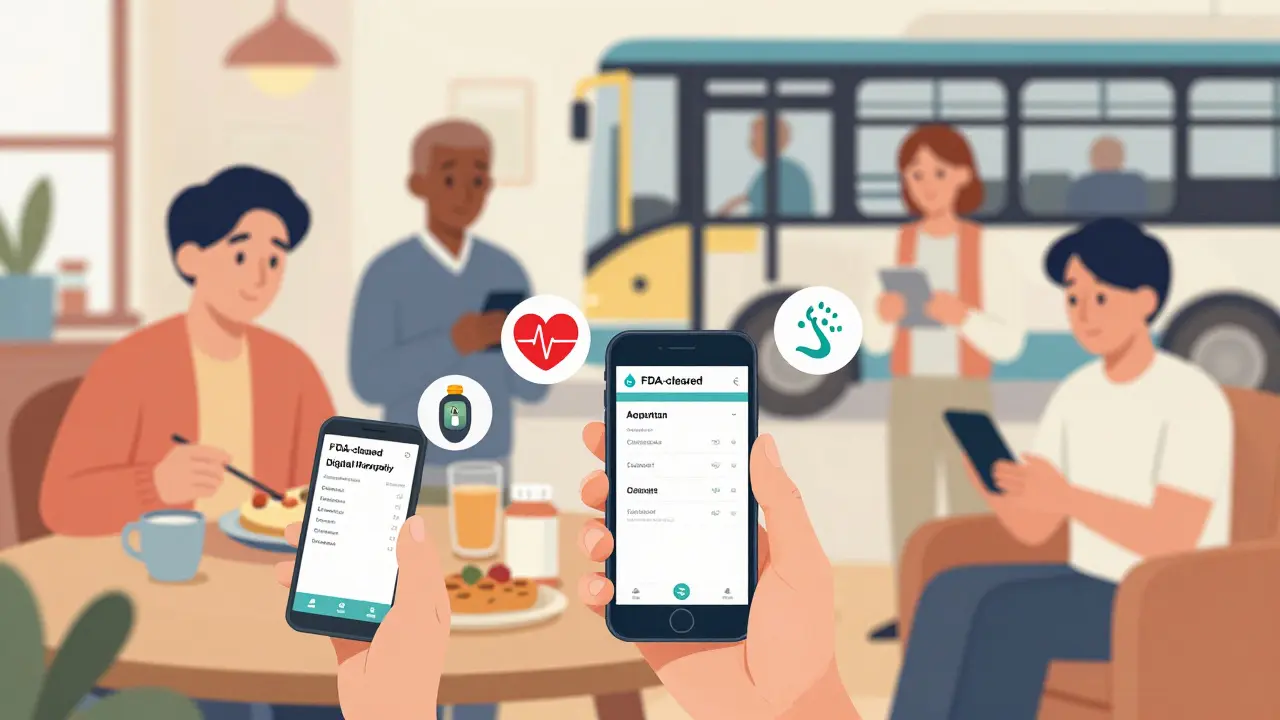
Digital therapeutics are FDA-cleared apps that help patients take medications correctly. Learn how they improve adherence, interact with drugs, and what you need to know in 2026.
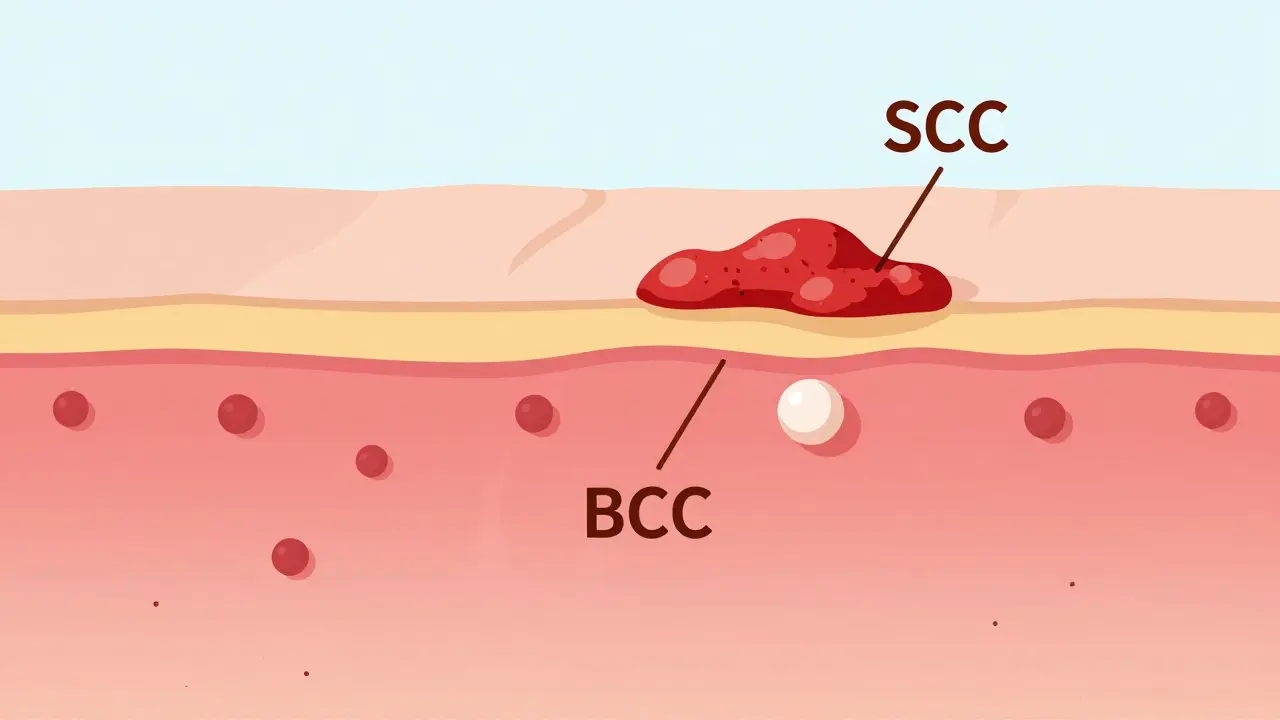
Basal and squamous cell carcinomas are the most common skin cancers. Learn how they differ in appearance, growth, risk, and treatment - and why SCC requires more urgent attention.
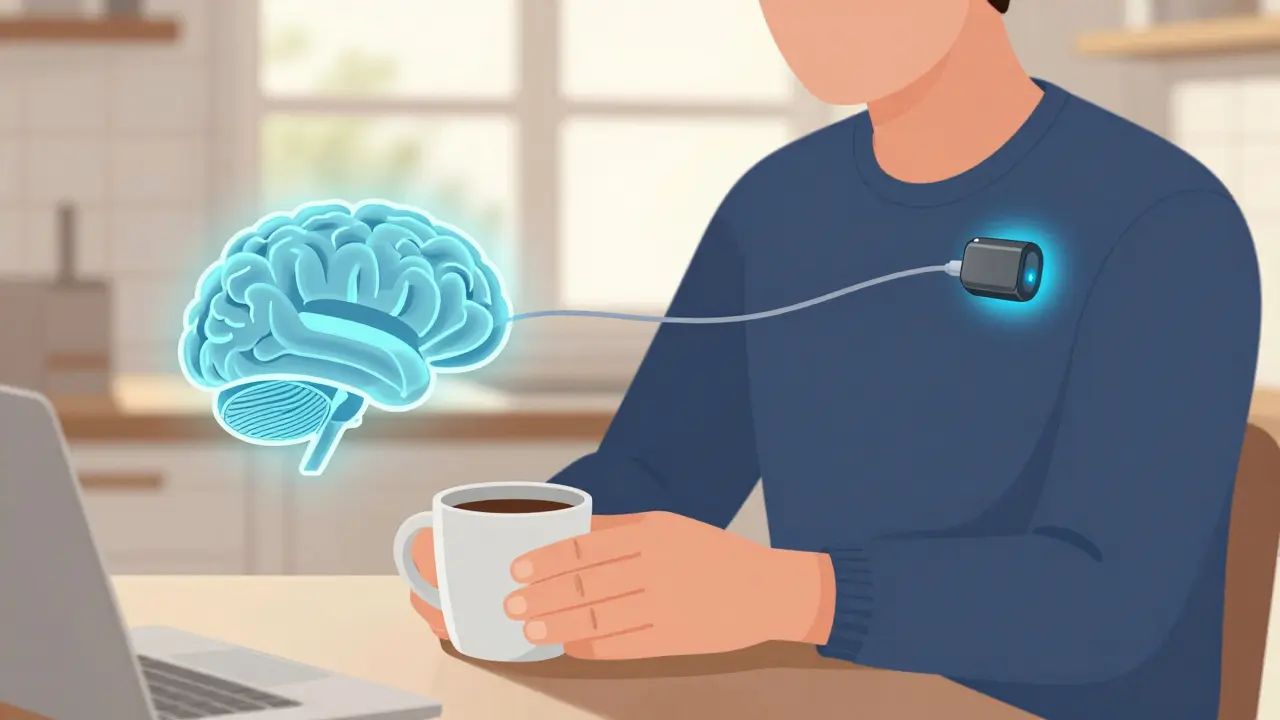
Deep Brain Stimulation (DBS) can dramatically improve motor symptoms in Parkinson’s patients who respond to levodopa. Learn who qualifies, how it works, the real risks and benefits, and why so many eligible patients never get it.
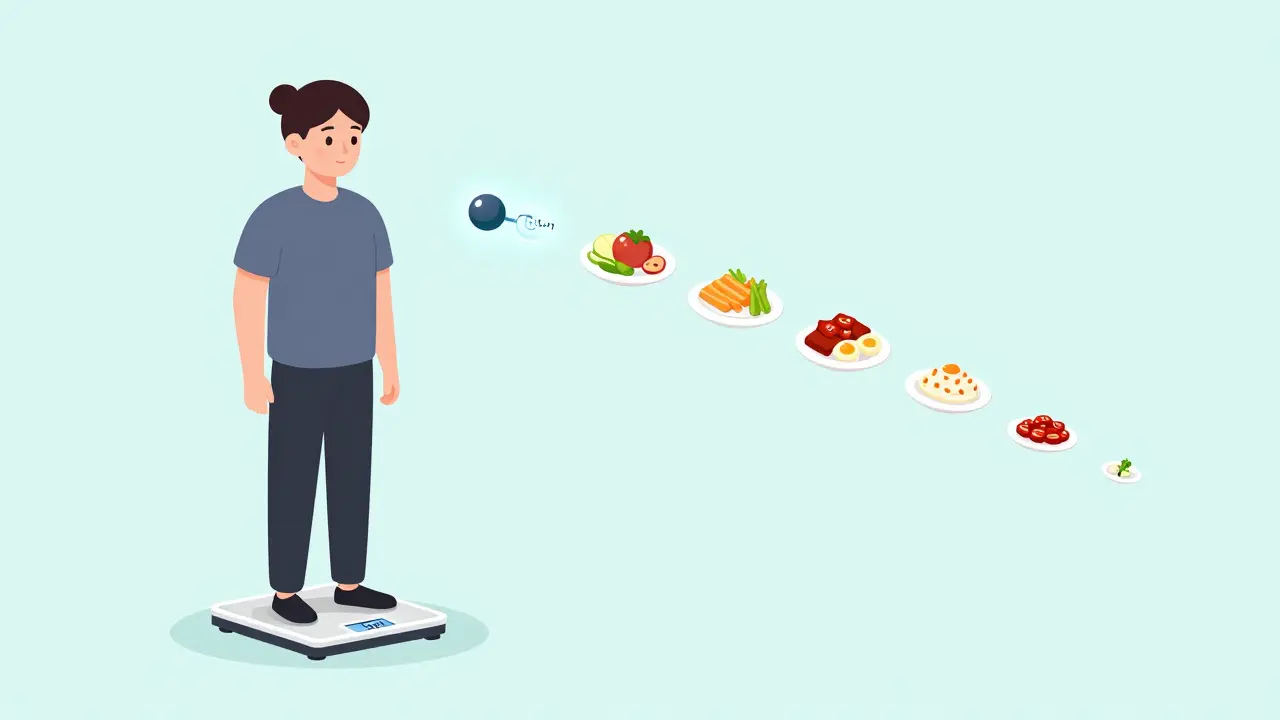
GLP-1 agonists like Wegovy and Zepbound offer significant weight loss - up to 20% of body weight - but come with side effects like nausea, high cost, and long-term dependency. Learn how they work, what to expect, and if they're right for you.
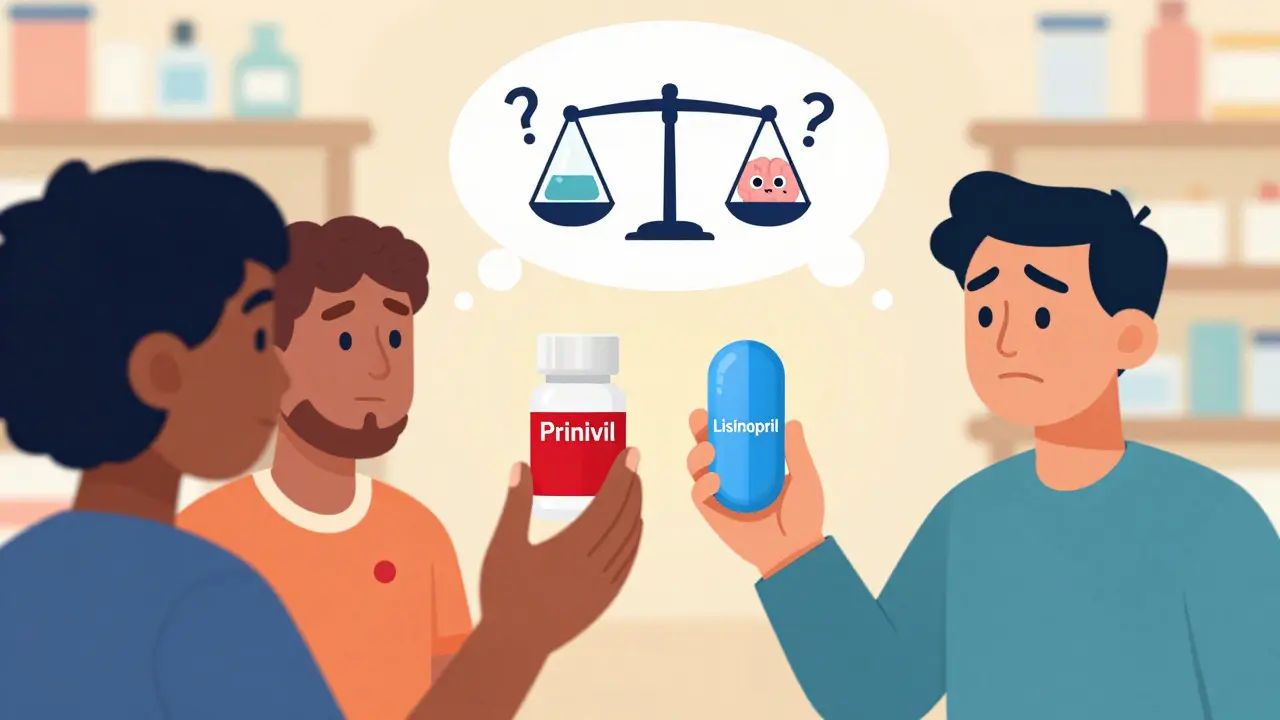
Despite being scientifically equivalent, many patients report dissatisfaction with generic medications due to perception, packaging changes, and lack of provider communication. Understanding how satisfaction is measured reveals why adherence suffers - and how to fix it.
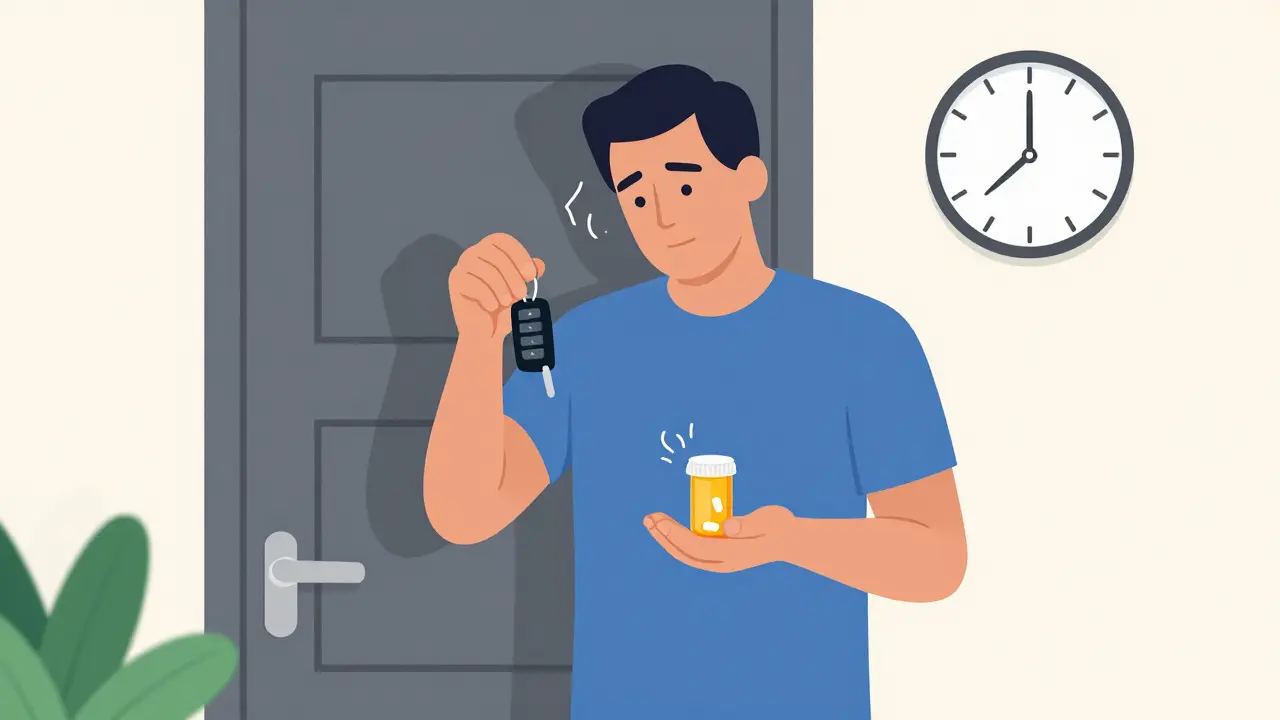
Medication adherence isn't about taking every pill perfectly-it's about balancing health benefits with real-life quality of life. Learn why 80% adherence is the new standard, how side effects drive non-adherence, and what actually works to keep people on track without sacrificing their daily life.
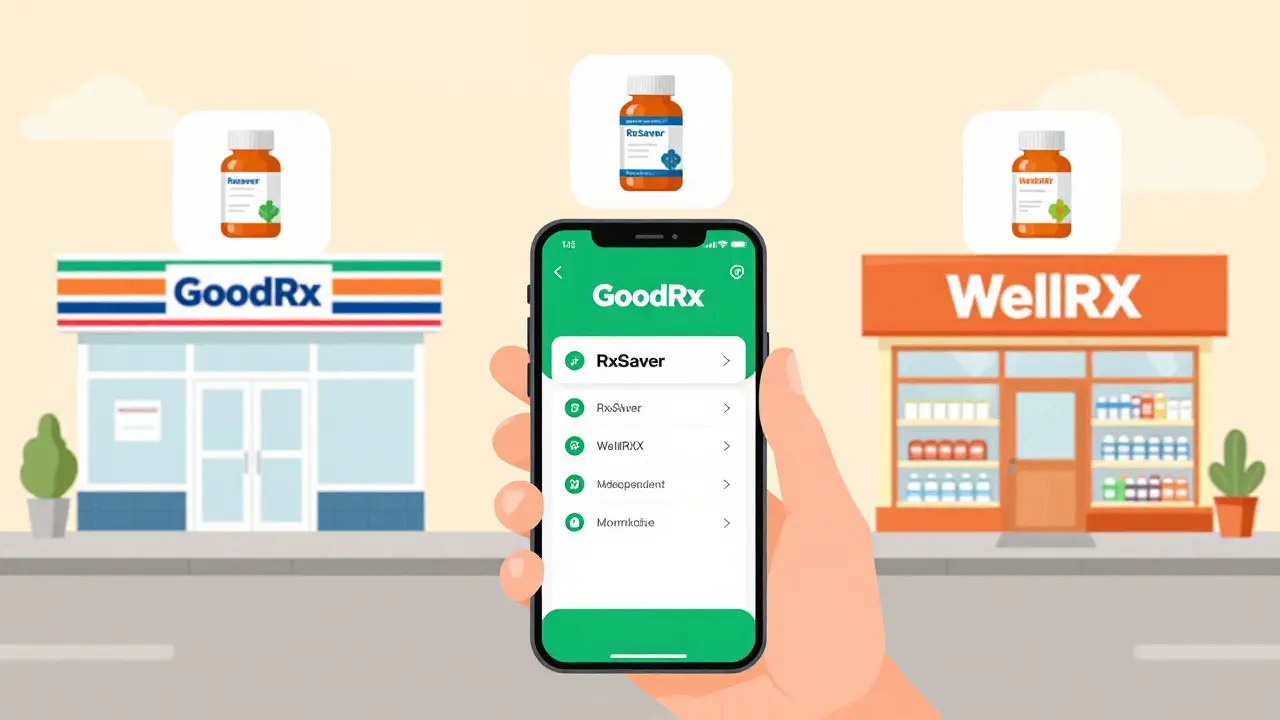
Learn how to find the lowest cash price for medications by comparing pharmacy discounts, using tools like GoodRx, and asking the right questions. Save hundreds a year on generics without insurance.
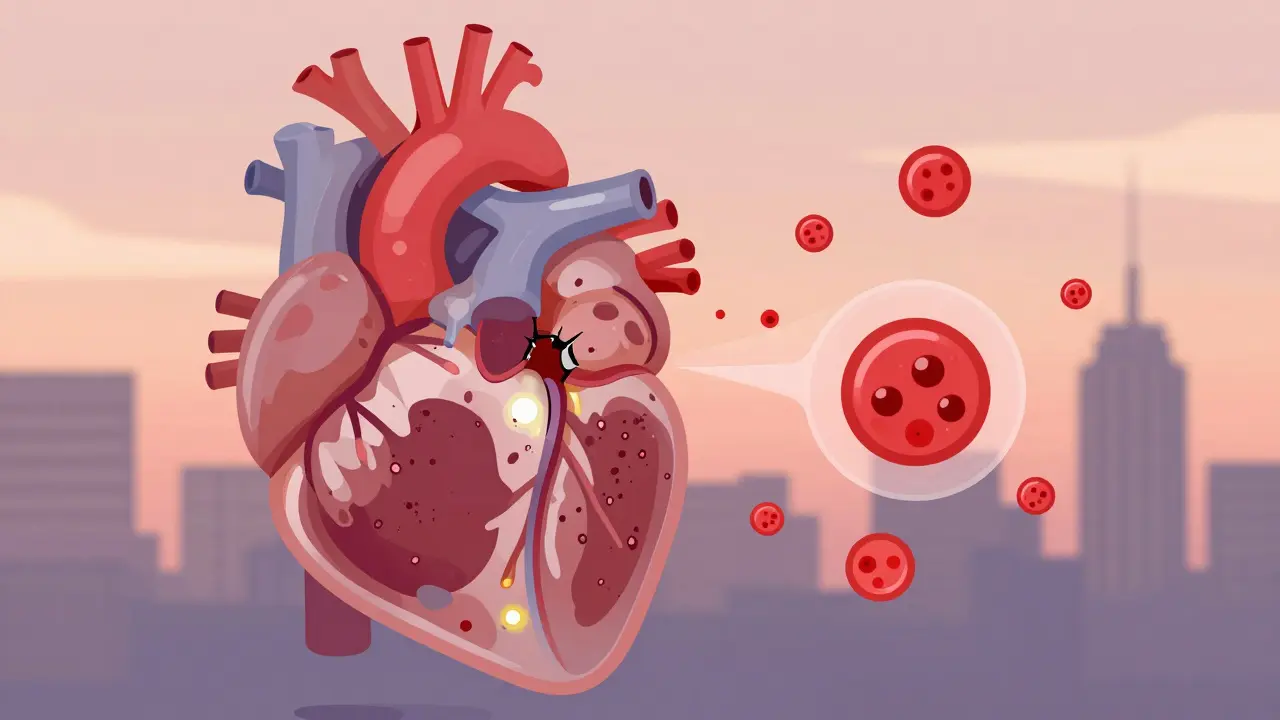
Coronary artery disease, caused by atherosclerosis, is the world’s leading cause of death. Learn how plaque forms, who’s at highest risk, and what treatments actually work-from lifestyle changes to stents and bypass surgery.
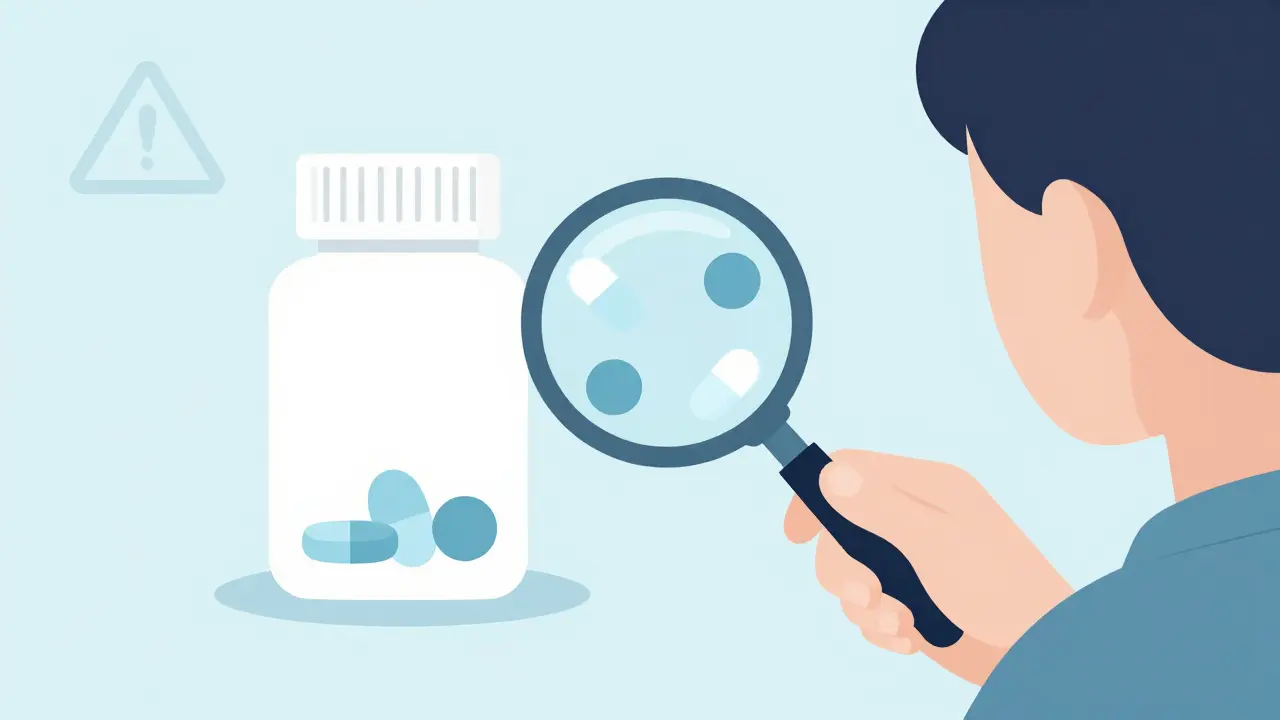
Switching to generics is usually safe, but some medications cause serious side effects. Learn which drugs are risky, symptoms to watch for, and steps to protect yourself. FDA data shows higher hospitalization risk for certain drugs after switching.