Generic Medication Side Effects: When to Worry and How to Stay Safe
 Feb, 4 2026
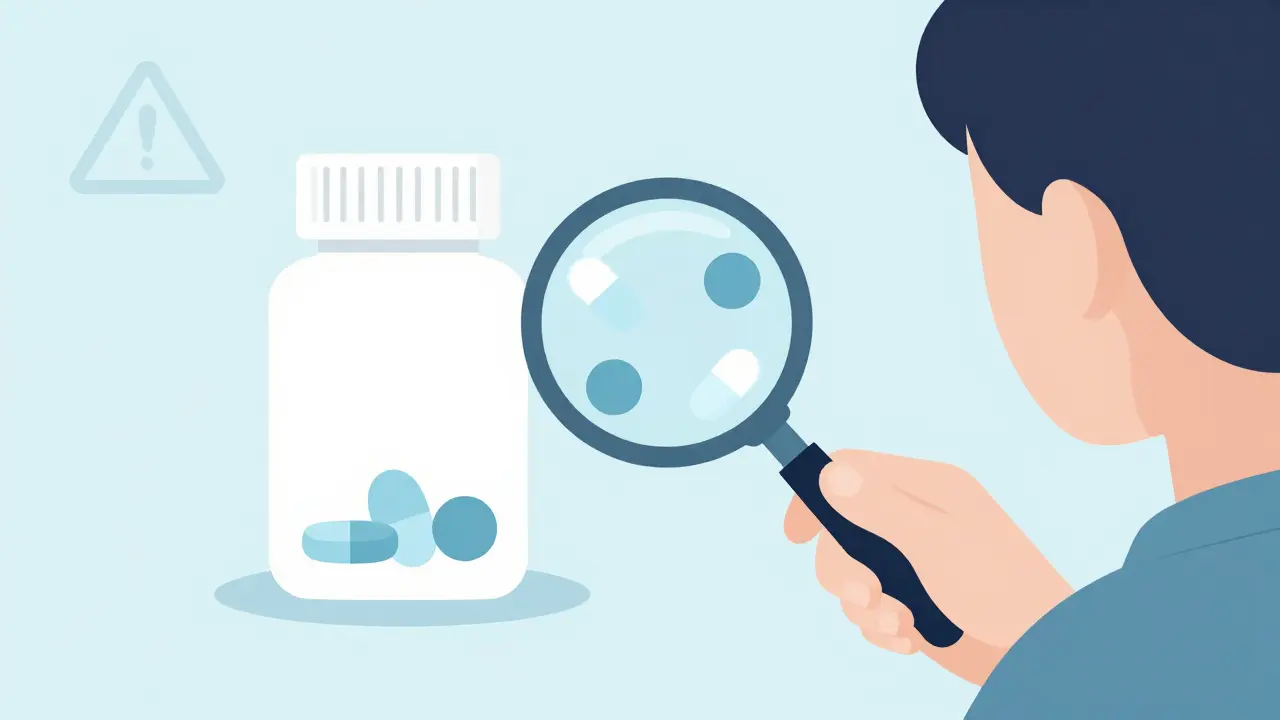
Most people switch to generic medications without any issues. But for some, the switch can trigger unexpected side effects that feel like the medication isn't working right or even cause new problems. The FDA says generics are just as safe and effective as brand-name drugs, yet real-world experiences from patients and doctors tell a different story. Let's look at when you should worry and what to do.
What Makes Some Generics Risky?
The FDA requires generic drugs to have the same active ingredients and meet bioequivalence standards. This means they must deliver 80-125% of the brand-name drug's effect in the body. But here's the catch: this range allows for up to 20% variation in how quickly the drug gets absorbed. For most medications, this small difference doesn't matter. However, for drugs with a narrow therapeutic index (NTI), even tiny changes can be dangerous. These drugs have a very small window between a safe dose and a toxic one. If the drug level drops too low, treatment fails; if it rises too high, you risk poisoning. That's why switching between generics of NTI drugs can be risky.
Top Drug Classes to Watch
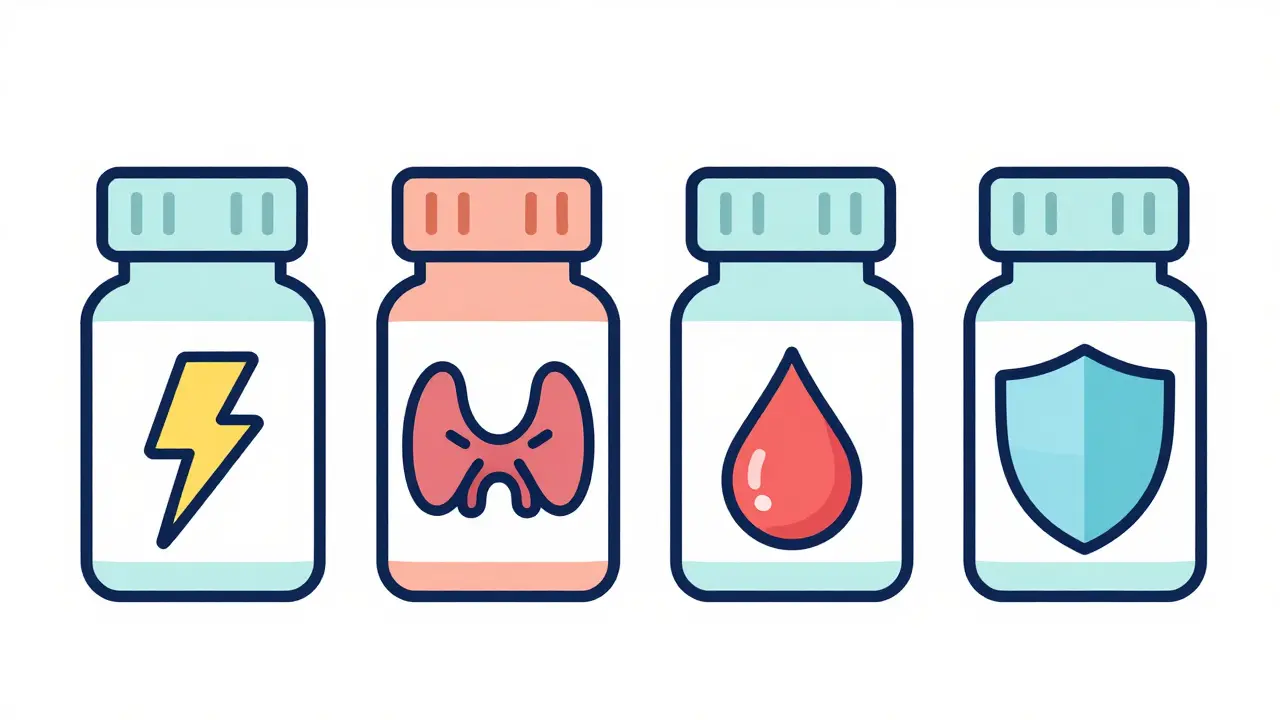
| Drug Class | Switching Risks | Common Symptoms |
|---|---|---|
| Antiepileptics | High | Seizure recurrence, increased frequency |
| Thyroid medications (levothyroxine) | High | Fatigue, weight changes, heart palpitations |
| Anticoagulants (warfarin) | High | Bleeding, bruising, blood clots |
| Immunosuppressants (tacrolimus) | High | Organ rejection, infections |
| ADHD medications (Adderall XR) | Medium-High | Return of symptoms, anxiety, insomnia |
For example, levothyroxine treats thyroid conditions. Even a small change in dosage can throw off your metabolism. A 2022 study found that 25% of patients switching between different levothyroxine generics needed dose adjustments within weeks. Warfarin, a blood thinner, is even trickier. A 10% shift in blood levels could mean dangerous bleeding or clots. Tacrolimus, used after organ transplants, has a 15% higher rejection risk when switched between generics. And for ADHD meds like Adderall XR, manufacturers use different bead-release systems. Patients often report symptoms returning within hours of a new refill.
Symptoms to Watch For
If you notice sudden changes after a generic switch, don't ignore them. For thyroid meds, watch for unexplained fatigue, weight gain or loss, or heart palpitations. With antiepileptics, breakthrough seizures or more frequent seizures are red flags. Warfarin users should check for unusual bruising, nosebleeds, or dark urine. Immunosuppressant patients might get fevers, infections, or organ pain. ADHD meds can cause mood swings, insomnia, or loss of focus. A 2023 hospital study found 67% of patients recognized medications by color or shape alone. When those changed, 11.5% accidentally took duplicate meds-leading to serotonin syndrome in one case.
How to Protect Yourself
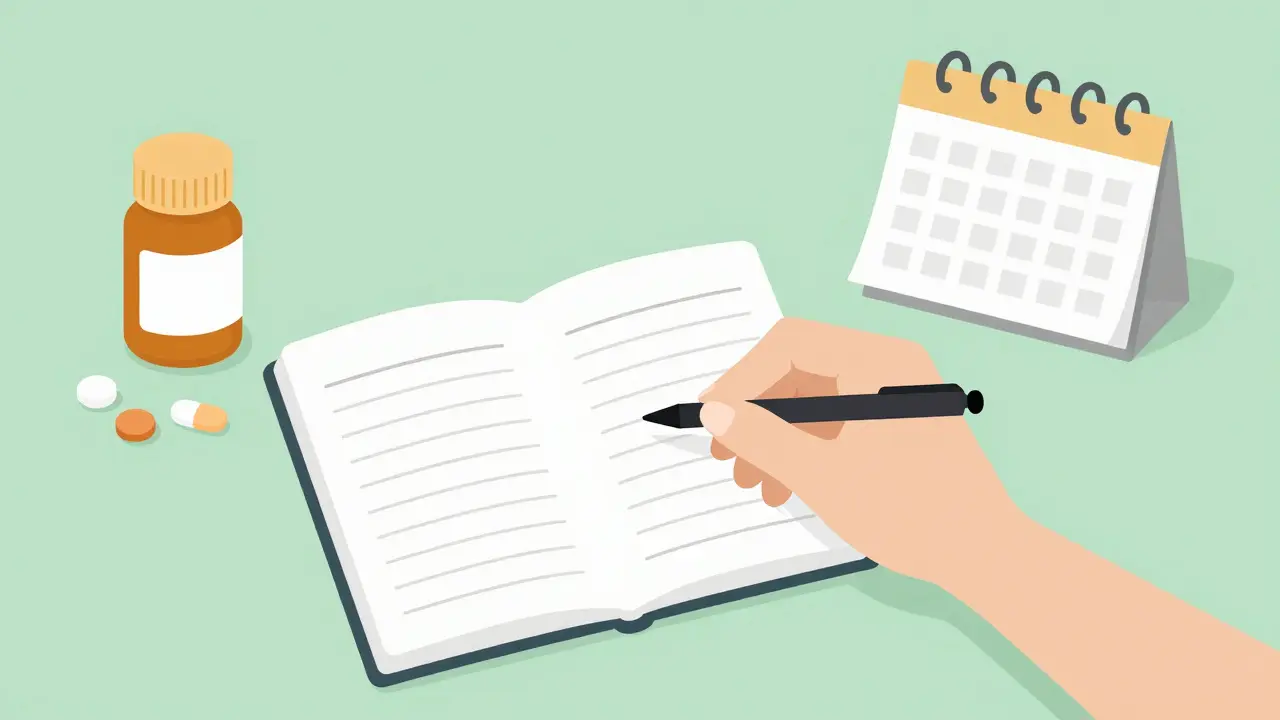
Take control of your medication. Always check the manufacturer name on your prescription label. The NDC code (a 10-digit number) shows who made it. Ask your pharmacist: "Which company made this batch?" For high-risk drugs, request "dispense as written" (DAW-1) on your prescription. This blocks automatic substitutions. Keep a symptom log: note when you refill, the manufacturer, and any new side effects. A 2021 study showed patients who got pharmacist counseling were 37% less likely to have problems. If you feel off after a switch, contact your doctor immediately. They might switch you to a specific brand or generic manufacturer.
Why Switches Happen
Behind the scenes, pharmacy benefit managers (PBMs) like CVS Caremark and Express Scripts drive most switches. They operate on rebate systems-pharmacies get paid more to stock certain generics. A Senate committee found PBMs change preferred manufacturers 4.7 times a year per drug. For levothyroxine, 12 different manufacturers compete for these rebates. This means your prescription might switch from one generic to another every few months. A 2023 IQVIA report showed 89% of cardiovascular drug prescriptions switch manufacturers. Even if your doctor prescribes a specific brand, PBMs can override it to save costs. This instability is why patients report "mystery side effects" they can't explain.
What's Changing in Regulations
Pressure is building for change. The FDA launched its Complex Generic Products Initiative in 2020 to improve testing for tricky drugs like inhalers and topical creams. In 2023, Medicare Part D limited generic switches to twice a year, cutting related hospitalizations by 31%. The American Society of Health-System Pharmacists now advises against automatic substitution for 17 specific drugs, including phenytoin and bupropion XL. A 2024 study found CYP2D6 poor metabolizers have a 4.2-fold higher risk of treatment failure when switching antidepressants. These changes come as hospitals report $2.1 billion in preventable costs from switching errors. While generics save $165 billion yearly, the focus is shifting to safer switches for high-risk patients.
Should I be worried if my generic medication looks different?
It's normal for generics to look different in color or shape. However, if you notice changes in effectiveness or new side effects after a refill, contact your doctor immediately. Check the manufacturer name on the prescription label to see if it changed. For high-risk drugs like levothyroxine or warfarin, always ask your pharmacist which company made it.
Which medications are most likely to cause problems when switched?
Antiepileptics, thyroid medications like levothyroxine, blood thinners like warfarin, immunosuppressants like tacrolimus, and ADHD drugs like Adderall XR are top concerns. These have narrow therapeutic indexes where tiny dose changes matter. The FDA and medical groups warn that switching these can lead to treatment failure or toxicity. Always confirm with your doctor if your prescription falls into these categories.
How can I check which manufacturer made my generic?
Look at the prescription label for the NDC code-a 10-digit number. The first segment identifies the manufacturer. Ask your pharmacist: "Which company produced this batch?" Some pharmacies have apps showing manufacturer details. For high-risk drugs, keep a note of this info each time you refill. If it changes unexpectedly, that's your signal to check in with your doctor.
What should I do if I experience side effects after switching?
Contact your doctor right away. Describe exactly what you're feeling and when it started. Keep a symptom log: date, time, dosage, and manufacturer. Your doctor might switch you back to a previous version or request a specific generic manufacturer. For critical drugs like warfarin, they'll likely order blood tests to check levels. Never stop taking medication without consulting your doctor.
Are there laws to prevent frequent switching?
Some states require doctors to write "dispense as written" (DAW-1) for high-risk drugs, blocking automatic substitutions. Medicare Part D now limits manufacturer changes to twice a year. However, PBMs still drive most switches through rebates. The 2022 Enhancing Review of Generic Drug Equivalence Act aims to tighten testing for complex generics, but implementation is slow. Until then, advocate for yourself: ask your pharmacist about the manufacturer and request consistency for high-risk medications.
Dina Santorelli
February 6, 2026 AT 12:54I've been switching generics for years. Every time it's a new disaster. My doctor doesn't care. They just want to save money. I'm tired of being a guinea pig. It's not safe. The FDA is lying. I've had seizures because of this. Now I'm stuck with high costs for brand names. Why can't they just fix this? It's all about profits. I'm done.
Samantha Beye
February 7, 2026 AT 21:18It's important to check the manufacturer and talk to your pharmacist. Small changes can make a big difference. Stay proactive for your health. Knowledge is power.
Danielle Vila
February 8, 2026 AT 15:52Did you know the FDA is in bed with Big Pharma?
They're letting these generics slide because they're getting kickbacks.
Every time they change the manufacturer, it's a setup.
They know the differences but don't care.
I've seen people end up in the hospital.
It's all about money.
The system is rigged.
They don't care about patients.
The real truth is that these companies are cutting corners.
You think the FDA is protecting you? Think again.
It's all a scam.
I've done my research.
This is why I refuse to take generics.
I'll pay for brand name even if it's expensive.
They're poisoning us slowly.
The government doesn't care.
Wake up people!
Gregory Rodriguez
February 10, 2026 AT 06:23Sure, 'stay proactive'-like that's going to help when your pharmacy randomly switches your meds without telling you. I've had to call my doctor three times just to get the same generic. The system is broken. But hey, at least we can 'stay proactive' while they screw us over. #Optimist
Arjun Paul
February 12, 2026 AT 02:34Paranoid nonsense. The FDA has strict guidelines. If you're having issues, it's probably due to non-compliance or other health factors. Stop spreading misinformation. Educate yourself properly before making claims.
Bella Cullen
February 14, 2026 AT 00:38Check the NDC code. Do it.
Jenna Elliott
February 14, 2026 AT 11:14US generics are perfect. If you have problems you're doing it wrong. Stop complaining. America makes the best meds. Trust the system. No issues here. Everyone else is just weak
Sam Salameh
February 15, 2026 AT 13:46Hey, US generics are great. No problems at all. Trust me! Always check the label. It's easy to stay safe.
anjar maike
February 17, 2026 AT 09:26This is concerning. 🤔 Manufacturers matter. Need to check labels. 🌟