Lithium Interactions: What You Need to Know About Drug and Supplement Risks
When you take lithium, a mood-stabilizing medication primarily used for bipolar disorder. Also known as lithium carbonate, it works by balancing brain chemicals—but even small changes in your body can turn it from helpful to harmful. Unlike most drugs, lithium has a very narrow safety window. That means the dose that helps you is barely below the dose that can poison you. And it doesn’t take much to push you over that line.
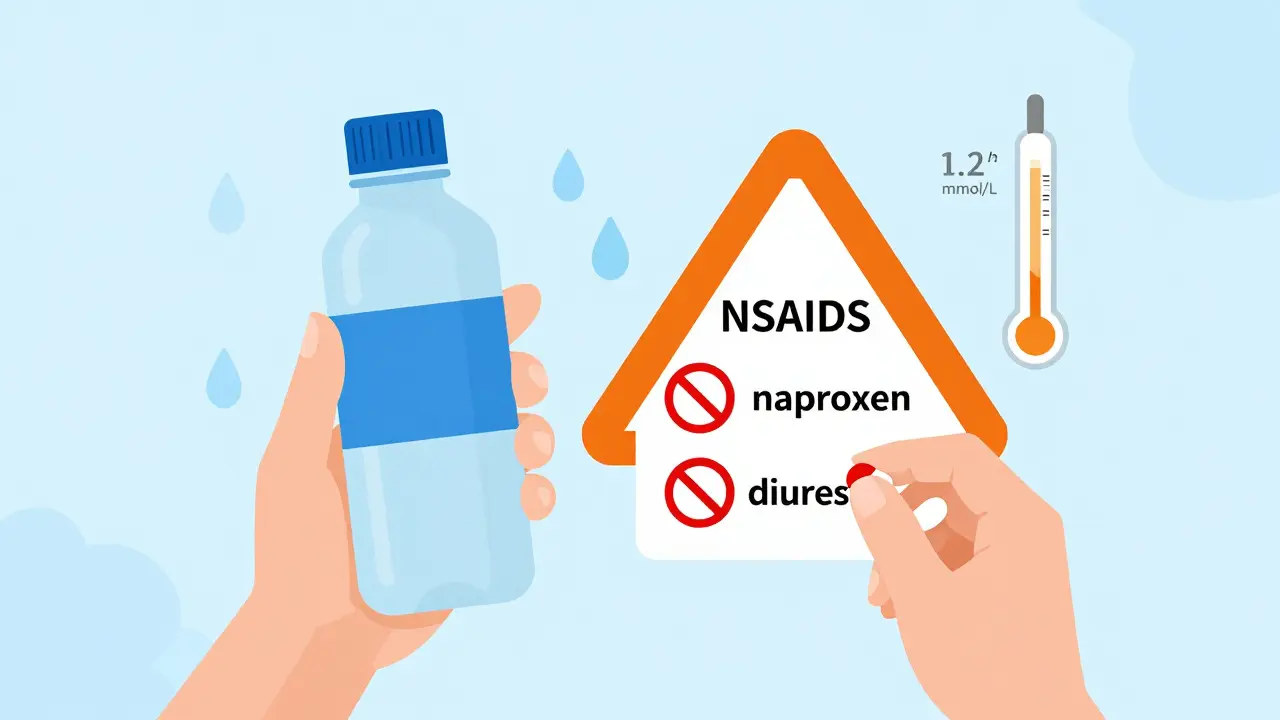
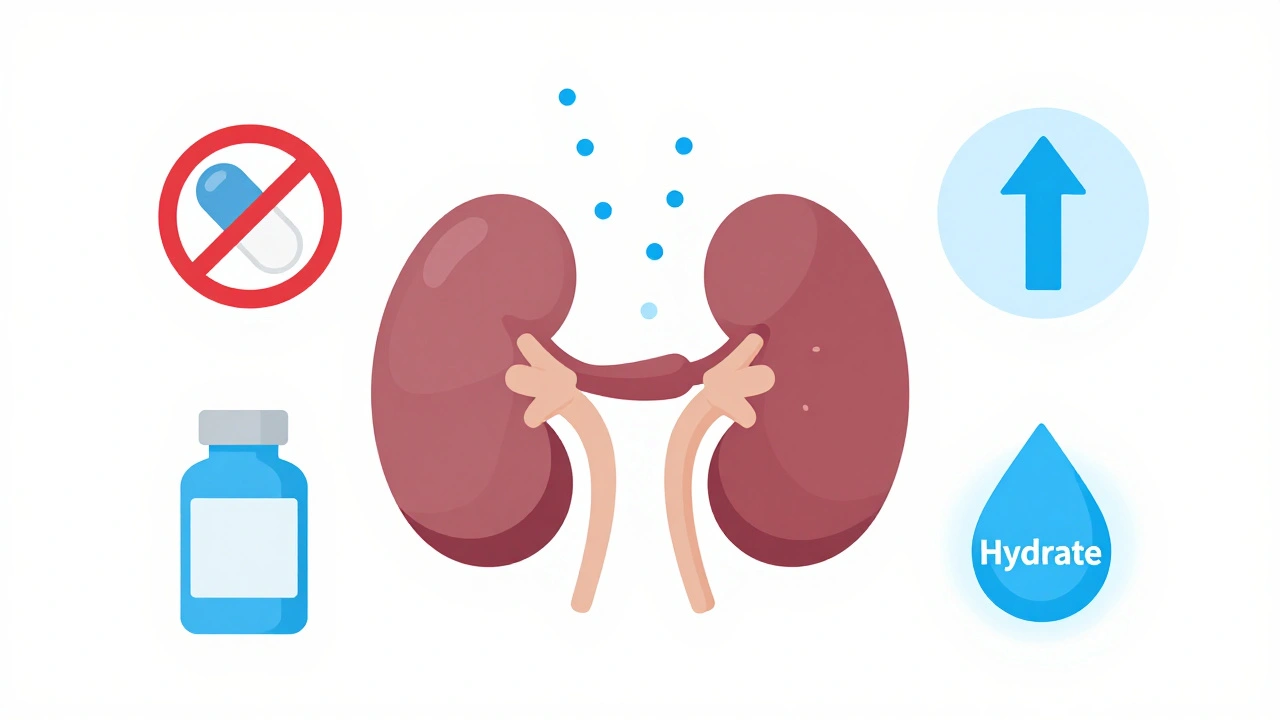
Many common medications and supplements interact with lithium, a mood-stabilizing medication primarily used for bipolar disorder. NSAIDs, nonsteroidal anti-inflammatory drugs like ibuprofen and naproxen are a big one. They reduce kidney function just enough to make your body hold onto lithium longer, raising blood levels dangerously. Even a few days of Advil can trigger symptoms like tremors, confusion, or nausea. Diuretics, water pills often prescribed for high blood pressure do the same thing—lower sodium levels, which tricks your kidneys into reabsorbing more lithium. And if you’re on thyroid medication, like levothyroxine, used to treat underactive thyroid, lithium can mess with your thyroid function, making you feel tired, cold, or gain weight even if your dose is right.
It’s not just pills. Salt intake, how much sodium you eat daily matters more than you think. Cut back on salty food, go on a low-sodium diet, or sweat a lot during exercise without replacing fluids, and your lithium levels can spike. Drink too much water, and you might flush out too much sodium, which again causes your body to hang onto lithium. Both extremes are risky. That’s why regular blood tests aren’t optional—they’re life-saving. Most people on lithium need their levels checked every 3 to 6 months, or anytime they start or stop another drug.
You might not realize how many everyday things affect lithium. Caffeine? Too much can lower lithium levels, making your mood swings worse. Alcohol? It dehydrates you and can trigger toxicity. Even some herbal supplements like St. John’s wort or ginkgo biloba can interfere. And if you’re sick with vomiting or diarrhea, your body can’t process lithium the same way. That’s when you need to call your doctor—don’t wait for symptoms to get bad.
What you’ll find in the posts below are real, practical stories and science-backed warnings about how lithium plays with other drugs, supplements, and even your diet. You’ll see how people caught dangerous interactions before it was too late, what labs to track, and which meds are safest to use alongside it. This isn’t theory—it’s what happens in real life when people don’t know the risks. And if you’re on lithium, or care for someone who is, this is the kind of info that keeps you out of the ER.