PPIs: What They Are, How They Work, and What You Need to Know
When you hear PPIs, proton pump inhibitors are medications that block acid production in the stomach. Also known as proton pump inhibitors, they’re among the most prescribed drugs in the world — used for heartburn, GERD, ulcers, and even as part of treatment for H. pylori infections. But just because they’re common doesn’t mean they’re risk-free. Many people take them for months or years without realizing the long-term effects.
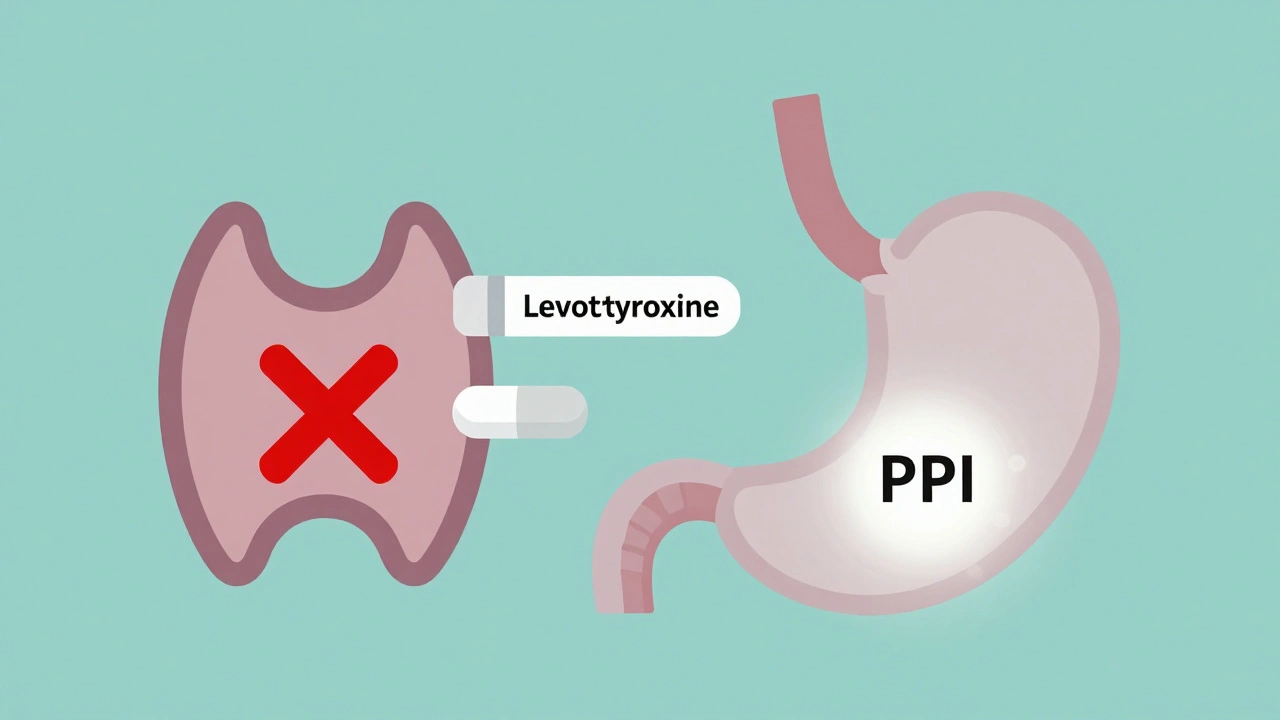
PPIs work by targeting the proton pumps in your stomach lining — the tiny engines that produce acid. Unlike antacids that neutralize acid after it’s made, PPIs stop the acid from being made in the first place. That’s why they work so well. But your stomach needs some acid to digest food, kill bacteria, and absorb nutrients like calcium, magnesium, and vitamin B12. Long-term use can mess with all of that. Studies show people on PPIs for more than a year have higher risks of bone fractures, kidney problems, and even certain gut infections. It’s not a simple trade-off.
And here’s the thing: most people don’t need PPIs long-term. A lot of heartburn is caused by diet, weight, or lifestyle — not a broken stomach. Some folks take them because their doctor prescribed them years ago and never checked back in. Others use them to avoid the discomfort of stopping. But reducing or stopping PPIs is often possible — and safer — with the right plan. Rebound acid hypersecretion is real: when you quit suddenly, your stomach can overproduce acid for weeks. That’s why tapering matters.
There are alternatives. H2 blockers like famotidine work differently and are often safer for short-term use. Lifestyle changes — like avoiding late meals, cutting caffeine, and losing weight — can cut acid reflux by half in many cases. Even simple posture adjustments after eating help. And if you’re on PPIs because of NSAID use or an ulcer, there are ways to manage that without staying on acid blockers forever.
Below, you’ll find real-world insights from people who’ve dealt with PPIs — how they interact with other meds, what side effects actually show up in daily life, and how to tell if you’re still even needing them. You’ll see how they connect to things like bone health, kidney function, and even nutrient absorption. These aren’t theoretical concerns. They’re the kinds of issues people face when they take these drugs without knowing the full picture.