OTC Drugs: What You Need to Know About Safety, Interactions, and Common Mistakes
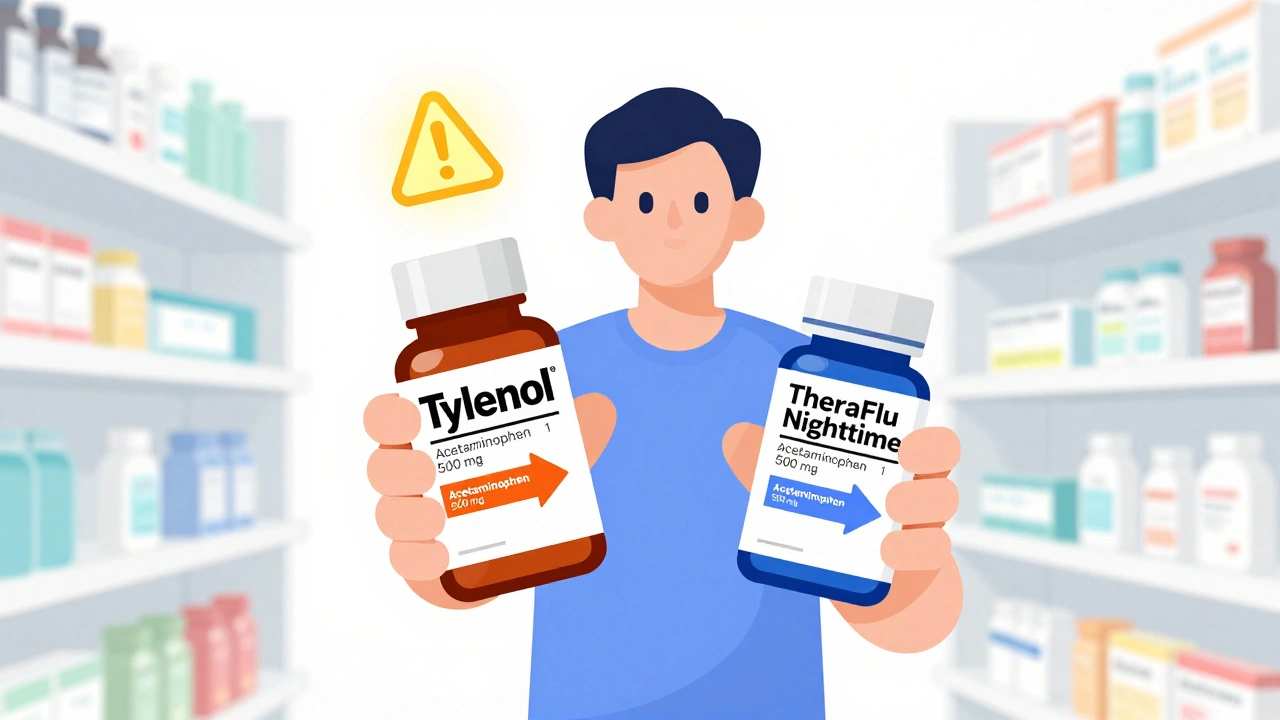
When you pick up an OTC drug, a medication sold without a prescription that’s meant for self-treatment of minor conditions. Also known as over-the-counter medications, these are the pills and liquids you grab without a doctor’s note—pain relievers, allergy meds, sleep aids, and stomach remedies. But just because they’re easy to buy doesn’t mean they’re safe to use without thought. Millions of people take OTC drugs every day without a second thought, but many don’t realize how deeply these simple pills can interfere with prescription meds, supplements, or even their own health conditions.
Take NSAIDs, a class of pain relievers like ibuprofen and naproxen commonly found in OTC products. They’re in everything from Advil to store-brand headache pills. But if you’re on a blood thinner like warfarin or apixaban, combining them can lead to dangerous bleeding—something real patients have experienced in emergency rooms. Or consider calcium-fortified juices, a popular breakfast choice that can block absorption of thyroid meds, antibiotics, and other critical drugs. You might think orange juice is healthy, but if you’re taking levothyroxine, that glass could be undoing your treatment. Even something as simple as antihistamines, common in allergy and cold meds like Benadryl or Zyrtec, becomes risky when mixed with alcohol. The drowsiness isn’t just annoying—it can make driving or operating machinery unsafe.
These aren’t edge cases. They’re everyday mistakes. People don’t realize that OTC drugs aren’t harmless—they’re active chemicals with real effects on the body. And when you’re taking multiple meds, even the ones you didn’t get from a doctor, the risk multiplies. That’s why monitoring your health after switching to generics, checking for interactions with supplements like garlic or kava, and understanding how PPIs affect thyroid absorption all tie back to the same thing: treating OTC drugs like the powerful tools they are.
Below, you’ll find clear, no-fluff guides on what to avoid, what to watch for, and how to use common OTC products without putting your health at risk. From how to prevent medication errors at home to why mixing cold meds can be deadly, these posts give you the facts you need to make smarter choices—without a pharmacy visit.