Naloxegol: What It Is, How It Works, and What You Need to Know
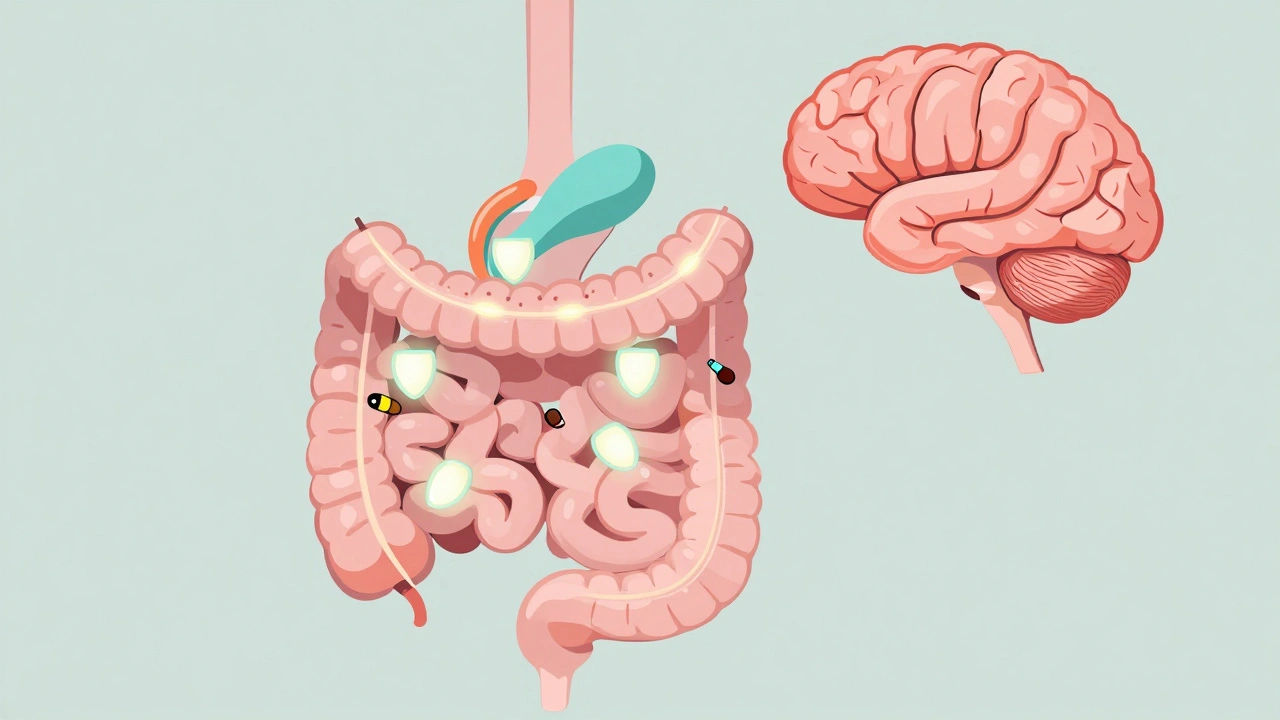
When you're taking opioids for chronic pain, constipation often comes along as an unwanted side effect. That’s where naloxegol, a once-daily oral medication designed to treat opioid-induced constipation without reducing pain relief. Also known as a peripherally acting mu-opioid receptor antagonist, it works in the gut to block the constipating effects of opioids while leaving their painkilling action in the brain untouched. Unlike traditional laxatives that just stimulate bowel movements, naloxegol targets the root cause: opioids slowing down your digestive system.
It’s not for everyone. If you’re on strong pain meds like oxycodone, hydrocodone, or morphine and still struggling with bowel movements despite trying fiber, water, or over-the-counter stool softeners, naloxegol might be your next step. But it doesn’t work if you have a bowel obstruction or severe stomach problems. And it can interact with other drugs—especially strong CYP3A4 inhibitors like ketoconazole or grapefruit juice—which can raise naloxegol levels and increase side effects like abdominal pain or diarrhea. People on multiple medications should talk to their pharmacist before starting it.
Many patients notice improvement within a few days, but it takes consistent use to keep things regular. It’s not a quick fix like a laxative you take on demand—it’s a daily tool for managing a long-term issue. Side effects are usually mild, but if you get sharp stomach pain, vomiting, or signs of an allergic reaction, stop taking it and call your doctor right away. It’s also not approved for use in kids or for constipation caused by anything other than opioids.
What you’ll find in the posts below are real-world insights from people managing complex medication regimens. You’ll read about how other drugs like proton pump inhibitors or calcium-fortified juices can interfere with absorption, how generic switches affect outcomes, and why monitoring your body’s response matters more than just taking the pill. There’s also deep dives into drug interactions, safety checks, and what to do when standard treatments fail. These aren’t theory pages—they’re practical guides written for people who need to make sense of their meds, not just follow a script.