Naldemedine: What It Is, How It Works, and Key Drug Interactions to Know
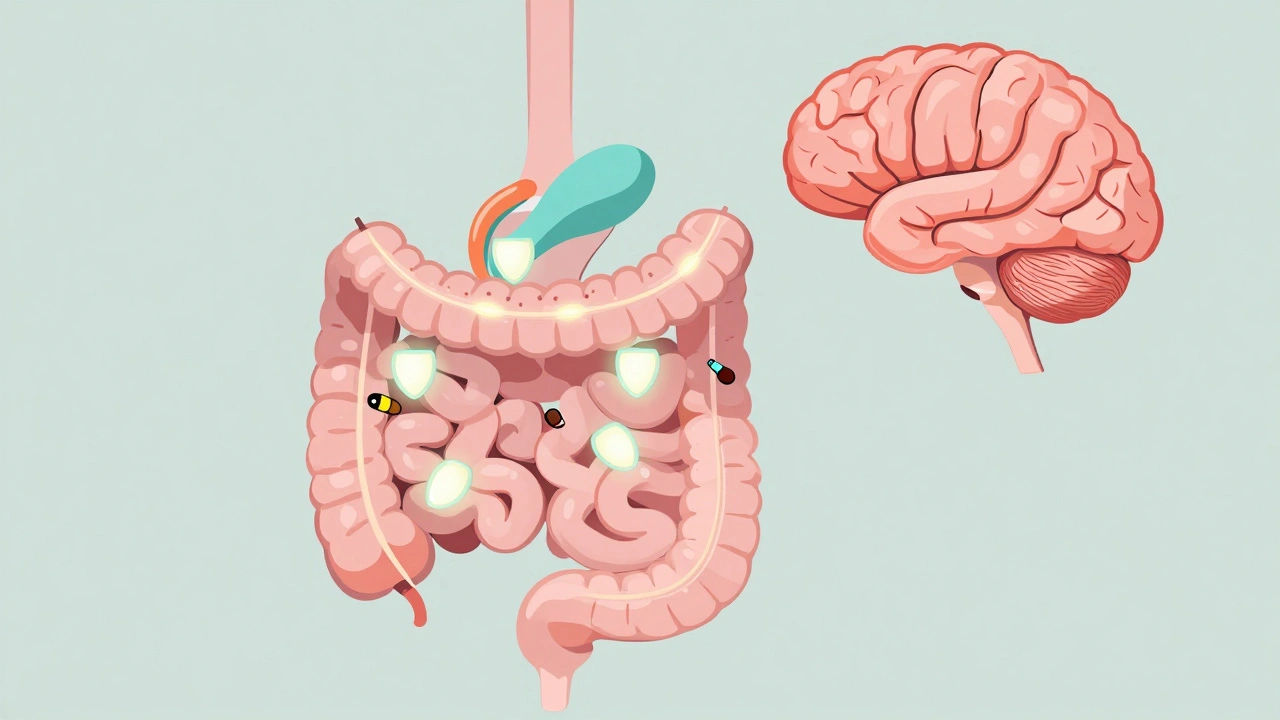
When you’re taking opioids for chronic pain, naldemedine, a prescription medication designed to block opioid effects in the gut without reducing pain relief. It’s not a laxative—it’s a selective antagonist that targets opioid receptors in the intestines, helping restore normal bowel movements. Unlike older treatments that just soften stool, naldemedine works at the source: the same receptors opioids bind to, but only in your digestive tract. That’s why it doesn’t interfere with pain control, even though it fights the constipation opioids cause.
People who take long-term opioids—like oxycodone, hydrocodone, or morphine—often struggle with constipation that doesn’t respond to fiber, water, or over-the-counter laxatives. That’s where naldemedine steps in. It’s meant for adults with opioid-induced constipation, a common and often debilitating side effect of chronic opioid therapy. Studies show it increases spontaneous bowel movements by about 50% compared to placebo, with results noticeable within days. But it’s not for everyone. If you have a blockage in your gut, a history of bowel surgery, or severe abdominal pain, your doctor won’t prescribe it.
What makes naldemedine tricky isn’t just what it does—but what it can’t mix with. Because it works on opioid receptors, combining it with other drugs that affect gut motility can cause problems. For example, if you’re already taking methylnaltrexone, another opioid antagonist used for constipation, adding naldemedine doesn’t help—it just raises your risk of diarrhea and cramping. Same goes for drugs like linaclotide or lubiprostone; mixing them isn’t recommended unless your doctor is carefully managing your case. Even some antibiotics or anticholinergics can interfere with how your gut responds.
Side effects are usually mild—diarrhea, stomach pain, nausea—but if you get severe cramps, vomiting, or signs of dehydration, stop taking it and call your provider. It’s also not something you should start or stop on your own. Naldemedine needs to be part of a bigger plan that includes diet, movement, and monitoring. Many people find that even with naldemedine, they still need to adjust fluid intake and fiber slowly to avoid rebound issues.
There’s a reason this drug shows up in posts about drug interactions, gut health, and chronic pain management. It’s a targeted tool, not a cure-all. The articles below cover real-world cases where naldemedine helped—or backfired—when mixed with other meds. You’ll find stories from people managing pain while avoiding hospital visits for bowel obstructions. You’ll see how it stacks up against alternatives like naloxegol. And you’ll learn what lab values or symptoms should make you pause and ask your pharmacist for a second look.