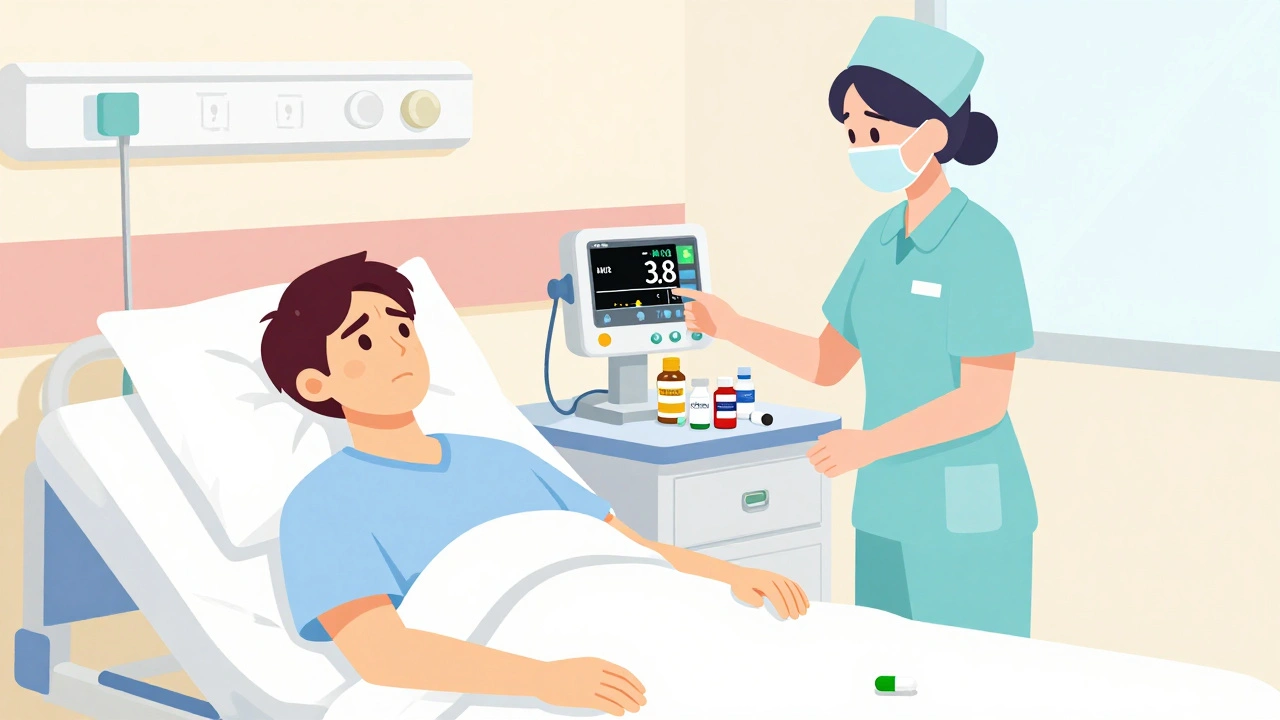
Acetaminophen Overdose: Symptoms, Risks, and How to Stay Safe
When you take too much acetaminophen, a common pain reliever and fever reducer found in over 600 medications. Also known as paracetamol, it’s safe at the right dose—but too much can silently destroy your liver. Most people don’t realize they’re at risk because acetaminophen hides in so many over-the-counter and prescription drugs. A cold medicine here, a sleep aid there, a migraine pill on top—it adds up fast. You don’t need to swallow a whole bottle to overdose. Just a few extra pills over a day or two can be deadly.
This isn’t just about accidental mistakes. Many people think if it’s sold without a prescription, it’s harmless. But liver damage, a direct result of acetaminophen toxicity doesn’t care if you meant well. The liver breaks down acetaminophen, and when it’s overwhelmed, it produces a toxic byproduct that kills liver cells. Symptoms don’t show up right away. You might feel fine for 24 hours—then suddenly get nauseous, sweaty, and confused. By then, it’s often too late to reverse the damage without emergency treatment.
People on long-term pain meds, those who drink alcohol regularly, or anyone taking multiple products with acetaminophen are at higher risk. pain relievers, like ibuprofen or aspirin, are often mixed with acetaminophen in combo pills, and labels don’t always make it obvious. One study found that nearly half of acetaminophen overdoses happened because people didn’t realize they were double-dosing. The same thing happens with cold and flu mixes—those "all-in-one" formulas are the #1 trap.
Knowing what to look for saves lives. Check every medicine bottle. Look for "acetaminophen" on the Drug Facts label—it’s not always listed as Tylenol. If you’re taking more than one product, add up the milligrams. The max safe dose for most adults is 4,000 mg in 24 hours. Go over that, even by a little, and you’re playing Russian roulette with your liver. If you think you’ve taken too much, don’t wait for symptoms. Call poison control or go to the ER immediately. There’s an antidote—N-acetylcysteine—but it only works if given early.
What you’ll find below are real, practical posts that break down how acetaminophen hides in everyday meds, why mixing it with alcohol is dangerous, how to read labels without getting confused, and what to do if you’ve already gone over the limit. No fluff. No scare tactics. Just clear, tested info to help you avoid the most common mistakes that lead to overdose.