Fulminant Hepatic Failure from Medications: How to Recognize It in an Emergency
 Dec, 5 2025
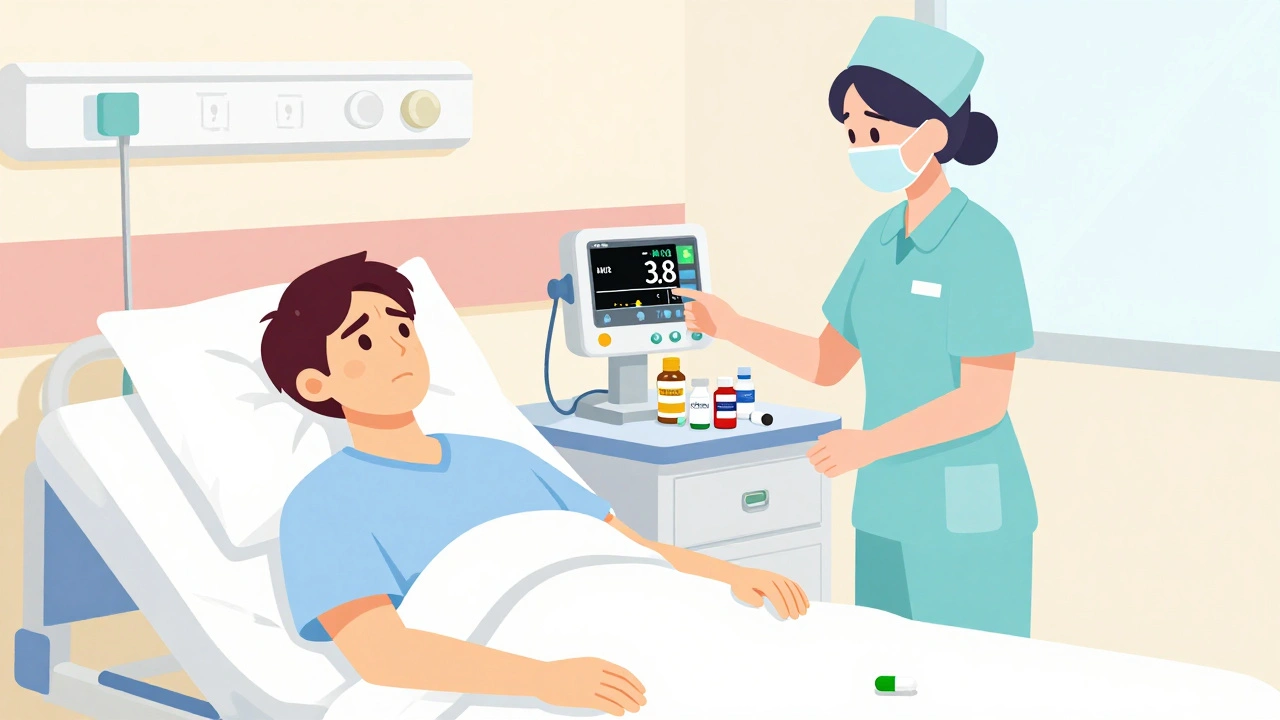
When someone suddenly becomes confused, yellow-eyed, and vomits without warning, most people think it’s the flu. But if they’ve taken any medication - even something as simple as acetaminophen - it could be fulminant hepatic failure, a life-or-death liver collapse that can kill in hours. This isn’t rare. In the U.S., nearly half of all acute liver failure cases come from medications. And the difference between living and dying often comes down to whether someone in the ER spots it before it’s too late.
What Exactly Is Fulminant Hepatic Failure?
Fulminant hepatic failure (FHF) means your liver stops working - fast. No warning. No slow decline. It happens in days, sometimes hours, in people who had no prior liver problems. The body can’t process toxins, can’t make clotting factors, and can’t clear ammonia from the brain. The result? Jaundice (yellow skin), bleeding, and brain swelling that causes confusion, slurred speech, or coma. This isn’t just "bad liver function." It’s a system-wide emergency.
Doctors define it by three things: jaundice, encephalopathy (brain dysfunction), and a blood clotting test (INR) over 1.5. If all three show up within eight weeks of the first symptom - and no old liver disease - it’s FHF. If it happens in less than seven days? That’s hyperacute. Even more dangerous.
Medications Are the #1 Cause - And It’s Not Just Illegal Drugs
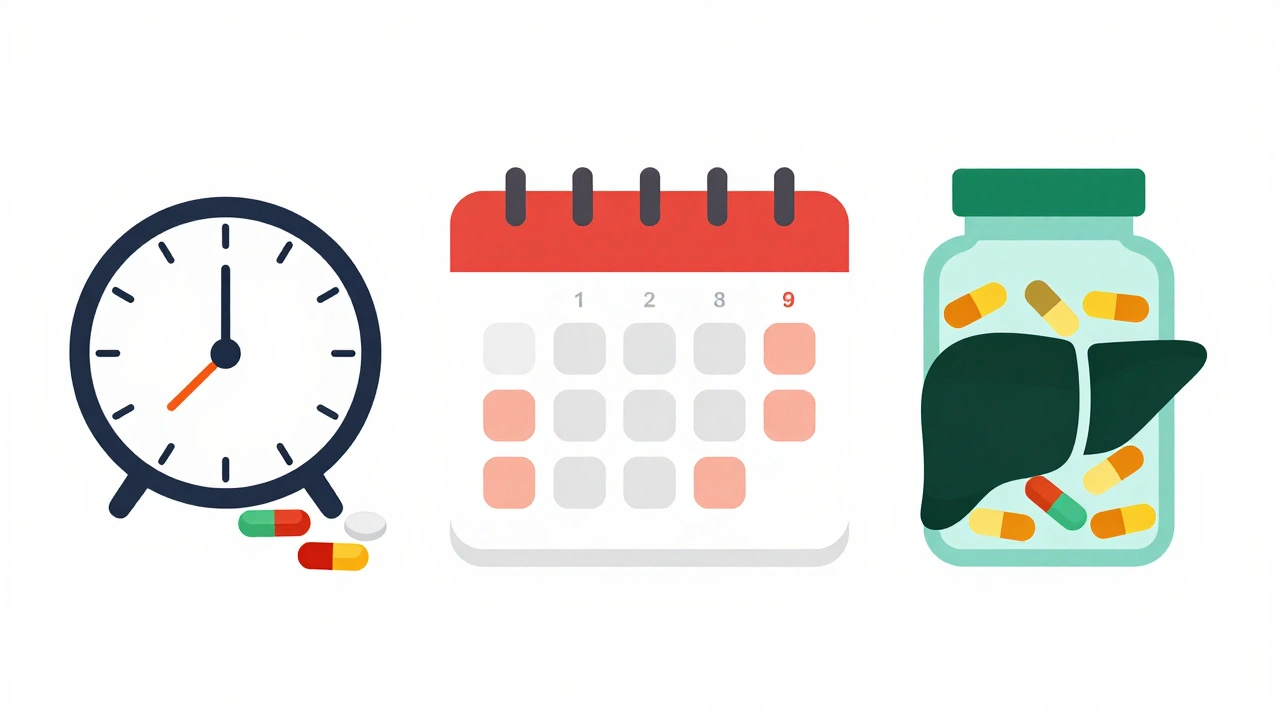
Acetaminophen, the active ingredient in Tylenol, Excedrin, and hundreds of cold and pain meds, causes 46% of all medication-induced FHF cases in the U.S. That’s more than all other drugs combined. People don’t realize they’re overdosing because they’re taking multiple products. A common scenario: someone takes two hydrocodone/acetaminophen pills for back pain, then adds two extra Tylenol tablets for a headache. That’s 4,000 mg - the daily limit. Do that for a few days? You’re in danger.
The numbers don’t lie. Ingesting more than 7.5 grams of acetaminophen in one go - or 150 mg per kilogram of body weight - puts you at high risk. But here’s the twist: you don’t have to take it all at once. Chronic overuse - even at "safe" doses - can trigger failure. A 2022 study found 28% of acetaminophen-related FHF cases came from people taking prescribed combinations that added up to more than 4 grams a day.
Other drugs aren’t far behind. Antibiotics like amoxicillin-clavulanate (Augmentin) can cause liver failure after weeks of use. Antiseizure meds like valproic acid attack the liver’s energy factories, leading to fatty buildup and ammonia spikes. Herbal supplements? They’re the fastest-growing cause. Green tea extract, kava, and weight-loss pills have all triggered fatal cases. One study found 42% of herbal supplement-related liver failures involved green tea extract taken at doses over 800 mg daily.
How to Spot It Before It’s Too Late
Emergency teams don’t have time to wait for lab results. They need red flags. Here’s what to look for:
- Unexplained nausea and vomiting - especially if appetite is normal. This is the #1 symptom patients report before collapsing.
- Yellowing of the eyes or skin - not always obvious, but if you see it, act.
- Subtle personality changes - a usually sharp person becomes slow, forgetful, or irritable. Family members often notice this first.
- Unexplained bruising or bleeding - nosebleeds, gum bleeding, or dark stools.
On the lab side, three numbers matter most:
- ALT over 1,000 IU/L - especially if it’s higher than AST (ALT:AST ratio >2:1). That’s the acetaminophen signature.
- INR over 1.5 - if it’s above 3.5 at 96 hours, survival without transplant drops to under 10%.
- Bilirubin over 2x normal - paired with ALT over 3x normal, this is Hy’s Law. It means you’re in the danger zone.
And here’s the kicker: 23% of people with acetaminophen-induced liver failure deny taking it. So if someone has ALT >500 IU/L, check the level anyway. Don’t wait for a confession.
Acetaminophen vs. Other Drugs - The Differences That Save Lives
Not all drug-induced liver failure is the same. Knowing the pattern changes everything.
Acetaminophen: Fast. Predictable. Treatable. ALT spikes within 24 hours. Encephalopathy hits in under 72 hours. The Rumack-Matthew nomogram - a chart based on blood levels and time since ingestion - tells you if you’re in danger. If the level is above 150 μg/mL at 4 hours, give N-acetylcysteine (NAC) immediately. Done right, survival jumps to 67%.
Amoxicillin-clavulanate: Slow burn. Jaundice appears after 18+ days. Alkaline phosphatase is sky-high. Encephalopathy comes late. It looks like hepatitis - so it’s misdiagnosed as viral infection 41% of the time.
Valproic acid: Ammonia levels spike before brain symptoms. Think seizures, confusion, vomiting - but no jaundice yet. Liver enzymes might not even be high. Check ammonia if someone on seizure meds suddenly acts strange.
Herbal supplements: Delayed. Takes 30 to 90 days to show up. Often in women. No lab test confirms it. You have to rule everything else out. If someone’s been taking green tea extract, kava, or "natural weight loss pills" for months - suspect it.
What Happens in the ER - The 30-Minute Protocol
At top hospitals, there’s a 30-minute emergency triage checklist for suspected FHF:
- Check ALT, INR, and acetaminophen level - immediately - if the patient has nausea/vomiting plus jaundice. This combo catches 98.7% of cases.
- Assess mental status every hour using the West Haven Criteria. Grade 1 = mild confusion. Grade 4 = coma. Don’t wait for the family to say "they’re not themselves."
- Repeat INR every 6 hours if it’s above 1.5. A rising INR means the liver is dying. If it hits 6.5, transplant is the only option.
And here’s what you do next: If acetaminophen is suspected, give NAC - even before lab results. It’s safe, cheap, and works best if given within 8 hours. After 24 hours? It still helps, but less. The clock is ticking.
For non-acetaminophen cases? Hospitalize. Monitor INR daily. Stop all meds. Don’t guess. If Hy’s Law is met (ALT/AST >3x ULN + bilirubin >2x ULN), you’re in FHF territory. Get a liver specialist involved now.
Why People Miss It - And How to Avoid the Mistakes
Here’s what goes wrong:
- "It’s just the flu." - Nausea and fatigue are common. Doctors don’t think liver.
- "They don’t take Tylenol." - 23% of acetaminophen cases lie or forget.
- "It’s a viral infection." - Herbal supplements and antibiotics mimic hepatitis B or C.
- "They’re just taking the pills as directed." - But "as directed" adds up across multiple products.
One nurse in a patient forum shared a case: a 45-year-old woman on hydrocodone/acetaminophen for back pain took extra Tylenol for headaches. She showed up confused. ER staff didn’t check INR until she was in a coma. INR was 8.2. She survived - but only because a transplant team was on standby.
Another case: a man took 3,000 mg of kava daily for six months for anxiety. He collapsed with INR 5.8 and grade IV encephalopathy. No one asked about supplements.
Bottom line: Always ask about every medication - prescription, OTC, herbal, supplement, and dose. Write it down. Don’t assume.
The Future: AI, Biomarkers, and National Alerts
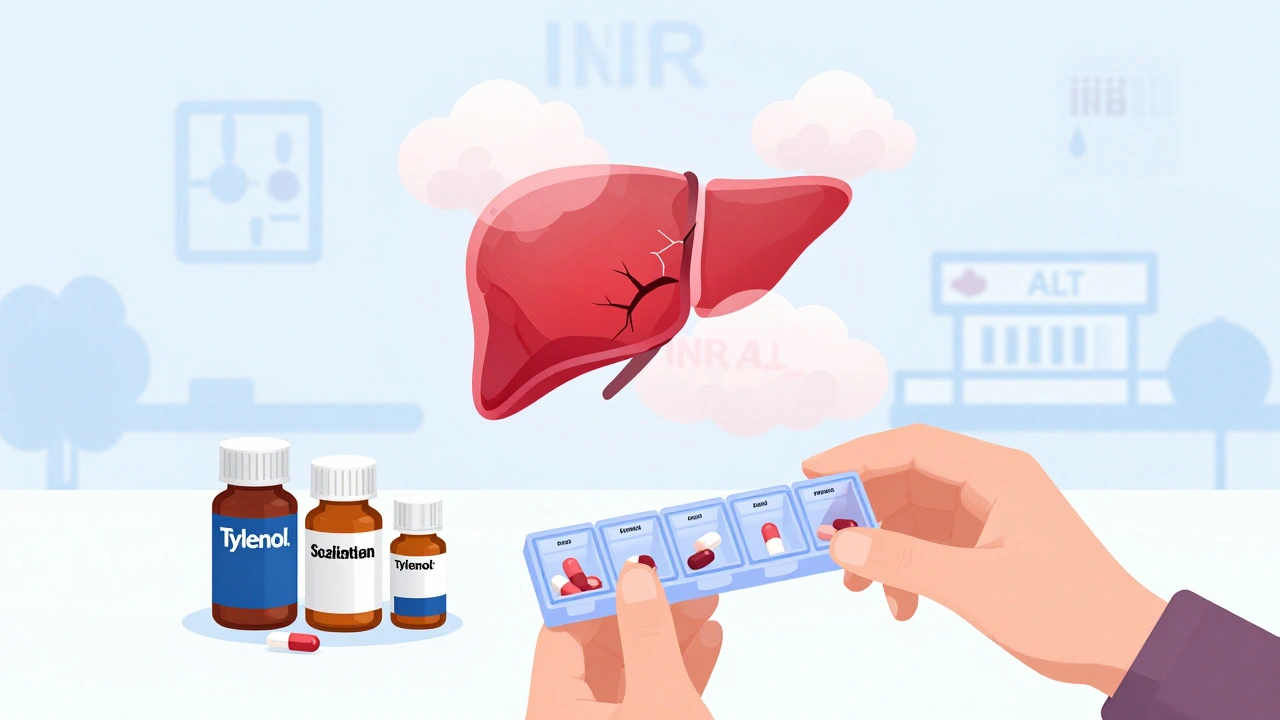
Things are getting better. In 2023, the FDA cleared HepaPredict, an AI tool that uses 17 clinical inputs to predict liver failure with 89% accuracy within 24 hours. It’s already in use at major trauma centers.
Researchers are also testing microRNA-122 - a tiny molecule released by dying liver cells. It rises within 6 hours of acetaminophen overdose, way before ALT spikes. This could be the next early warning system.
By mid-2024, a nationwide FHF Alert System will launch. ERs will be required to report suspected cases within one hour. This connects patients to transplant centers before they crash. California’s pilot cut time-to-transplant by nearly 40 hours.
But the biggest change? Awareness. The American Association for the Study of Liver Diseases now lists emergency recognition of drug-induced FHF as a top national priority. By 2027, they want NAC given within 8 hours to 90% of acetaminophen cases. Right now, it’s under 60%.
What You Can Do Right Now
If you or someone you know has:
- Been taking painkillers, cold meds, or supplements for weeks
- Started feeling unusually tired, nauseous, or confused
- Has yellow eyes or unexplained bruising
- Go to the ER. Say: "I think this might be liver failure from medication." Demand an ALT, INR, and acetaminophen level. Don’t wait. Don’t be polite. This isn’t a doctor’s office issue. It’s a 911 event.
And if you’re on multiple medications - even "safe" ones - add up the acetaminophen. Check every bottle. If it’s over 4 grams a day, stop. Talk to your doctor. There are safer pain options.
Herbal supplements aren’t harmless. They’re unregulated. No one checks doses. No one tracks interactions. If you’re taking them, tell your doctor. Even if they don’t ask.
Can you survive fulminant hepatic failure without a transplant?
Yes - but only if caught early. For acetaminophen-induced cases treated with N-acetylcysteine within 8 hours, survival without transplant is about 67%. For other drugs, it’s under 30%. If INR rises above 6.5 or pH drops below 7.3, transplant is the only option. Time is everything.
Is it safe to take Tylenol if I have a cold and back pain?
Only if you track every source. Many cold medicines, flu remedies, and prescription painkillers contain acetaminophen. Add them up. Never exceed 4,000 mg total per day. If you’re taking hydrocodone/acetaminophen and also use Tylenol for headaches, you’re already over the limit. Switch to non-acetaminophen options like ibuprofen - if your kidneys are okay.
Why do herbal supplements cause liver failure?
They’re not tested like drugs. A supplement labeled "green tea extract" might contain 500 mg per capsule - but one person takes four a day. That’s 2,000 mg. The toxic dose? Around 800 mg. Also, some products are contaminated with heavy metals or undisclosed drugs. There’s no safety net.
What’s the difference between hepatitis and fulminant hepatic failure?
Hepatitis is liver inflammation - often viral or alcohol-related. It can be mild or chronic. FHF is sudden, massive liver death. It’s not inflammation - it’s collapse. You can have hepatitis without FHF. But FHF always includes encephalopathy and coagulopathy - signs your liver has stopped working entirely.
Should I get tested for liver damage if I take supplements regularly?
If you’ve been taking herbal supplements for more than 3 months - especially weight loss, muscle building, or "detox" products - get a liver panel. Check ALT, AST, bilirubin, and INR. Many people have silent liver damage. No symptoms. Just rising enzymes. Catch it early, and you can stop the supplement before it’s too late.
Final Thought: This Is Preventable
Fulminant hepatic failure from medication isn’t a mystery. We know the causes. We know the warning signs. We know how to treat it. The problem isn’t science - it’s awareness. A 45-year-old woman dies because no one asked about her daily Tylenol. A man goes into coma because his doctor didn’t know he took kava. These aren’t freak accidents. They’re preventable failures of recognition.
If you take meds - even over-the-counter ones - know what’s in them. If you feel off, don’t wait. Say: "I think this might be my liver." And if you’re a clinician? Check the INR. Check the acetaminophen level. Even if they say they didn’t take it. Because sometimes, they’re right - and sometimes, they’re wrong. And in this case, being wrong costs lives.
Nava Jothy
December 7, 2025 AT 00:41And don't get me started on herbal supplements. Green tea extract? Please. That's just concentrated poison with a Zen aesthetic. I'm not even surprised when people die. I'm surprised they survive long enough to post about it.
Chris Park
December 8, 2025 AT 00:09Katie O'Connell
December 8, 2025 AT 13:42Akash Takyar
December 10, 2025 AT 13:32Inna Borovik
December 12, 2025 AT 06:37Jackie Petersen
December 12, 2025 AT 08:06Annie Gardiner
December 12, 2025 AT 09:57Andrew Frazier
December 12, 2025 AT 21:48Geraldine Trainer-Cooper
December 13, 2025 AT 19:46Myles White
December 14, 2025 AT 02:08