Understanding Prescription Label Warnings: A Safety Guide
 Mar, 31 2026
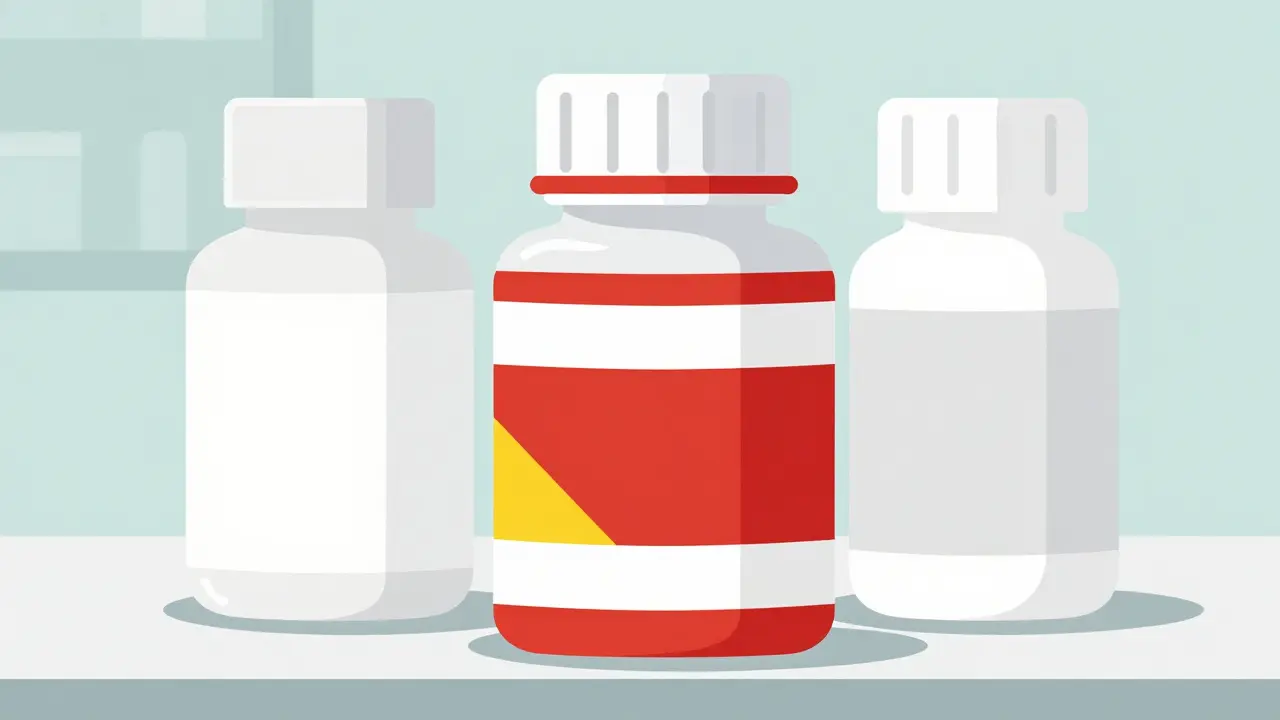
Pick up a bottle from your local pharmacy and you will see more than just a name and a dosage. There are small stickers with bold fonts and colored backgrounds. These prescription label warnings are critical safety components that communicate potential risks, proper usage instructions, and contraindications to patients. Many people glance over them, assuming the pill itself is harmless. That assumption is dangerous. Medication errors contribute to approximately 1.3 million injuries annually in the United States alone. The right label can stop a mistake before it happens.
The goal of these warnings is not just legal compliance; they are your final checkpoint for safety. When you understand what the text means, you take control of your health. We often trust the pharmacist implicitly, which is good, but knowing how to read these labels adds a layer of protection you cannot outsource.
Where Do These Labels Come From?
You might wonder why some pills have strict red warnings while others look plain. This comes down to regulation. In the U.S., the Food and Drug Administration mandates that all prescription containers bear cautions necessary to prevent injury. This requirement stems from laws passed back in 1938, updated significantly by the Kefauver-Harris Amendment of 1962. That amendment forced companies to prove their drugs were safe and effective before selling them.
Modern standardized drug labeling systems were substantially updated with the Physician Labeling Rule implemented in 2006. This restructured information to be more useful for healthcare professionals. However, the reality is that the person reading the bottle at home is often the patient, not the doctor. Studies show only 55% of patients correctly interpret standard warning labels. That gap is where danger hides.
Decoding the Language of Safety
The text on a bottle isn't random. It falls into specific categories designed to trigger attention. You need to know what to look for before you even open the bottle.
- Black Box Warnings: These are the most serious type mandated by the agency. They sit at the top of prescribing information. They appear when there is reasonable evidence of a causal association with a serious adverse reaction that may lead to death or serious injury.
- Color Codes: Colors matter. Red usually signals immediate danger. Yellow suggests caution. Blue, white, and green are typically viewed as less critical recommendations or storage instructions.
- Textual Instructions: Phrases like "Take on empty stomach" mean at least one hour before or two hours after meals. "Refrigerate" means keeping the medicine between 2-8°C.
A study published in U.S. Pharmacist found that 42% of patients correlated label color to message severity. This is a vital clue. If you see red, stop and read carefully. If you see blue, it might still be important, but it does not carry the same weight of immediate harm.
Common Warnings People Misread
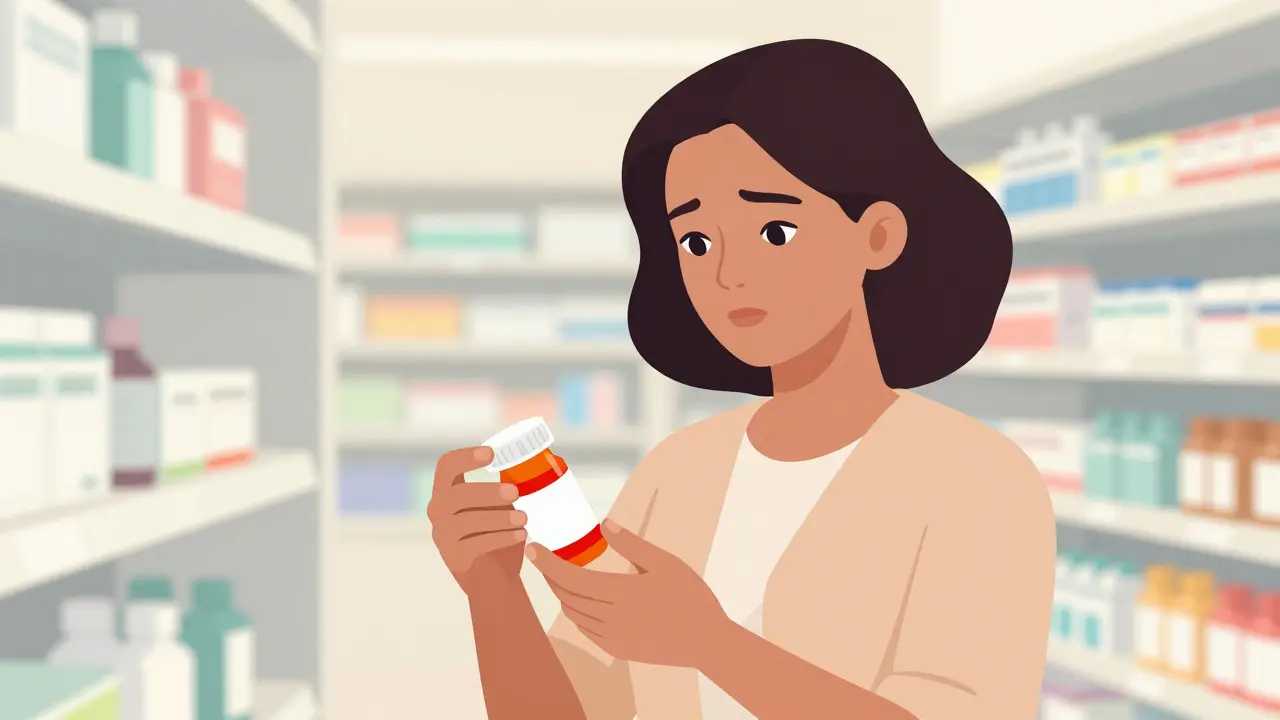
It is easy to misinterpret simple phrases. Ambiguity leads to mistakes. Here are three common scenarios that trip people up constantly.
The "Swallow Whole" Trap
When a label says "Do not chew or crush, swallow whole," many people get confused. Some think it means "chew it up so it will dissolve." Community pharmacy data shows approximately 30% of patients misunderstand this specific instruction. Crushing extended-release tablets can dump the entire dose into your system at once. This causes overdose effects. Always ask if you are unsure. Better yet, keep the original container which describes the physical shape.
"For External Use Only" Confusion
This phrase appears on creams and patches. Despite being written at a first-grade reading level, 90.7% of respondents had difficulty understanding it in one study. Some thought it meant "take anywhere." A symbol accompanying this text was misinterpreted as radioactive by 32% of people. Never rely on symbols alone. Read the text.
Food and Light Interactions
Instructions like "Avoid sunlight" or "Take with food" are often ignored. A survey of 1,200 users found 37% ignored sunlight warnings. This can lead to severe skin reactions. Taking medication with food can sometimes reduce nausea, but for other drugs, food blocks absorption. If the label says "with food," eat something substantial, not just a sip of water.
The Power of Communication
Reading the label is step one. Verbal confirmation is step two. Pharmacists are trained to explain these warnings, but the conversation stops too quickly.
The teach-back method is highly effective. This involves you repeating the instructions in your own words. For example, "So, I shouldn't drive after taking this because it might make me sleepy, right?" This method has been shown to improve warning comprehension by 47%. It confirms that the message landed. Do not feel shy about asking. If the pharmacist explains it, listen closely.
The Institute for Safe Medication Practices notes that standardized, evidence-based warning labels could reduce medication errors by 25-35% based on international models. Your active participation completes the safety loop.
| Warning Type | Comprehension Rate | Risk Factor |
|---|---|---|
| Textual Warnings Only | 78% | Moderate Risk |
| Symbols Only | 65% | High Risk |
| Verbal + Visual Symbols | 92% | Low Risk |
| Red Label (Danger) | 85% | High Alert |

Why Health Literacy Matters
Some of these labels assume you know medical terms. Contraindication sounds scary. Adverse reaction sounds technical. The National Assessment of Adult Literacy reported that only 12% of adults have proficient health literacy. Eighty million American adults face limited health literacy challenges.
If you do not understand a word, search it immediately. Do not guess. The FDA's 2019 review acknowledged that current labeling does not adequately address health literacy challenges. Companies are working on this. In February 2023, the agency approved the first standardized icon set for prescription warnings. A universal "do not crush" symbol reduced misinterpretation from 31% to 8% in clinical testing.
Technology is catching up too. The American Society of Health-System Pharmacists announced a pilot program with hospitals to implement dynamic QR codes on prescription labels. These link to video explanations. By 2026, expect more pharmacies to offer this feature. Scanning a code on your phone to watch a thirty-second explanation is safer than reading dense text.
Action Steps for Safe Use
To make sure you are truly safe, follow this checklist every time you leave the counter.
- Verify the physical description matches the label (shape, color, imprint).
- Check for color-coded warnings immediately (red for danger).
- Cross-reference the Patient Prescribing Information sheet.
- Ask the pharmacist to confirm any confusing terms.
- Store medications according to temperature requirements.
Your vigilance prevents harm. Whether you are managing chronic conditions or dealing with a temporary infection, the sticker on the bottle holds critical intelligence. Treat it as seriously as the pill inside.
Why are some warning labels red?
Red labels are interpreted as 'danger' messages. Studies show patients associate red with immediate risk. These warnings indicate situations where the risk outweighs the benefit or requires extreme caution.
What does 'Black Box Warning' mean?
This represents the most serious type of warning mandated by regulators. It is required when there is reasonable evidence of a causal association with a serious adverse reaction that may lead to death or serious injury.
Should I always swallow pills whole?
Only if the label says 'swallow whole.' Crushing extended-release tablets can release the full dose at once, causing dangerous side effects. Always verify the instruction specifically.
Can I rely on icons instead of reading text?
Icons-only warnings performed worst in studies. The icon for 'external use only' was often misinterpreted as 'radioactive.' Always read the text accompanying the symbol to ensure accurate understanding.
How can I improve my understanding of prescriptions?
Use the 'teach-back' method by repeating instructions in your own words to the pharmacist. This improves comprehension rates by nearly 50%. Ask for verbal explanations alongside written labels.
James DeZego
April 1, 2026 AT 17:57The QR code integration mentioned here is definitely a step forward. It helps patients access video tutorials instantly. This reduces the reliance on reading dense text blocks. 📱💊
Callie Bartley
April 3, 2026 AT 12:13Red labels scream danger yet nobody pays attention. People just ignore the warnings until they get sick.
Molly O'Donnell
April 5, 2026 AT 07:07The red warning stickers are often ignored until a reaction occurs.
Rocky Pabillore
April 5, 2026 AT 13:02Most patients lack the intellect to parse such critical safety information anyway. They simply cannot comprehend medical terminology. It is frustrating watching ignorance prevail.
Russel Sarong
April 6, 2026 AT 19:00That is incredibly harsh! You should never dismiss patients for their struggles! Everyone deserves understanding! Compassion matters!
Cullen Zelenka
April 7, 2026 AT 05:42I think the industry is getting better at communication. New methods help everyone stay safer.
Eleanor Black
April 8, 2026 AT 19:55The evolution of pharmacy labeling has been slow. Early laws focused heavily on professional liability. Consumer protection came much later in the process. Kefauver-Harris was a watershed moment for safety. Modern rules emphasize patient accessibility now. Yet implementation remains inconsistent across states. Visual aids provide a universal language barrier solution. Icons fail when patients misinterpret symbolic meaning. Verbal confirmation bridges that specific knowledge gap. Pharmacists are the last line of defense truly. Teaching back techniques validate patient comprehension effectively. Studies prove retention improves drastically with this method. We must prioritize clarity over legalistic jargon always. Standardized icon sets approved recently offer hope. Dynamic digital labels could transform the experience completely. It is essential to maintain vigilance regardless of tools.
Arun Kumar
April 10, 2026 AT 03:21Your energy towards safety is inspiring! We all need to look out for each other! Asking questions builds trust!
Julian Soro
April 10, 2026 AT 12:21Extended release tablets are particularly dangerous if crushed incorrectly. Full doses can overwhelm the system quickly. Always check the physical shape before consumption.
Cara Duncan
April 10, 2026 AT 17:18Love seeing everyone talk about safety! ❤️ We got this! 💪
Jenny Gardner
April 11, 2026 AT 12:00Contraindications are defined interactions that prevent drug efficacy! These are distinct from side effects! Precision in terminology ensures proper care!
Christopher Beeson
April 11, 2026 AT 21:46Trust in systems is merely a coping mechanism for chaos. Labels act as societal band-aids rather than cures. We pretend control exists where none is found.
Sharon Munger
April 12, 2026 AT 18:42Careful reading saves lives
Ask your pharmacist if unsure
Stay safe