The Psychological Impact of Medication Switching: What Happens When You Change Meds
 Apr, 22 2026
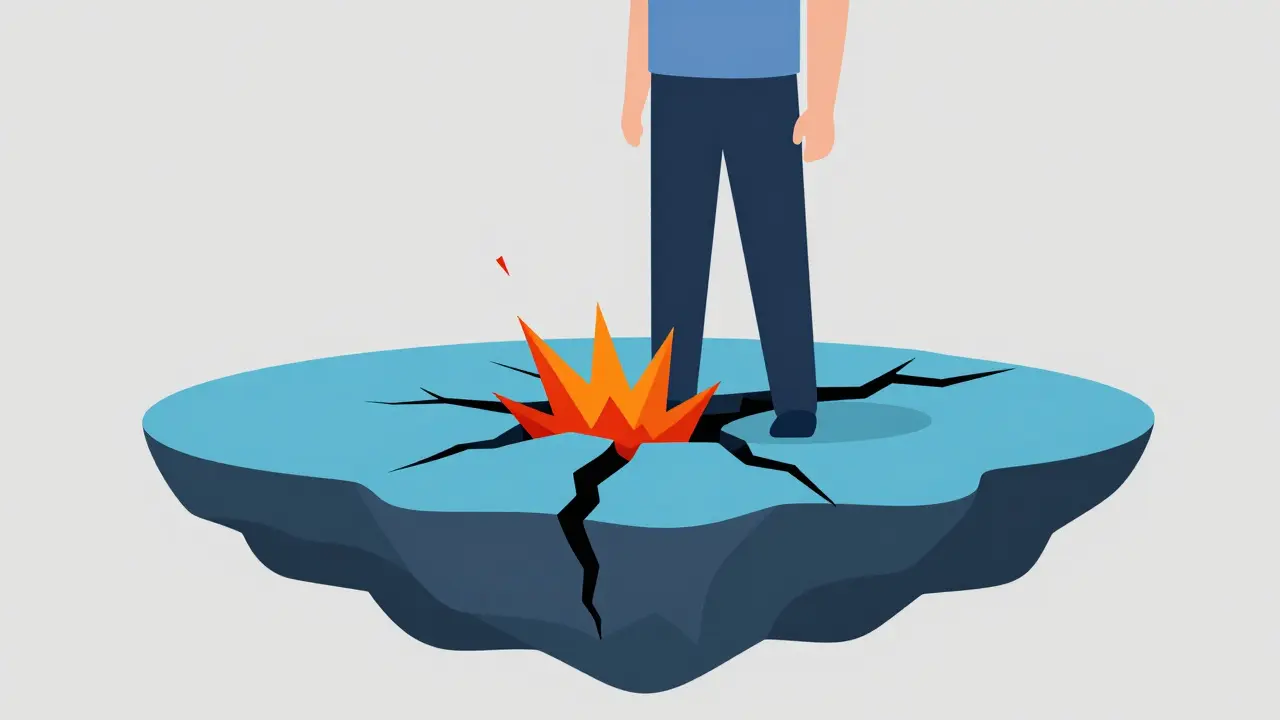
Imagine feeling like you've finally found your footing after months of struggle, only to have the rug pulled out from under you because of a pharmacy change or a doctor's adjustment. For many, changing a psychiatric medication isn't just a medical transition-it's a psychological earthquake. Whether it's a switch from a brand-name drug to a generic version or moving to an entirely different class of antidepressants, the mental toll can be far more intense than the physical side effects.
When we talk about medication switching is the process of discontinuing one psychotropic medication and initiating another to optimize mental health treatment , we aren't just talking about chemistry. We're talking about a shift in how a person perceives their identity, their stability, and their trust in the medical system. The goal is usually to find a better fit, but the journey there can be fraught with anxiety, emotional numbness, and a feeling of betrayal.
| Method | Process | Psychological Risk | Estimated Outcome |
|---|---|---|---|
| Cross-Tapering | Gradually reducing one drug while starting another | Lower (managed transition) | 37% fewer adverse events |
| Abrupt Discontinuation | Stopping one drug immediately before starting another | High (withdrawal/shock) | Higher risk of relapse/instability |
| Generic Switch | Switching from brand-name to generic (or vice versa) | Moderate to High (instability) | Potential for symptom exacerbation |
The Three Phases of the Medication Experience
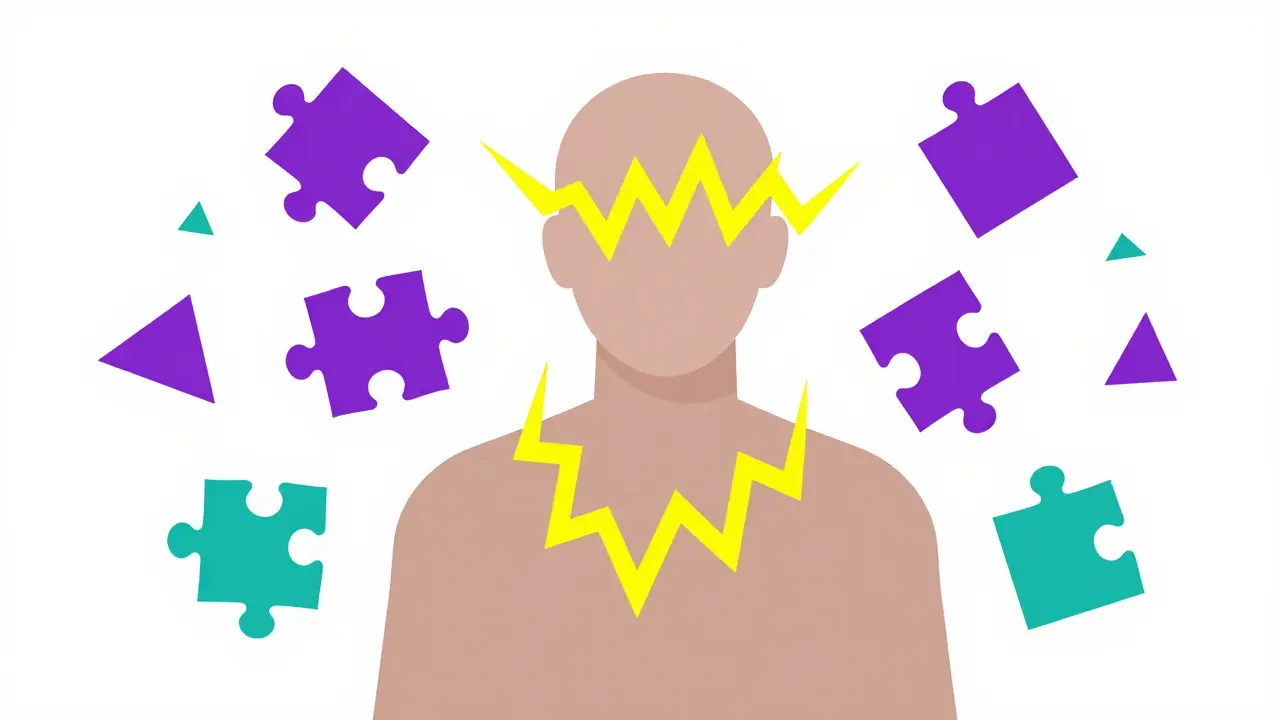
Changing medications isn't a one-time event; it's a psychological process. Research suggests that patients often cycle through three distinct mental stages. First, there is a "loss of self" that occurs during high medication use, where people feel their personality is dampened or altered. Then comes the volatile period of reducing or stopping the drug. This is where the "brain zaps"-those electric-shock sensations-often kick in, leaving people feeling physically and mentally frayed.
The final stage is forming a stable attitude toward the medication. Interestingly, only about 35% of people reach this stable state even after two years. This means for a huge chunk of patients, the psychological impact of switching is a permanent state of uncertainty. They aren't just fighting their original condition; they're fighting the instability caused by the treatment itself.
The "Generic Trap" and the Psychology of Trust
One of the most frustrating experiences for patients is the unplanned switch from a brand-name drug to a generic. On the surface, the active ingredient is the same. But in practice, the psychological fallout can be devastating. Some patients report a complete return of panic attacks or profound emotional numbness. The issue often isn't the chemical formula, but the act of switching formulations itself, which can destabilize someone who has finally achieved a fragile equilibrium.
This leads to a phenomenon called "trust erosion." When a pharmacy switches a medication without the patient's knowledge, or a doctor minimizes the potential for withdrawal, the therapeutic alliance breaks. You aren't just losing your medication stability; you're losing your confidence in the people tasked with your care. It’s not uncommon for patients to feel a sense of betrayal, which only adds to the anxiety of the transition.
Why Some People Struggle More Than Others
Not everyone reacts to a switch in the same way. There are deep-seated factors-some genetic, some social-that dictate how a person handles the transition. For instance, people with higher polygenic risk scores for depression recovery failure are significantly more likely to require a switch in the first place. This creates a cruel irony: the people who most need a stable medication are often the ones whose bodies are least equipped to handle the switch.
Socioeconomic factors play a massive role here too. Data indicates that people with lower incomes are more likely to experience negative psychological outcomes during a switch. This likely stems from a lack of access to intensive monitoring. If you can't afford weekly check-ins with a doctor during a 4-week cross-taper, you're essentially flying blind through a psychological storm.
Managing the Transition: How to Protect Your Mental State
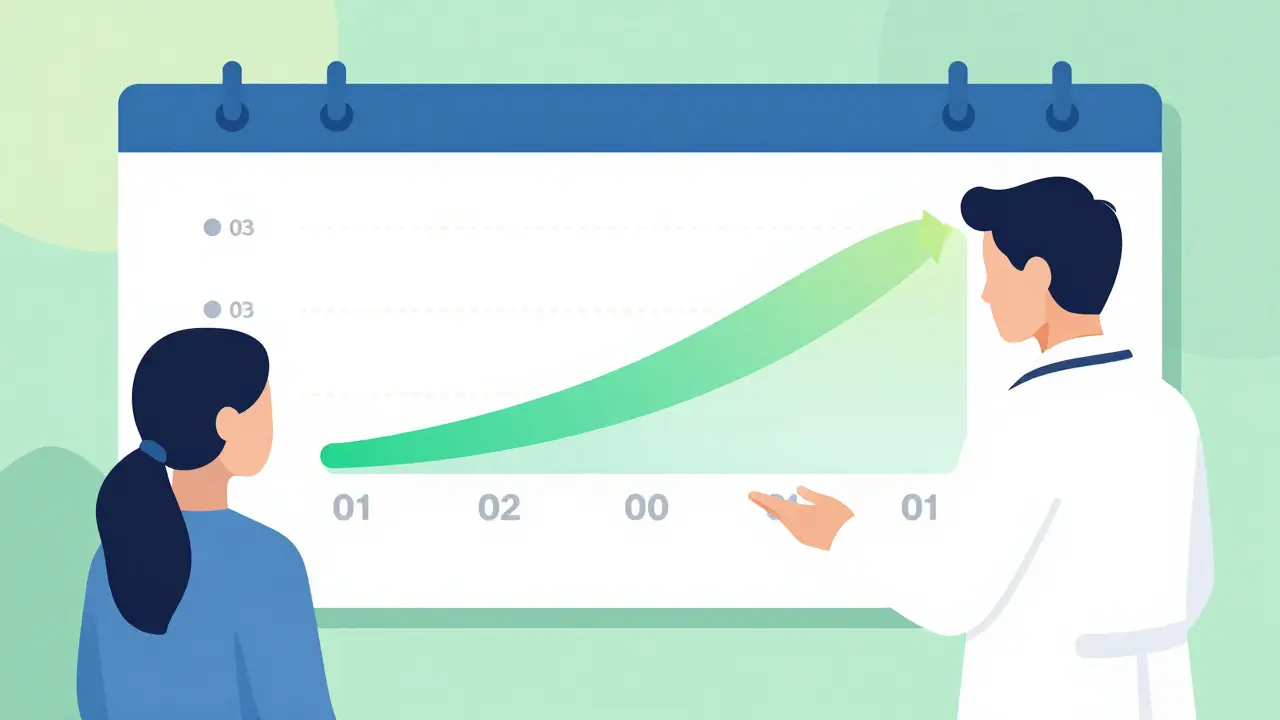
If you or a loved one are facing a medication change, the strategy used is everything. Cross-tapering is a clinical method of gradually reducing the dose of an old medication while slowly introducing a new one is generally the gold standard for minimizing psychological trauma. It prevents the "crash" associated with abrupt discontinuation and gives the brain time to adapt to the new chemical environment.
To make a switch safer, focus on these concrete steps:
- Demand a Tapering Plan: Don't just "stop and start." Ask for a written schedule that spans 2 to 4 weeks, depending on the drug's half-life.
- Track Functional Changes: Don't just track mood; track behavior. Are you avoiding people more? Is your sleep changing? Documenting these helps doctors anticipate 68% of behavioral changes before they become crises.
- Advocate for Consistency: If you are stable on a specific brand or generic version, discuss the risks of switching formulations with your doctor and pharmacist.
- Schedule Weekly Check-ins: The first month of a switch is the danger zone. Weekly monitoring can catch a downward spiral before it leads to hospitalization.
The Shift to Primary Care and the Knowledge Gap
A worrying trend is that more mental health prescriptions are being handled by primary care providers rather than psychiatrists. While this increases access to care, it introduces a risk. Many general practitioners lack specialized training in complex cross-tapering techniques. When a doctor doesn't understand the pharmacokinetic profile of a drug-like the difference between the short half-life of paroxetine and the long half-life of fluoxetine-the patient is the one who pays the price in withdrawal symptoms.
This gap is why patient education is so critical. You cannot afford to be a passive participant in a medication switch. Understanding that your "brain zaps" or sudden spikes in anxiety are recognized clinical symptoms of discontinuation syndrome-and not necessarily a failure of the new medication-can save you from the psychological despair of feeling like your recovery is permanently erased.
Why do I feel "brain zaps" when switching meds?
These "electric-shock sensations" are a hallmark of medication discontinuation syndrome. They occur when the brain's neurotransmitter levels shift rapidly. They are common during the reduction of antidepressants and are a sign that the taper may be too fast for your specific chemistry.
Is a generic medication really the same as a brand-name one?
Chemically, the active ingredient is the same. However, the inactive ingredients (fillers and binders) can vary. For some people, this change in formulation is enough to destabilize their psychological state, leading to a return of symptoms even if the active drug is identical.
How long does the psychological instability of a switch last?
It varies, but most cross-tapering protocols last between 2 to 4 weeks. However, some users report emotional numbness or anxiety for several weeks after the transition. Stable attitudes toward the new medication can take months or even years to fully form.
Can genetic testing help predict if a switch will work?
Pharmacogenetic testing is becoming more common to identify how a person metabolizes certain drugs. While it can suggest which medications might be more effective, it is not a guarantee, and the psychological experience of the switch itself remains a separate challenge.
What should I do if the switch makes my depression worse?
Immediately contact your provider. It's important to distinguish between a "temporary dip" caused by withdrawal and a true non-response to the new medication. Keep a daily log of your symptoms to help your doctor decide whether to adjust the dose or try a different class of drug.