Wrong Dosage: Risks, Real Cases, and How to Stay Safe
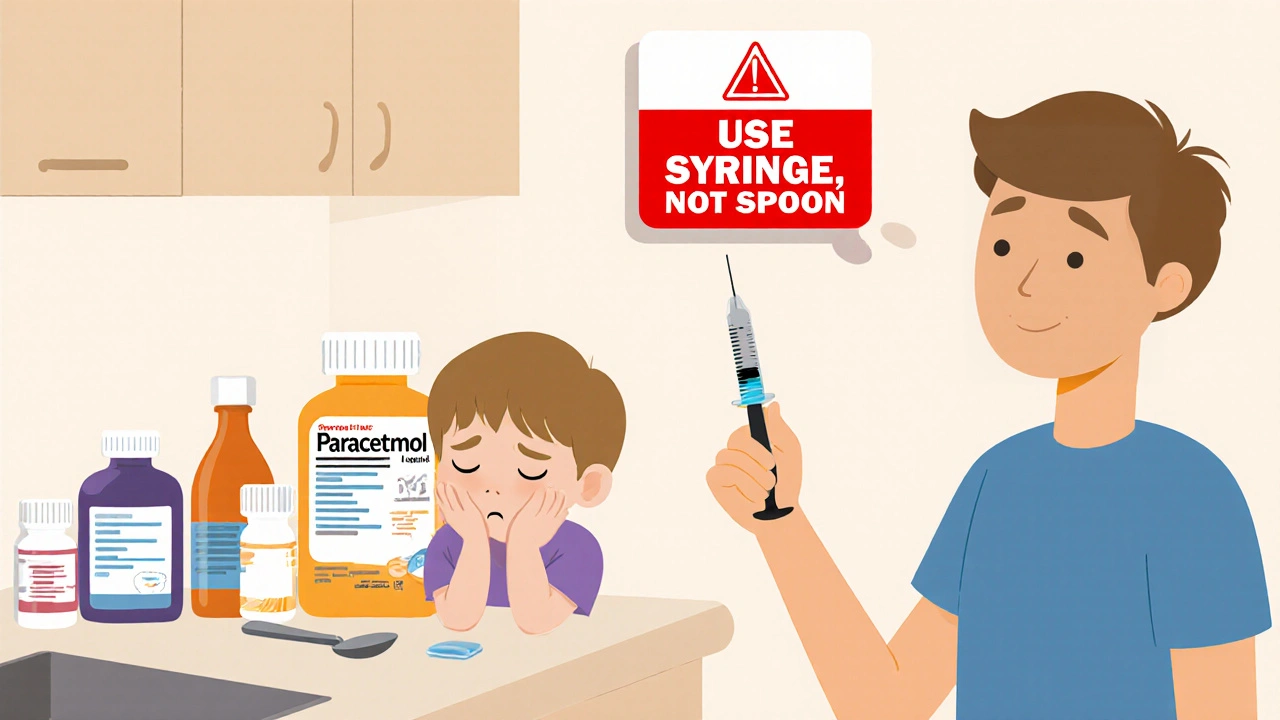
When you take a wrong dosage, an incorrect amount of a medication that can lead to harm, overdose, or treatment failure, it’s not just a mistake—it’s a medical event. This isn’t rare. Studies show that medication errors involving wrong dosage affect over 1.5 million people in the U.S. each year, and many go unreported because the harm is subtle or blamed on the condition itself. A child given too much acetaminophen. An elderly person doubling up on blood pressure pills because they forgot they already took one. A patient skipping doses of antibiotics because they felt better. These aren’t hypotheticals—they’re everyday risks with real consequences.
The problem doesn’t always come from the patient. Sometimes it’s the pharmacy, the prescription label, or even the doctor’s handwriting (yes, it still happens). Drug interactions, when medications clash and change how they work in the body can make a correct dose become dangerous. For example, mixing NSAIDs with blood thinners—like in the case of ibuprofen and warfarin—can turn a normal dose into a bleeding risk. Or taking calcium-fortified juice with levothyroxine: the calcium binds to the drug and blocks absorption, making the dose useless. Even generic drugs, FDA-approved versions of brand-name medications that are chemically identical can cause confusion if patients think they’re "weaker" and take more. And don’t forget supplements: garlic or kava might seem harmless, but when layered on top of blood thinners or sedatives, they turn a safe dose into a hazard.
Wrong dosage isn’t just about taking too much. Underdosing is just as dangerous. Stopping antibiotics early because you feel better? That’s not just lazy—it’s how superbugs are born. Skipping insulin doses because you’re afraid of low blood sugar? That can land you in the hospital. The real danger isn’t the pill itself—it’s the lack of clear, simple guidance. Most people don’t know how to read a prescription label, what "take with food" really means, or how long to wait between medications and drinks like orange juice or alcohol. And when you’re tired, stressed, or managing multiple conditions, mistakes happen fast.
What you’ll find below isn’t theory. It’s real stories from people who got it wrong—and what they learned. From how a simple mix-up with Dulcolax led to hospitalization, to why mixing antihistamines and alcohol can knock you out like a sedative, these posts show exactly how dosage errors happen and how to stop them. You’ll see why even "non-drowsy" allergy meds aren’t safe with a beer, how folic acid can interfere with epilepsy drugs, and why your heart medication might be causing weight gain if you’re not monitoring it. No fluff. No jargon. Just clear, practical facts that help you take your meds right—every time.