Kava Safety: Risks, Interactions, and What You Need to Know
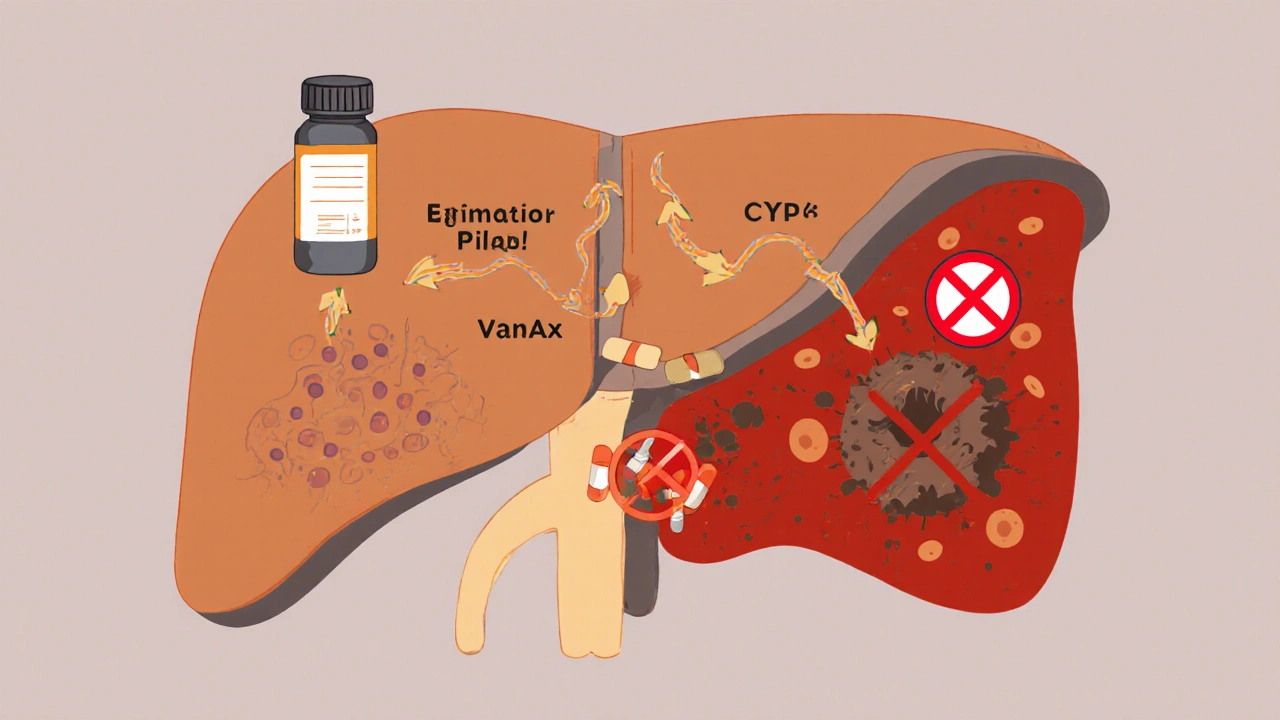
When people talk about kava, a traditional Pacific Island herbal remedy used for anxiety and relaxation. Also known as Piper methysticum, it’s been used for centuries in social and ceremonial settings—but modern use comes with serious safety questions. Unlike prescription drugs, kava isn’t tightly regulated, and that’s where things get risky. Many assume natural equals safe, but that’s not true. The biggest concern? liver damage, a rare but severe side effect linked to kava use. There are documented cases where people developed liver failure after taking kava supplements, some needing transplants. The FDA issued warnings in the early 2000s, and multiple European countries restricted sales. No one knows exactly why it happens, but it’s not random—it’s tied to how the body processes certain compounds in kava.
Another big issue is drug interactions, how kava messes with other medications. If you’re on antidepressants, sedatives, or even common painkillers, kava can amplify their effects. It slows down how your liver breaks down drugs, which means those meds stick around longer and can build up to dangerous levels. This isn’t theoretical—there are real cases of people ending up in the ER after mixing kava with alcohol or benzodiazepines. Even "natural" supplements like garlic, a common herbal product known to affect blood clotting, can interact unpredictably with kava. If you’re taking anything regularly, assume kava could interfere. Don’t guess—ask your doctor or pharmacist before trying it.
Who should stay away? Anyone with liver problems, people who drink alcohol regularly, and those on medications processed by the liver. Pregnant or breastfeeding women should avoid it entirely—there’s no safe data. Even healthy adults shouldn’t use kava long-term. Most studies showing benefits last only a few weeks. Long-term use increases liver risk without proving extra benefits. If you’re using it for anxiety, there are safer, proven options like therapy, exercise, or FDA-approved meds. Kava might feel like a quick fix, but the cost could be your liver.
What you’ll find below are real, evidence-based posts that dig into the hidden dangers of herbal supplements, how they interact with medications, and why "natural" doesn’t mean harmless. From liver injury cases to dangerous combos with blood thinners and antidepressants, these articles give you the facts you need to protect yourself—before it’s too late.