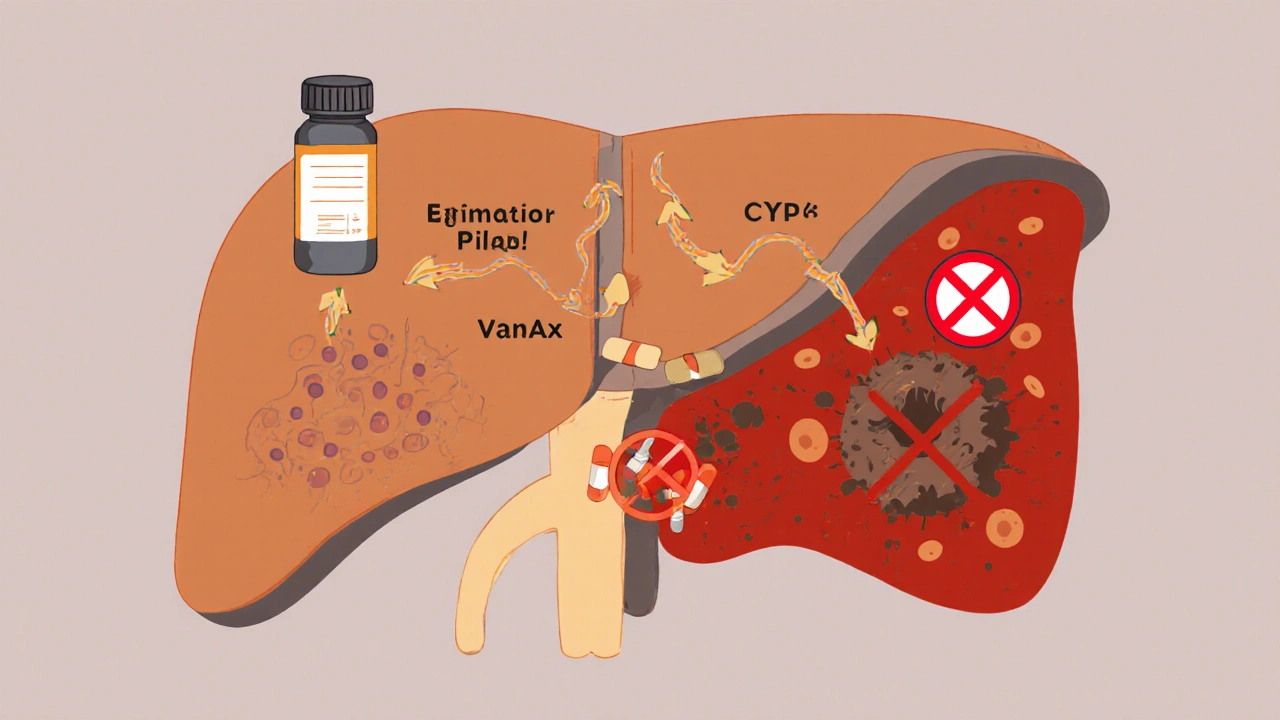
Kava Liver Damage: Risks, Signs, and What You Need to Know
When you think of kava, a traditional Pacific Island herbal remedy used for relaxation and anxiety relief. Also known as Piper methysticum, it's been taken for centuries—but recent reports show it can cause severe liver damage, a rare but dangerous condition where the liver becomes inflamed or fails due to toxic reactions. This isn’t just a theoretical risk. Health agencies have issued warnings, and real cases have led to liver transplants and even deaths.
Not everyone who takes kava gets hurt. But when it happens, it’s often unpredictable. That’s what makes it an idiosyncratic drug reaction, a rare, personal response to a substance that doesn’t follow typical patterns. One person might drink kava tea for years with no issues, while another develops jaundice after just a few weeks. There’s no clear dose threshold, and it doesn’t matter if you buy it from a trusted brand or make it yourself. The risk comes from how your body processes the compounds in kava—especially if you’re already taking other meds that affect the liver, like statins, antibiotics, or even over-the-counter painkillers.
Early signs of liver trouble from kava include dark urine, yellow eyes or skin, constant nausea, extreme fatigue, or pain under your right ribs. These aren’t normal side effects—they’re red flags. If you’re using kava regularly and notice any of these, stop immediately and get blood tests. Many people don’t realize how quickly liver damage can progress. Unlike alcohol or acetaminophen toxicity, kava’s damage often shows up silently until it’s advanced. And unlike some herbal products, kava isn’t regulated like prescription drugs. What’s in your bottle might vary in strength, purity, or even contain harmful additives.
Some studies link kava liver damage to extracts made with acetone or ethanol—solvents that pull out more of the potentially toxic compounds. But even water-based teas aren’t risk-free. The problem isn’t just the plant—it’s how we use it. Mixing kava with alcohol? That multiplies the danger. Taking it with other liver-metabolized drugs? That’s a recipe for trouble. Even people with no history of liver disease have been affected. There’s no genetic test to predict who’s at risk. The only safe approach is awareness: know the signs, avoid combining it with other substances, and never use it long-term without medical supervision.
What you’ll find below are real, evidence-based posts that dig into how herbal supplements like kava can interact with your body in unexpected ways. You’ll learn about other herbs that carry hidden liver risks, how to spot drug-induced liver injury early, and why even "natural" doesn’t mean safe. These aren’t warnings based on fear—they’re facts from clinical reports and patient experiences. If you’ve ever taken kava—or are thinking about it—this collection gives you the clarity you need to make a smart, informed choice.