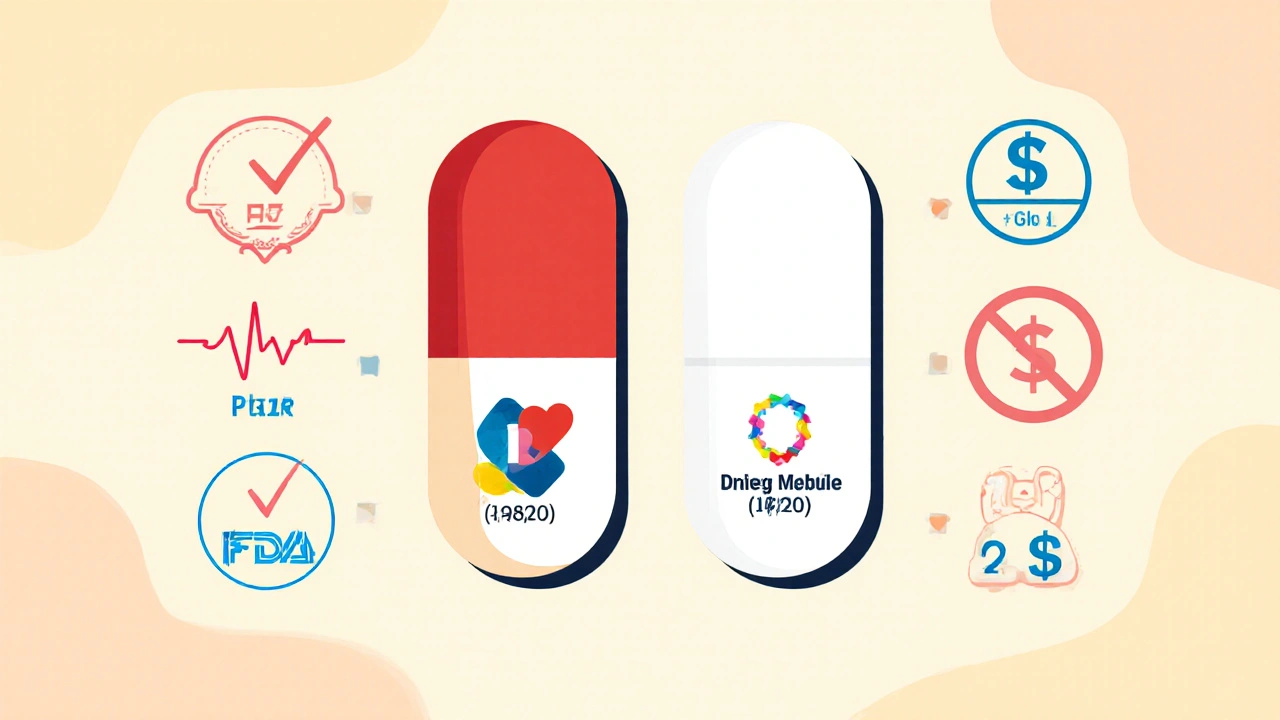
Generic vs Brand Medications: What You Really Need to Know
When you pick up a prescription, you might see two options: a generic drug, a medication with the same active ingredient as a brand-name drug, approved by regulators after the original patent expires. Also known as generic equivalent, it works the same way in your body but usually costs far less. Or you might get the brand name drug, the original version developed by a pharmaceutical company, often protected by patents and sold under a trademark. Also known as originator drug, it’s the one you see advertised on TV or recommended by your doctor. The big question isn’t whether they’re different—it’s whether that difference matters to you.
Here’s the truth: both types must meet the same strict standards for safety, strength, purity, and how fast they’re absorbed. The FDA doesn’t allow a generic to hit shelves unless it performs just like the brand. But here’s what’s not always said: some people notice small differences in how they feel. Not because the active ingredient changes, but because of fillers, dyes, or how the pill breaks down in your stomach. A 2021 study tracking 1,200 patients on generic vs brand versions of seizure meds found a small group reported changes in side effects—mostly due to inactive ingredients, not the medicine itself. That’s why some doctors still recommend sticking with one version, especially for drugs with narrow therapeutic windows, like warfarin or thyroid meds.
Cost is where the real difference shows up. A brand-name drug can cost 10 to 20 times more than its generic. Take lisinopril: the brand Zestril might run $150 for a month’s supply. The generic? Under $5. That’s not a marketing trick—it’s how the system works. Once a patent expires, other companies can make the same drug without spending millions on research. The savings go straight to your wallet, your insurance, and the healthcare system. But don’t assume all generics are created equal. Some manufacturers produce higher-quality versions, and pharmacies sometimes switch suppliers without telling you. If you notice a change in how you feel after switching, talk to your pharmacist. They can tell you if the maker changed.
And then there’s the legal side. Companies that make generics use something called a Paragraph IV certification, a legal tool under the Hatch-Waxman Act that lets them challenge a brand’s patent before the drug becomes available. This is how generics enter the market faster and drive down prices. It’s not shady—it’s how competition works in medicine. But it also means some brand-name drugs stay expensive longer than you think, even after their patent should’ve expired.
For most people, switching to generic is safe, smart, and saves money. But for conditions where tiny changes in drug levels matter—like epilepsy, heart rhythm issues, or immune suppression—sticking with one version, brand or generic, helps avoid surprises. If you’re on a medication that’s critical to your health, ask your doctor: "Is there a reason I should stay on the brand?" Don’t assume it’s just about cost. Sometimes, it’s about consistency.
Below, you’ll find real stories and data from people who’ve switched, struggled, or saved money by choosing generics. We’ve also covered the hidden risks, the sneaky interactions, and the cases where brand really does make a difference. Whether you’re managing blood pressure, depression, or thyroid levels, these posts give you the facts—not the hype.