Signs and Symptoms of Medication Overdose You Should Recognize
 Mar, 23 2026
Knowing the signs of a medication overdose can mean the difference between life and death. Whether it’s a prescription painkiller, an over-the-counter pain reliever, or an illicit drug, taking too much can shut down your breathing, stop your heart, or cause irreversible brain damage-all within minutes. You don’t need to be a doctor to spot the warning signs. If you’re taking medication regularly, caring for someone who does, or even just know someone who uses drugs, this is information that could save a life.
What Happens During a Medication Overdose?
An overdose isn’t always intentional. Many happen because someone took more than prescribed, mixed medications without knowing the risks, or took a pill they thought was safe but was laced with something deadly. In 2022, over 107,000 people in the U.S. died from drug overdoses. Synthetic opioids like fentanyl were involved in more than 80% of those deaths. Fentanyl is 50 to 100 times stronger than morphine, and just two milligrams can kill an adult. It’s often hidden in counterfeit pills that look like oxycodone or Xanax. People don’t even know they’re taking it.General Warning Signs Across All Overdoses
No matter the drug, there are key signs that something is seriously wrong. These are the red flags you should never ignore:- Unresponsiveness - The person can’t be woken up, even when you shake them hard or shout their name.
- Shallow or stopped breathing - Breathing is slower than 8 breaths per minute, or it stops entirely. You might hear gurgling or snoring sounds, which means air is struggling to pass through a blocked airway.
- Blue lips or fingernails - This is called cyanosis. It means your body isn’t getting enough oxygen. Skin may also turn pale or clammy.
- Confusion or extreme drowsiness - They may be awake but can’t answer simple questions, or they’re slumped over and can’t stay alert.
- Vomiting while unconscious - This is especially dangerous. If they’re passed out and throw up, they can choke. Their body loses the reflex to protect the airway.
- Seizures - Sudden, uncontrolled shaking or twitching can happen with stimulant or alcohol overdoses.
These signs don’t always appear all at once. But if you see even one or two, especially with unresponsiveness or breathing trouble, act immediately.
Signs by Drug Type
Different drugs affect the body in different ways. Recognizing the pattern can help you respond faster.Opioid Overdose (Heroin, Fentanyl, Oxycodone, Codeine)
Opioids slow down your brain’s control of breathing. The classic trio of symptoms is called the Opioid Triad:- Pinpoint pupils - Pupils shrink to the size of a pinhead, even in dim light.
- Unconsciousness - The person can’t be roused, even with pain or loud noise.
- Slow or stopped breathing - Less than 12 breaths per minute. In fatal cases, breathing stops completely.
Other signs include limp limbs, cold skin, and a slow or irregular pulse. If someone has been sober for a few days and then uses again, their tolerance drops. They might take the same dose they used to, but now it’s lethal. This is why relapse is one of the biggest causes of fatal overdoses.
Stimulant Overdose (Cocaine, Methamphetamine, Adderall)
Stimulants overwork the heart and nervous system. Symptoms include:- Extreme agitation or paranoia - They might be yelling, pacing, or acting violently.
- High body temperature - Over 104°F (40°C). Skin feels hot and dry.
- Fast, irregular heartbeat - Pulse may exceed 120 beats per minute.
- Seizures - About 1 in 3 stimulant overdoses leads to seizures.
- High blood pressure - Systolic pressure above 180 mmHg.
People often think stimulants are "safer" because they don’t cause breathing to stop like opioids. But heart attacks and strokes from stimulant overdoses are just as deadly.
Depressant Overdose (Alcohol, Benzodiazepines, Barbiturates)
These drugs calm the brain and nervous system. Too much shuts them down entirely:- Slurred speech - Like someone is drunk, but worse.
- Lack of coordination - They can’t walk in a straight line or hold objects.
- Slow breathing - Less than 8 breaths per minute.
- Unconsciousness - Especially dangerous if they vomit while passed out.
- Low body temperature - Skin feels cold, even in a warm room.
Alcohol poisoning is a common form of depressant overdose. Vomiting while unconscious is the leading cause of death in these cases. If someone is passed out after drinking, don’t assume they’re just sleeping. They could be dying.
Polysubstance Overdose (Mixing Drugs)
More than half of all overdose deaths in 2022 involved more than one drug. Mixing opioids with alcohol or benzodiazepines? Deadly. Taking stimulants with opioids? That’s a dangerous combo too. The effects aren’t just added-they multiply. Symptoms become unpredictable. Someone might look like they’re having an opioid overdose but also have a racing heart and seizures from stimulants. This makes it harder for emergency responders to treat. But the response is the same: call for help immediately.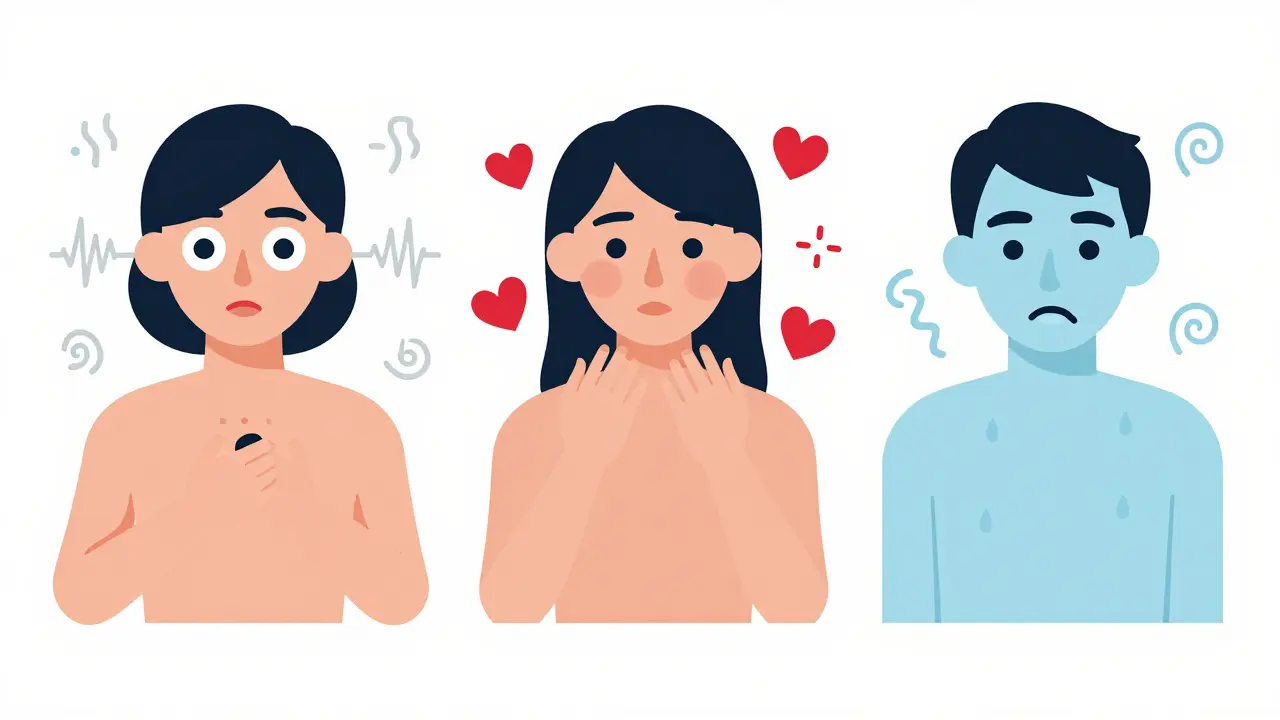
What to Do If You Suspect an Overdose
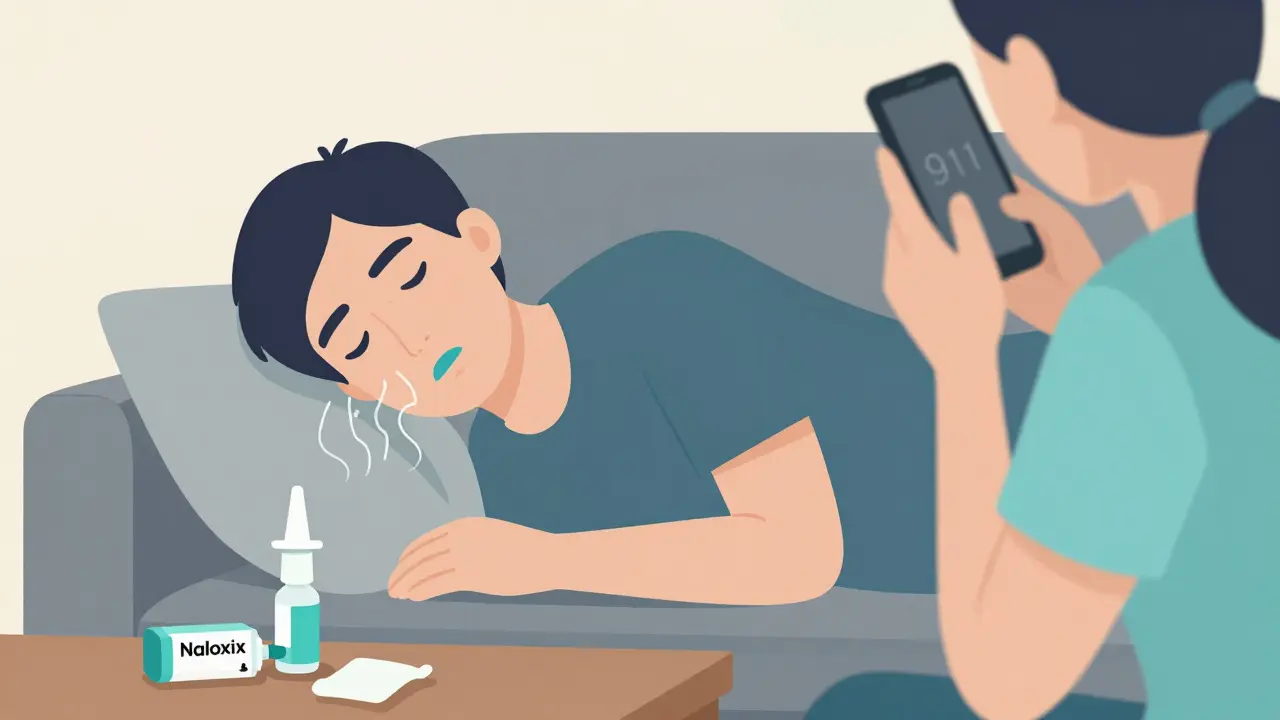
Time is everything. Every minute without oxygen can cause brain damage. Here’s what to do:- Call emergency services - In Australia, dial 000. In the U.S., dial 911. Don’t wait. Don’t think they’ll "sleep it off." That’s a myth that kills.
- Check breathing - If they’re not breathing or breathing very shallowly, start rescue breathing if you know how. Tilt the head back, lift the chin, and give one breath every 5 seconds.
- Administer naloxone if available - Naloxone (Narcan) reverses opioid overdoses. It’s safe, even if you’re not sure it’s an opioid overdose. Use the nasal spray: one spray in each nostril. Wait 2-3 minutes. If they don’t wake up, give a second dose. Keep giving doses every 2-3 minutes until help arrives.
- Place them on their side - This is called the recovery position. It stops them from choking if they vomit. Bend the top knee and place it on the floor, then gently roll them onto their side, with their head tilted back.
- Stay with them - Even if they wake up, they can crash again. Stay until paramedics take over.
Never leave someone alone. Never put them in a bath or shower. Never try to make them vomit. These myths can make things worse.
Why Naloxone Matters
Naloxone is the most effective tool we have to reverse opioid overdoses. The CDC says if given within 2-3 minutes, it reverses overdoses in 85% of cases. Since March 2023, naloxone nasal spray has been available over the counter in the U.S. without a prescription. It costs about $40-$50 per kit. Many pharmacies, community centers, and health clinics give it out for free.It’s not just for people who use drugs. If you live with someone on opioids, work in a care facility, or just want to be prepared, keep naloxone on hand. It’s simple. It’s safe. And it works.
Prevention Is Possible
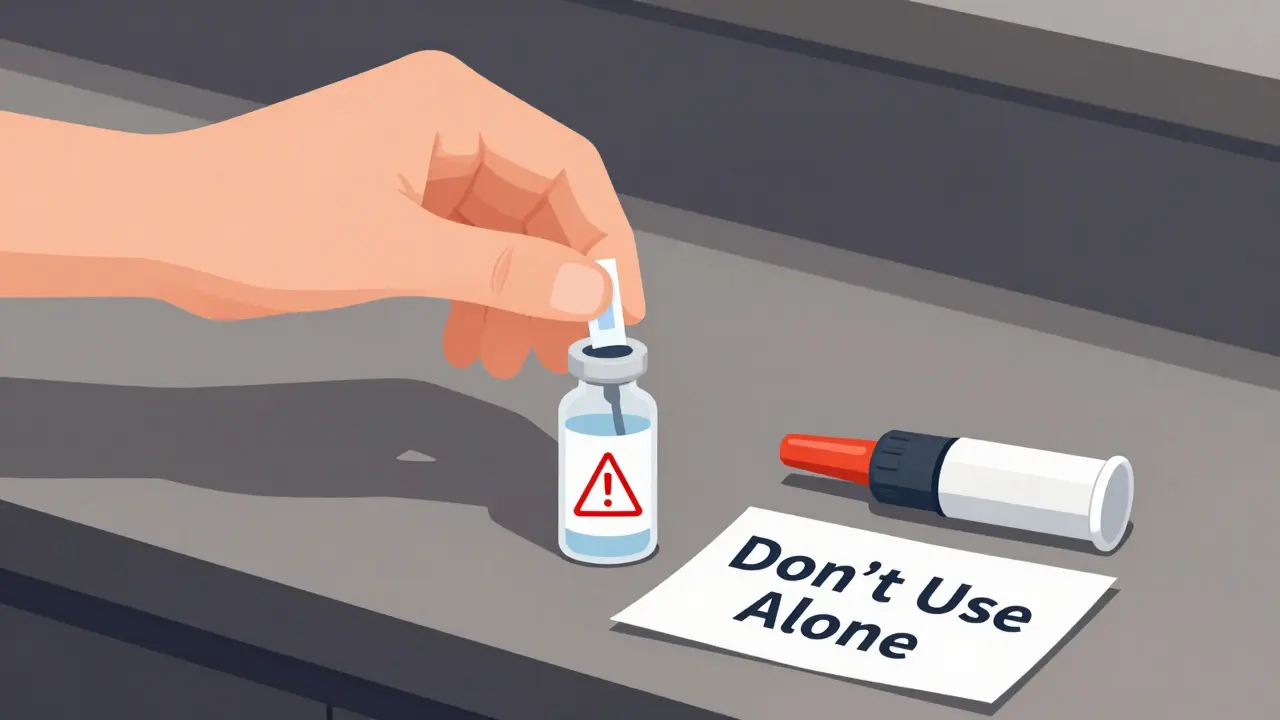
The best way to prevent overdose is to avoid mixing drugs, know what you’re taking, and never use alone. Fentanyl test strips can detect if a pill or powder contains fentanyl. They’re cheap, easy to use, and available online or at harm reduction centers. If a test is positive, don’t use it. If you must, use less and have naloxone ready.Many states and countries have "Good Samaritan" laws that protect people who call 911 during an overdose. You won’t get arrested for possessing drugs if you’re trying to save a life. These laws have increased 911 calls by 27% in places where they’re enforced.
What Not to Do
There are dangerous myths that still circulate:- "Let them sleep it off." - This causes 29% of fatal overdoses. If they’re unresponsive, they’re not sleeping. They’re dying.
- "Cold shower will wake them up." - Cold water can cause shock or hypothermia. It won’t help.
- "Coffee or walking will fix it." - Nothing outside medical help works. Don’t waste time.
- "It’s their fault." - Overdose is a medical emergency, not a moral failure. Compassion saves lives.
Final Thought
You don’t need to be an expert to save a life. You just need to know the signs, know what to do, and act without hesitation. Medication overdose is not rare. It’s happening in homes, parks, workplaces, and hospitals every day. If you remember one thing, remember this: if someone is unresponsive and not breathing normally, call for help, give naloxone if you have it, and keep them on their side. Those steps can bring them back from the edge.Can you overdose on over-the-counter medications?
Yes. Common painkillers like acetaminophen (Tylenol) and ibuprofen (Advil) can cause overdose if taken in large amounts. Acetaminophen overdose is the leading cause of acute liver failure in the U.S. Just 10 grams (about 20 regular-strength pills) can be deadly. Symptoms include nausea, vomiting, abdominal pain, and jaundice. Always follow dosage instructions and never mix medications without checking with a pharmacist.
Is naloxone safe to use if I’m not sure it’s an opioid overdose?
Yes. Naloxone only works on opioids and has no effect on other drugs like alcohol, stimulants, or benzodiazepines. If someone is unresponsive and you suspect an overdose, giving naloxone won’t hurt them-even if they didn’t take opioids. It’s a low-risk, high-reward intervention. The risk of not acting is far greater.
How long does naloxone last, and can the overdose return after it wears off?
Naloxone typically lasts 30 to 90 minutes. But many opioids, especially fentanyl, last much longer. That means the person can stop breathing again after naloxone wears off. That’s why you must call emergency services even after giving naloxone. They need to be monitored for at least 2 hours. Multiple doses of naloxone are often needed for strong opioids like fentanyl.
Can you overdose on prescription medications even if you take them as directed?
Yes. Some people develop tolerance and need higher doses over time. Others have liver or kidney problems that slow how their body processes the drug. Mixing medications-like opioids with sleep aids or anxiety meds-can also cause dangerous interactions. Always tell your doctor about every medication and supplement you’re taking. If you feel unusually drowsy, confused, or short of breath, seek help immediately.
Where can I get naloxone for free?
In Australia, naloxone is available without a prescription at pharmacies, and many community health centers offer it for free. In the U.S., it’s available at most pharmacies without a prescription. Organizations like the Harm Reduction Coalition and local public health departments often distribute naloxone kits for free. Check with your local health department or search online for "free naloxone near me."
Marissa Staples
March 24, 2026 AT 16:07Rachele Tycksen
March 25, 2026 AT 19:21Grace Kusta Nasralla
March 27, 2026 AT 14:34Korn Deno
March 28, 2026 AT 22:59Aaron Sims
March 30, 2026 AT 03:49Stephen Alabi
March 30, 2026 AT 22:41Agbogla Bischof
March 31, 2026 AT 20:55Anil Arekar
April 2, 2026 AT 20:03Raphael Schwartz
April 4, 2026 AT 16:04winnipeg whitegloves
April 5, 2026 AT 22:31Pat Fur
April 7, 2026 AT 03:06