Pricing Pressure and Shortages: How Supply Chain Crises Are Reshaping Health Costs
 Jan, 29 2026
When medicines disappear and prices spike
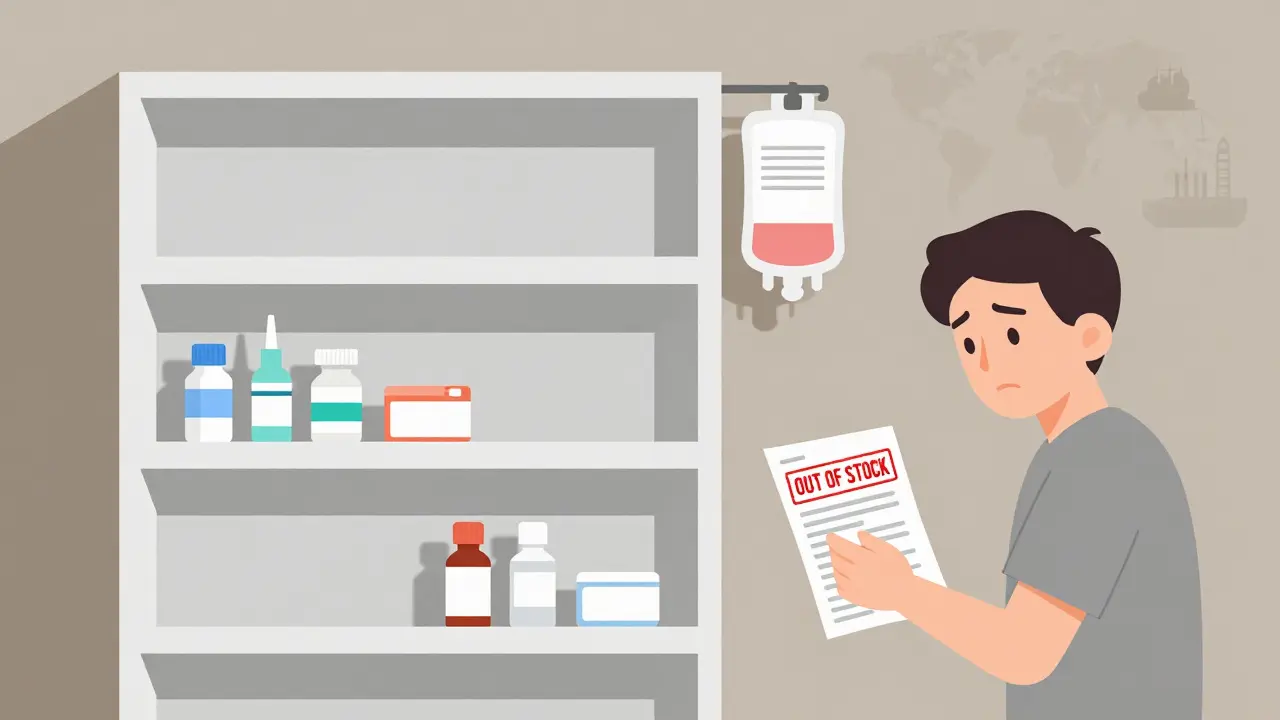
It started with insulin. Then came the antibiotics. By late 2021, hospital pharmacies in Melbourne were rationing basic painkillers. Patients waited weeks for prescriptions that used to be filled in a day. This wasn’t a local glitch-it was part of a global pattern. Pricing pressure and shortages in healthcare aren’t just inconvenient. They’re economic events that hit families, hospitals, and governments all at once.
When supply chains break, prices don’t just go up-they go wild. In 2021, the cost of generic antibiotics like amoxicillin jumped 40% in Australia after a key manufacturing plant in India shut down due to power shortages. At the same time, demand for these drugs surged as post-pandemic infections climbed. The result? Empty shelves and out-of-pocket costs that forced people to skip doses. This isn’t rare. The San Francisco Federal Reserve found that supply chain disruptions contributed nearly 60% of the inflation spike in U.S. goods between 2021 and 2022. Healthcare products? Even worse.
Why health supplies are more fragile than you think
Healthcare supply chains aren’t like buying coffee or electronics. They’re built on tight margins, single-source suppliers, and strict regulations. One factory, one shipment delay, one regulatory hold-and a whole class of drugs vanishes. In 2022, a fire at a single U.S. plant producing sterile injectables caused shortages of 17 critical medications, including those used in emergency rooms and cancer treatment. Hospitals scrambled. Some switched to costlier alternatives. Others delayed surgeries.
Why does this happen? Because for decades, efficiency was king. Companies cut inventory to the bone, relying on just-in-time delivery. That worked fine when global trade flowed smoothly. But when the pandemic hit, ports backed up, truck drivers disappeared, and shipping costs tripled. The Global Supply Chain Pressure Index (GSCPI) hit a record 3.88 in December 2021-up from 0.15 before the pandemic. For health products, that meant delays of 60 to 90 days. Not weeks. Months.
And it’s not just manufacturing. Labor shortages hit healthcare hard. Nurses, pharmacists, and warehouse workers left the industry during the pandemic. The U.S. labor force participation rate in healthcare remained 1.5 percentage points below pre-pandemic levels through mid-2022. That meant fewer people to pack, ship, and deliver drugs. The result? A perfect storm: less supply, more demand, and no way to adjust quickly.
The hidden cost: inflation you can’t see
When a drug becomes scarce, prices don’t just rise-they explode. Why? Because there’s no market mechanism to balance supply and demand. When a product is essential-like insulin, blood pressure meds, or chemotherapy drugs-people will pay anything. And suppliers know it.
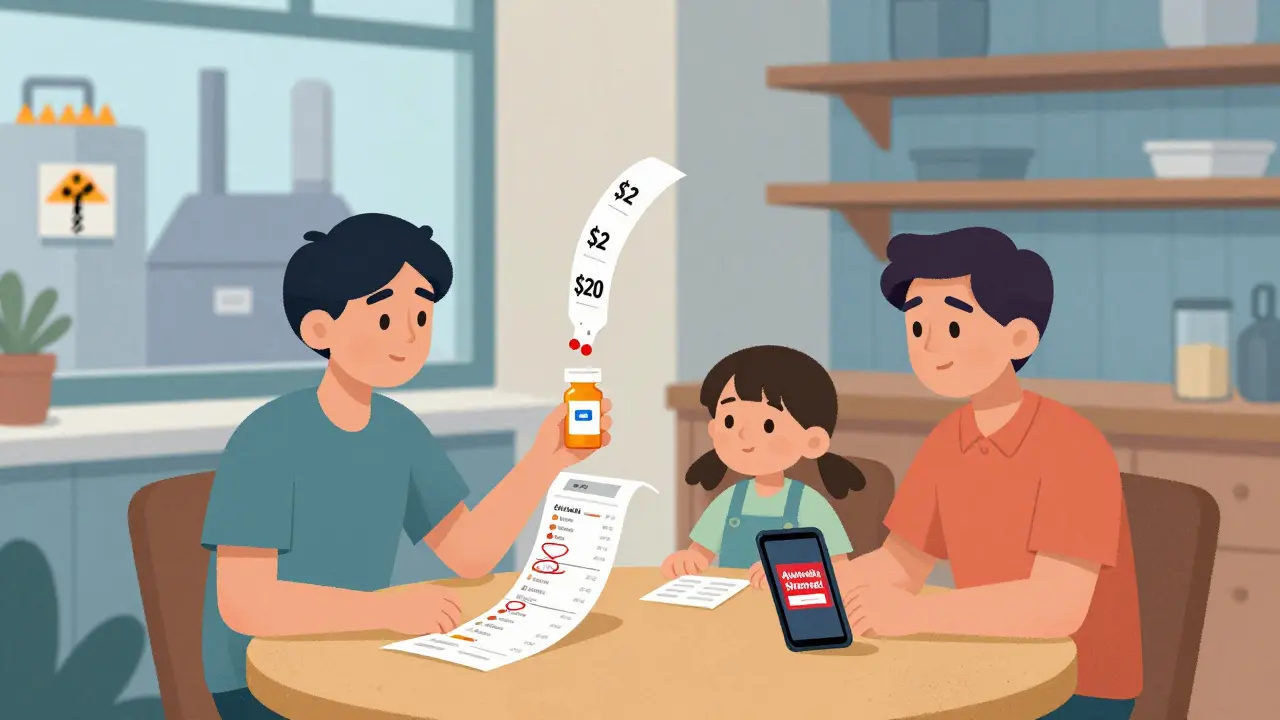
The Cleveland Federal Reserve found that supply shocks raise prices about five times more than demand shocks. A shortage of a single active ingredient can push the price of a generic pill from $2 to $20. In Australia, the PBS (Pharmaceutical Benefits Scheme) had to approve emergency price increases for 12 medications in 2022 after global shortages made it impossible to source them at old rates. Patients didn’t pay the full increase-government subsidies absorbed part of it. But that meant less money for other drugs. The system was forced to choose: which life-saving medicine gets funded this month?
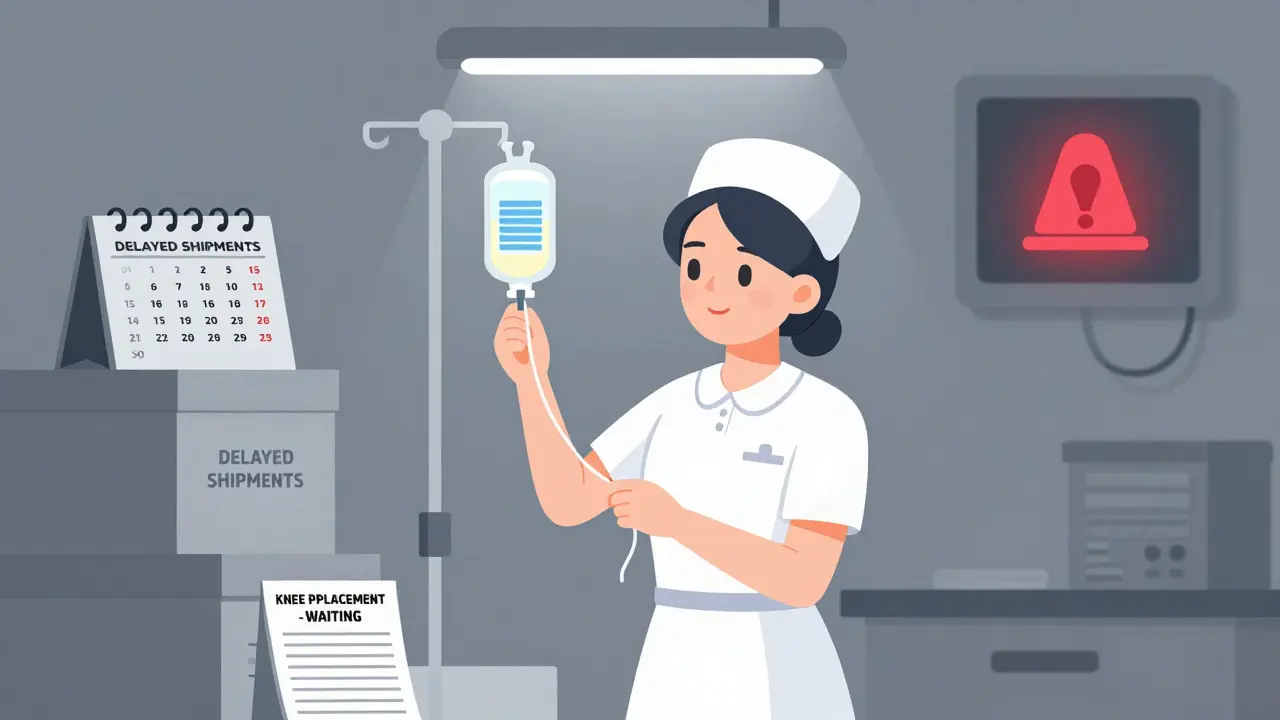
And it’s not just drugs. Medical devices are just as vulnerable. In 2021, a shortage of IV bags-used in nearly every hospital procedure-led to rationing in Australian emergency departments. Nurses had to reuse bags after sterilization. Hospitals delayed non-urgent procedures. The cost? Not just in dollars. In delayed care. In risk. In stress.
Price controls make shortages worse
When prices rise too fast, governments step in. They cap prices. They freeze costs. It seems fair. But it backfires.
In the UK, the government imposed an energy price cap in 2021 to protect households. But it meant energy companies couldn’t pass on rising wholesale costs. Twenty-seven small providers went bankrupt. The same thing happened in healthcare. When Australia’s PBS capped the price of a generic antibiotic, manufacturers stopped making it. Why? Because the price didn’t cover the cost of shipping, compliance, or raw materials. The drug vanished from shelves.
Harvard economist Martin Weitzman showed this pattern clearly: when prices are held artificially low, people panic-buy. They stockpile. They hoard. That makes the shortage worse. A Reddit thread from September 2021, with over 2,400 upvotes, described how Tesco customers in the UK cleared out entire freezer sections of insulin because they feared it would disappear. The same thing happened in Australia with metformin. People bought 3-month supplies. Pharmacists ran out. The people who needed it most-those without savings, those without backup plans-got nothing.
Who pays the price?
It’s not the pharmaceutical companies. They’re adjusting. Some are shifting production to Vietnam or Mexico. Others are building stockpiles. A few are raising prices to cover costs. But the real pain is felt by patients, caregivers, and public health systems.
Low-income families are hit hardest. A 2022 University of Michigan survey found that 58% of U.S. households reported being unable to buy something they needed due to shortages. In Australia, a similar survey showed that 41% of pensioners skipped doses of chronic disease medications because they couldn’t afford the co-payment after a price surge. That’s not a statistic. That’s someone choosing between food and their blood pressure pill.
Hospitals are drowning too. A 2022 survey of Australian hospitals found that 73% had delayed at least one procedure due to lack of supplies. One Melbourne hospital postponed 140 knee replacements in six months because they couldn’t get the sterile implants. The cost? Not just in lost revenue. In pain. In lost mobility. In long-term disability.
What’s being done-and what’s not
Some solutions are working. Companies that diversified their supplier base saw 35% fewer disruptions, according to a McKinsey study of 500 global firms. Hospitals that built 6-month stockpiles of critical drugs avoided the worst of the shortages. Australia’s Therapeutic Goods Administration (TGA) started fast-tracking approvals for alternative suppliers. That helped.
But systemic fixes are slow. Governments still rely on price caps. They still ignore labor shortages in logistics and manufacturing. They still assume that if a drug is cheap now, it’ll always be cheap. That’s dangerous thinking.
The European Central Bank suggested relaxing competition rules during crises. Germany did it in 2021 and cut pharmaceutical shortages by 19% in six weeks. Why? Because it let companies share production capacity. That’s not anti-competitive. It’s survival.
And then there’s digital transformation. Gartner predicts that by 2025, 60% of major health suppliers will use digital twin technology to simulate supply chain disruptions before they happen. That’s the future. But right now, most health systems are still using spreadsheets from 2015.
What you can do
As a patient, you can’t fix global supply chains. But you can protect yourself.
- Ask about alternatives. If your usual medication is unavailable, ask your pharmacist or doctor for a generic or equivalent. Many are just as effective.
- Don’t stockpile. Buying extra pills doesn’t help. It hurts others. Only take what you need.
- Check the PBS website. Australia’s Pharmaceutical Benefits Scheme updates shortage alerts regularly. Sign up for notifications.
- Support policies that build resilience. Vote for leaders who invest in local manufacturing, workforce training, and supply chain diversity-not just price controls.
The truth is, we’ve been lucky. For decades, life-saving drugs were cheap and plentiful. That wasn’t because of magic. It was because the system worked. But it was fragile. And now we’re seeing what happens when that system cracks.
Healthcare shortages aren’t accidents. They’re economic failures. And fixing them means accepting that some things-like insulin, antibiotics, and IV fluids-can’t be treated like commodities. They’re lifelines. And lifelines need protection, not profit maximization.
Frequently Asked Questions
Why do drug shortages happen even when there’s enough supply globally?
Global supply doesn’t mean local availability. Many drugs are made in one or two factories. If a fire, flood, or regulatory issue shuts down that plant, there’s no backup. Shipping delays, labor shortages, and customs holds can also block shipments even if the product exists somewhere in the world. It’s like having food in another country but no trucks to bring it to your kitchen.
Can governments prevent drug shortages by controlling prices?
Price controls often make shortages worse. When manufacturers can’t cover rising costs-like shipping, raw materials, or compliance-they stop making the drug. In Australia and the UK, price caps led to 27 pharmaceutical companies exiting the market in 2021-2022. The result? Fewer options, not more. The solution isn’t freezing prices-it’s ensuring manufacturers can make a sustainable profit while keeping drugs affordable.
Are generic drugs more likely to be in short supply than brand-name drugs?
Yes. Generic drugs have razor-thin profit margins, so manufacturers cut corners on inventory and rely on single suppliers. Brand-name drugs often have multiple production sites and higher margins, so companies can absorb disruptions better. That’s why you’re more likely to see shortages of common generics like metformin or amoxicillin than of newer, expensive brand-name drugs.
How long will these shortages last?
The worst of the pandemic-era disruptions ended in 2023, but new risks are emerging. Geopolitical tensions, climate events, and labor shortages in key manufacturing countries mean supply chains won’t return to pre-2020 levels. The International Monetary Fund expects supply chain pressures to stay 15-20% above normal through 2025. Shortages may become more frequent-but less extreme-if systems adapt.
What’s being done in Australia to fix this?
Australia’s Therapeutic Goods Administration (TGA) now monitors global shortages and fast-tracks approvals for alternative suppliers. The government has also funded local production of critical injectables and is investing in digital tracking systems for drug inventory. But progress is slow. Most hospitals still rely on manual reporting. Real change requires more funding, better data sharing, and stronger incentives for manufacturers to build redundancy into their supply chains.
What comes next?
If you’re a patient, keep asking questions. If you’re a caregiver, keep advocating. If you’re a policymaker, remember: health isn’t a market. It’s a human right. And rights need protection-not just price tags.
The next crisis won’t be a pandemic. It’ll be a heatwave that shuts down a power plant in India. Or a trade ban that cuts off rare earth metals used in medical devices. Or a labor strike in a port that delays shipments for months.
We can’t predict the next shock. But we can build systems that don’t collapse when it hits.
Gaurav Meena
January 31, 2026 AT 06:45Jodi Olson
January 31, 2026 AT 09:31Amy Insalaco
February 1, 2026 AT 18:14Sarah Blevins
February 1, 2026 AT 23:24Sheila Garfield
February 2, 2026 AT 06:13Russ Kelemen
February 4, 2026 AT 03:21Diksha Srivastava
February 5, 2026 AT 07:13Beth Beltway
February 5, 2026 AT 20:23Marc Bains
February 7, 2026 AT 18:31Mike Rose
February 9, 2026 AT 13:22Shawn Peck
February 10, 2026 AT 18:18Katie and Nathan Milburn
February 12, 2026 AT 12:48