Medications That Change Your Sense of Smell: What You Need to Know About Dysosmia
 Dec, 21 2025
Dysosmia Recovery Estimator
Medication Risk Assessment
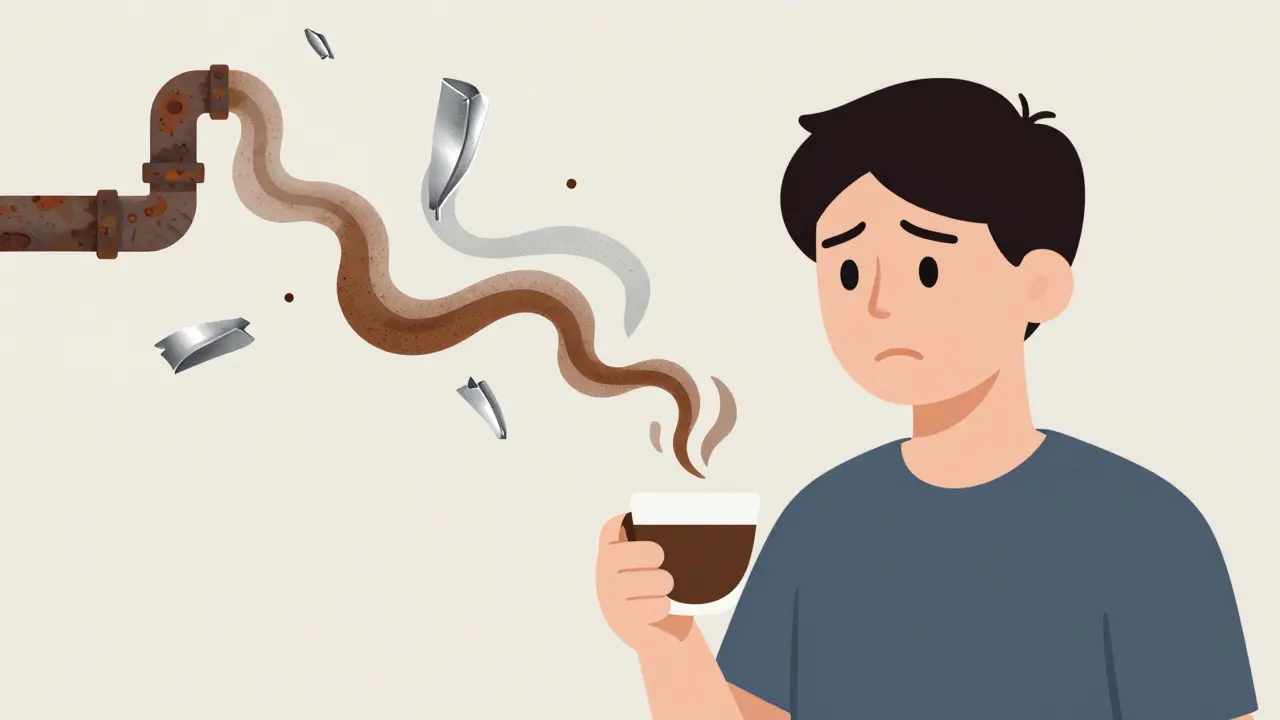
Have you ever taken a medication and suddenly noticed that your favorite coffee tastes like metal, or that bread smells like rotting garbage? You’re not imagining it. This isn’t just a weird coincidence-it’s a real, documented side effect called dysosmia. It’s when your sense of smell gets distorted, turning pleasant scents into unpleasant ones-or making you smell things that aren’t even there. And it’s more common than you think.
What Exactly Is Dysosmia?
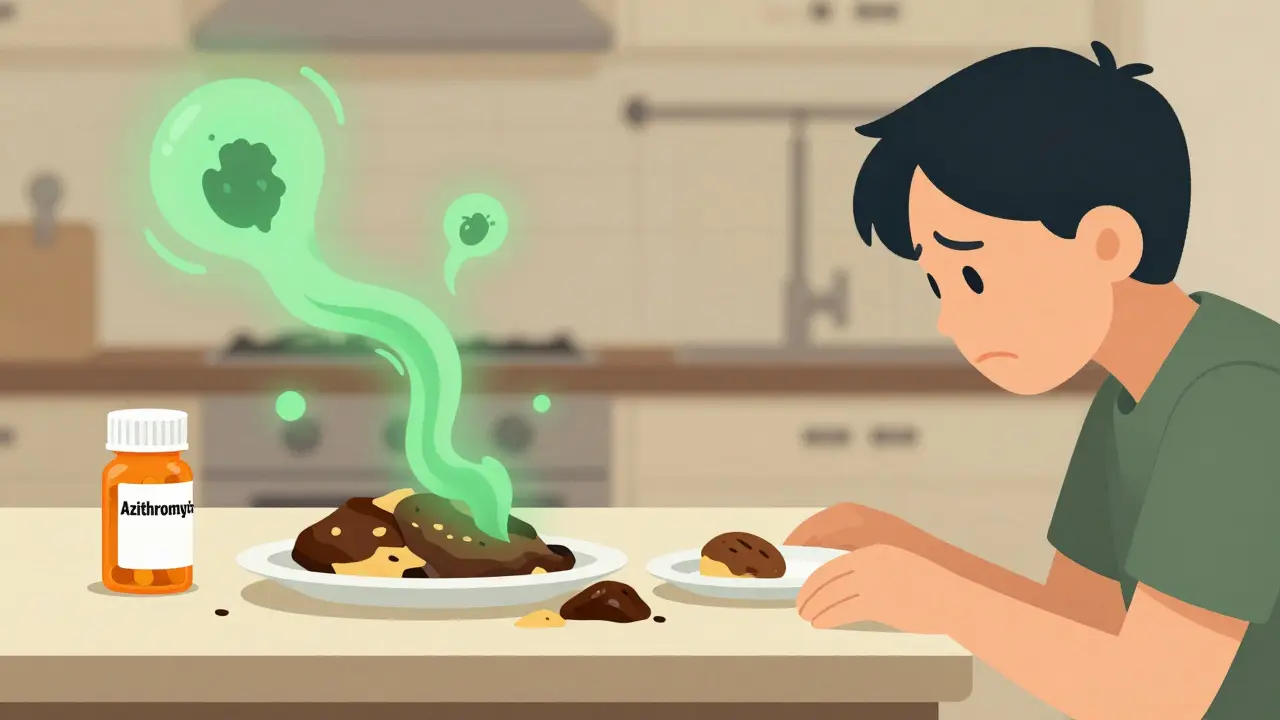
Dysosmia isn’t just losing your sense of smell-that’s called anosmia. Dysosmia means your nose is still working, but it’s lying to you. A fresh apple might smell like burnt plastic. Your own breath might smell like sewage. You might catch whiffs of cigarette smoke when no one’s smoking. Or worse-you might not smell anything at all when gas is leaking, or food has gone bad.
This isn’t just annoying. It’s dangerous. People with dysosmia often stop eating because food tastes awful. Studies show up to 30% of those affected lose significant weight. One woman lost 8 pounds in three weeks after starting levofloxacin. Another lost 15% of her body weight over four months after taking azithromycin. When your sense of smell breaks, your appetite goes with it-and so does your health.
Which Medications Cause This?
Over 500 medications have been linked to smell and taste changes. But some are far more likely to cause problems than others. The biggest culprits fall into a few key categories:
- Antibiotics: Azithromycin, clarithromycin, doxycycline, levofloxacin, and moxifloxacin are the most common offenders. These drugs interfere with zinc and other minerals your olfactory cells need to function. Symptoms often show up within 7-14 days of starting the medication.
- Cardiovascular drugs: Midodrine, used for low blood pressure, is known to trigger metallic tastes and distorted smells. It affects nerve signaling in the nose and mouth.
- Neurological medications: Carbamazepine (for seizures) and baclofen (for muscle spasms) can cause severe taste and smell loss. Some patients report complete loss of taste alongside smell distortion.
- Intravenous drugs: Iron infusions, lidocaine, and ropivacaine can cause instant metallic tastes-sometimes within seconds of being injected.
It’s not just the drug itself-it’s how it’s given. Oral pills cause slower, more gradual changes. IV drugs hit fast and hard. And once the damage is done, it doesn’t always go away when you stop the medication.
Why Does This Happen?
Your nose doesn’t just detect smells-it’s a complex chemical system. Odor molecules bind to receptors on nerve cells in your nasal lining. These cells send signals to your brain, which says, “That’s coffee,” or “That’s rotten eggs.”
Medications mess with this system in several ways:
- Blocking receptors: Some drugs physically block odor molecules from attaching to their receptors.
- Disrupting signaling: Others interfere with the electrical signals that travel from your nose to your brain-like cutting wires in a phone line.
- Sticking receptors on: This is the weirdest part. Some drugs prevent the receptors from turning off. So even after the smell is gone, your brain keeps getting the signal. That’s why you smell smoke all day-even when there’s none.
- Reducing cell repair: Antibiotics like doxycycline and levofloxacin pull zinc out of your nasal cells. Zinc is needed for those cells to regenerate. No zinc? No new smell sensors. Your nose can’t heal itself.
It’s not random. It’s biology. And that’s why some people get it and others don’t-even on the same drug.
How Long Does It Last?
The good news? Most cases get better. Studies show 78% of people recover within three months after stopping the medication. But 22% don’t. And for some, it lasts years.
Reddit forums are full of stories like this: “Took azithromycin in 2022. Still can’t eat meat. Everything tastes like rotting eggs.” One user, AnosmiaSurvivor92, described a 22-month struggle. Another said they couldn’t smell their own child’s hair after starting an antibiotic.
Recovery depends on how badly the cells were damaged. If it’s just temporary signaling chaos, your nose can reset. If the cells died and didn’t regenerate, you’re stuck with it-unless something new comes along.
What Can You Do About It?
First: don’t panic. Don’t stop your medication without talking to your doctor. Some drugs-like antibiotics for serious infections-are essential.
Second: track it. When did the smell change start? What exactly changed? Did it happen after a new pill? A new IV? Write it down. This helps your doctor connect the dots.
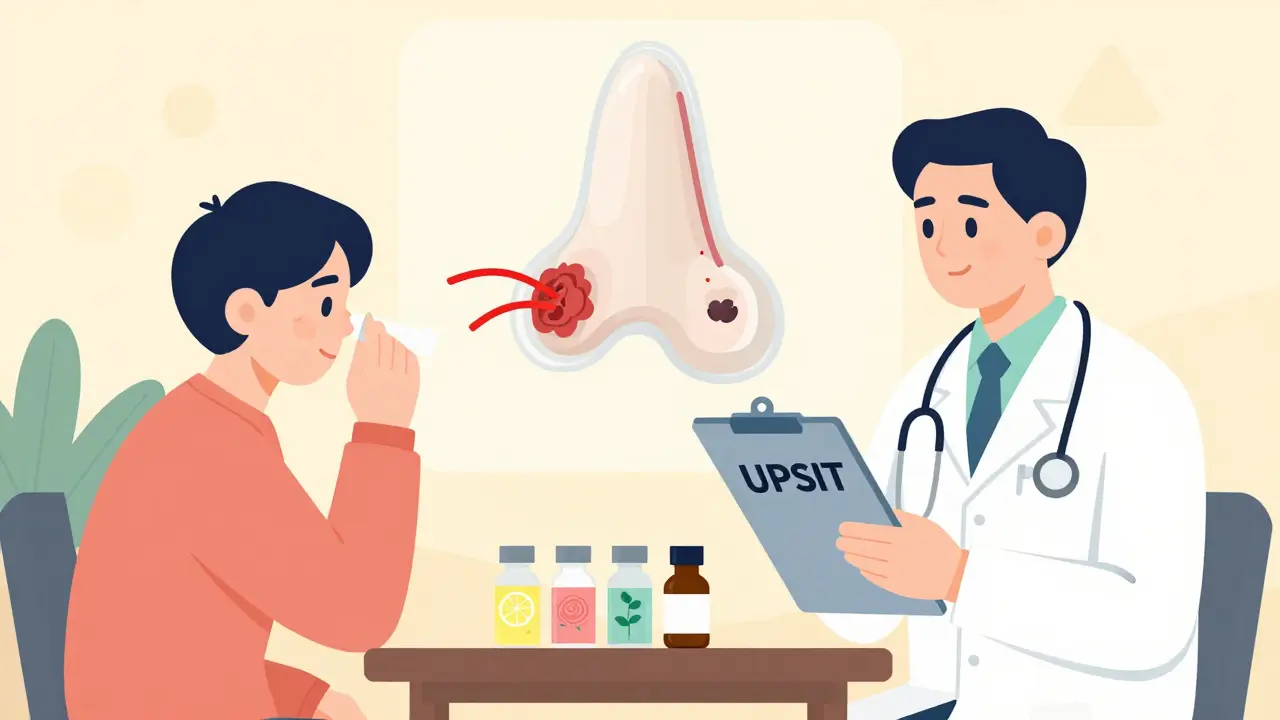
Third: ask for help. Most doctors don’t ask about smell changes. A 2022 survey found only 37% of primary care doctors routinely check for this. But specialists-like ENTs and smell disorder clinics-do. Ask for the University of Pennsylvania Smell Identification Test (UPSIT). It’s a simple sniff test that can confirm if your smell is truly impaired.
There’s no magic pill yet. But some treatments show promise:
- Zinc supplements might help-if you’re deficient. But don’t take them blindly. Too much zinc can cause copper deficiency and make things worse.
- Theophylline, a drug used for asthma, has been shown in small studies to restore smell in some cases by reactivating olfactory receptors.
- Mirtazapine, an antidepressant, helped one patient recover taste within days. It’s not for everyone, but it’s being studied.
- Smell training: Sniffing strong scents like rose, lemon, eucalyptus, and cloves twice a day for months can help retrain your brain. It’s slow, but it works for some.
And yes-there are clinical trials going on right now. A new drug targeting the TRPM5 channel (a key player in taste/smell signaling) is in Phase II testing. It could be the first treatment designed specifically for medication-induced dysosmia.
What You Should Ask Your Doctor
If you’re on any of these meds and notice smell changes, ask:
- “Could this medication be causing my smell or taste changes?”
- “Is there a similar drug that doesn’t have this side effect?”
- “Should I get a smell test?”
- “Are there any supplements or treatments that might help?”
- “If I stop this, how long should I wait to see if my smell comes back?”
Don’t be brushed off. This isn’t in your head. It’s real. And it’s more common than most doctors realize.
Where to Find Support
You’re not alone. Over 1,200 people have joined the Global Chemosensory Research Consortium’s registry since 2023. There are support groups-like Fifth Sense in the U.S. and U.K.-that hold monthly virtual meetings for people dealing with medication-induced smell loss. They share tips, stories, and hope.
And the tide is turning. The FDA now encourages drug makers to track smell and taste changes in clinical trials. The European Medicines Agency will require it for all new antibiotics and heart drugs starting in 2024. That means fewer people will be left in the dark.
Final Thoughts
Dysosmia isn’t just a side effect-it’s a signal. Your body is telling you something’s off. And if you’re one of the people it’s happening to, you deserve to be heard. Don’t assume it’s just “in your head.” Don’t wait for your doctor to ask. Speak up. Track your symptoms. Push for answers.
Because smell isn’t just about coffee or roses. It’s about safety. It’s about joy. It’s about knowing when food is safe to eat. It’s about remembering the scent of your child’s hair or your partner’s perfume. When that’s gone, it’s not just your nose that’s broken. It’s your quality of life.
And it’s time we started treating it like the serious medical issue it is.
Tony Du bled
December 22, 2025 AT 16:36Nader Bsyouni
December 23, 2025 AT 09:17Sai Keerthan Reddy Proddatoori
December 23, 2025 AT 12:32jenny guachamboza
December 23, 2025 AT 23:06Johnnie R. Bailey
December 25, 2025 AT 00:00Jeremy Hendriks
December 26, 2025 AT 03:30Ajay Brahmandam
December 26, 2025 AT 07:34Gabriella da Silva Mendes
December 27, 2025 AT 20:32Herman Rousseau
December 29, 2025 AT 07:00Vikrant Sura
December 29, 2025 AT 13:01Aliyu Sani
December 30, 2025 AT 11:57Kiranjit Kaur
December 30, 2025 AT 13:18Jim Brown
December 31, 2025 AT 04:28Tarun Sharma
December 31, 2025 AT 06:05