Chronic Conditions: How to Adjust to Generic Maintenance Medications
 Mar, 18 2026
Switching from a brand-name medication to a generic isn’t just about saving money-it’s about keeping your chronic condition under control without breaking the bank. If you’re managing diabetes, high blood pressure, thyroid issues, or depression, chances are you’ve been prescribed a maintenance medication. These are the drugs you take every day, sometimes for life. And if you’ve been told to switch to a generic version, you’re not alone. Generic maintenance medications now make up 85% of all prescriptions for chronic conditions in the U.S., and for most people, they work just as well as the brand-name versions.
What Exactly Are Maintenance Medications?
Maintenance medications are the backbone of chronic disease management. They’re not for quick fixes. They’re for long-term control. Think of them like brushing your teeth or wearing glasses-you need them consistently to stay healthy. Common examples include atorvastatin for cholesterol, levothyroxine for thyroid function, metformin for diabetes, lisinopril for blood pressure, and sertraline for depression. These drugs are taken daily, often for years, and are usually prescribed in 30- to 90-day supplies.
Pharmacy benefit managers define them by class: antihypertensives, antidiabetics, anticoagulants, beta blockers, thyroid meds, and more. The key is regular, ongoing use. If you miss a dose, symptoms can creep back. That’s why sticking with the right medication matters.
Why Generics Are Just as Effective
The FDA doesn’t approve generics lightly. To get the green light, a generic must deliver the same amount of active ingredient into your bloodstream at the same speed as the brand-name drug. That’s called bioequivalence. The standard? The generic’s concentration in your blood must be within 80% to 125% of the brand-name version. That’s not a wide gap-it’s a tight, scientifically proven range.
For example, generic atorvastatin (the generic for Lipitor) has the exact same active ingredient, strength, and dosage form as the brand. The only differences? The color, shape, or inactive ingredients like fillers or dyes. Those don’t affect how the drug works. In fact, studies show that 90% of all prescriptions filled in the U.S. are for generics-and 85% of those are for maintenance meds.
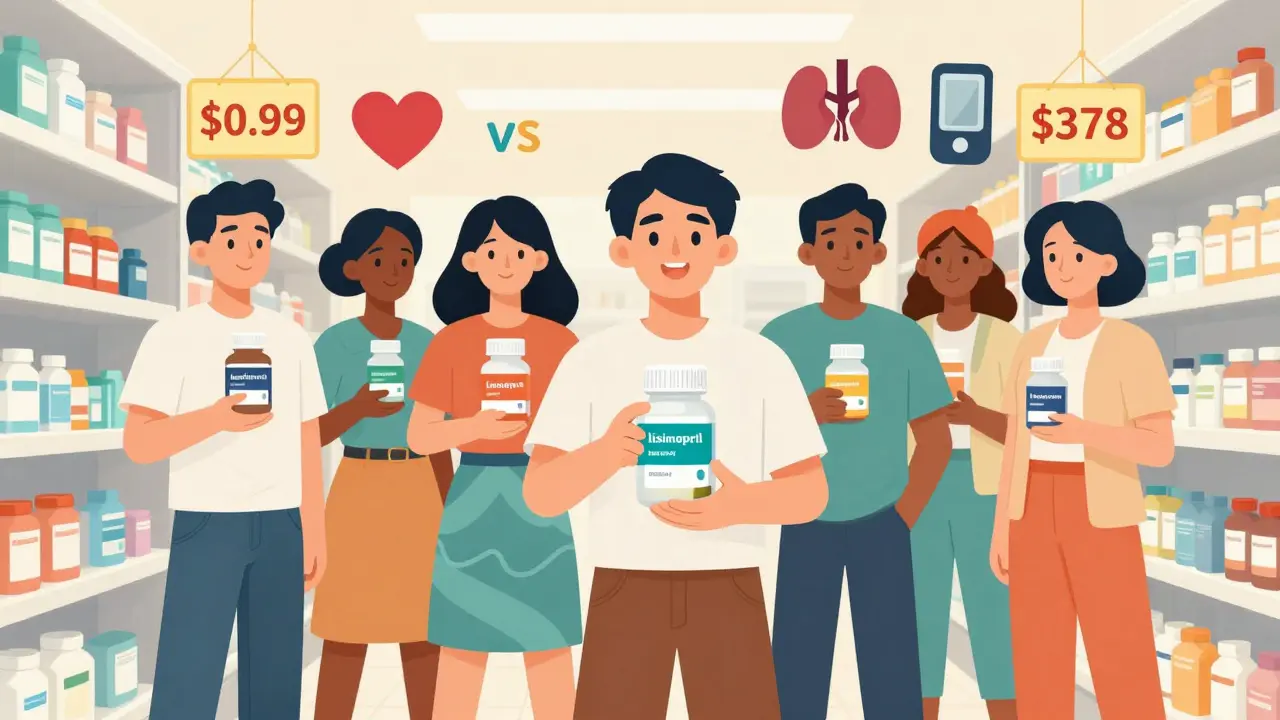
The numbers speak for themselves. A 2022 study in the American Journal of Managed Care found that patients on generics had 12-15% higher adherence rates than those on brand-name drugs. Why? Because they cost less. A 30-day supply of brand-name atorvastatin can cost $378. At a major pharmacy, the generic? Just 99 cents. That kind of price difference makes it easier to keep taking your meds.
When Generics Can Cause Trouble
Not every drug is created equal when it comes to generics. Some medications have a narrow therapeutic index-meaning the difference between a dose that works and one that’s too much or too little is very small. For these, even tiny changes in absorption can matter.
Drugs like levothyroxine (for thyroid), warfarin (a blood thinner), and phenytoin (for seizures) fall into this category. Studies show that 5-8% of patients on levothyroxine experience fluctuations in their thyroid hormone levels when switching between different generic manufacturers. That’s not because the generic is bad-it’s because each manufacturer’s version has slightly different inactive ingredients, which can affect how the pill breaks down in your gut.
One patient on Reddit shared: “I switched from Synthroid to generic levothyroxine and felt exhausted, gained weight, and my TSH shot up.” That’s not rare. A Drugs.com survey of 2,450 people found 8% stopped generics because they felt worse. For these patients, sticking with one manufacturer matters. If you’re stable on a specific brand or generic, ask your pharmacist to refill with the same one.
What Patients Really Experience
Real-world experiences vary. Here’s what people report:
- 41% notice no difference at all.
- 32% say they feel the same but are thrilled they’re paying less.
- 19% have minor side effects-like a headache or upset stomach-that fade within a few weeks.
- 8% stop because they believe the generic doesn’t work as well.
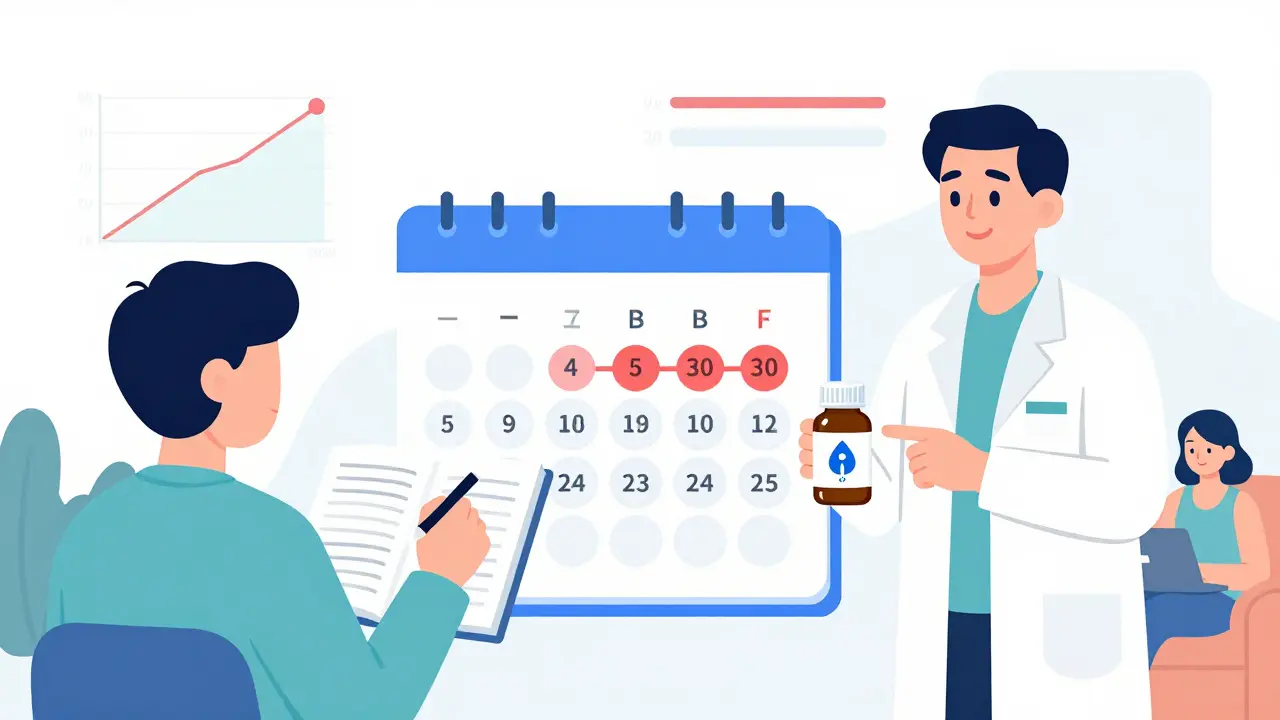
But here’s the catch: in many cases, what feels like “the generic isn’t working” is actually the body adjusting. Your system has been on a specific version for months or years. Switching-even to an identical drug-can cause a brief adjustment period. That’s why experts recommend a 30-day transition window. Track your symptoms daily. Note your energy, mood, sleep, or any new side effects. If things don’t improve after a month, talk to your doctor.
Low-income seniors rely on generics more than any other group. A Kaiser Family Foundation survey found 76% of Medicare beneficiaries said they couldn’t afford their meds without generics. For many, the choice isn’t between brand and generic-it’s between taking the drug or skipping it.
How to Make the Switch Smoother
Switching doesn’t have to be scary. Here’s how to do it right:
- Ask your pharmacist which generic manufacturer you’re getting. If you’ve had a good experience with one brand of generic, ask to stick with it. Many pharmacies will honor that request.
- Monitor symptoms. Use the FDA’s free Medication Tracker app or a simple notebook. Write down how you feel each day for the first 30 days.
- Don’t panic over small changes. A slight change in energy or digestion doesn’t mean the drug failed. Give it time.
- Don’t stop. If you feel off, don’t quit the drug. Call your doctor or pharmacist. They can check your labs or suggest switching back.
- Check your insurance. Most plans automatically switch you to generics unless you request otherwise. If you want the brand, you’ll likely need prior authorization-and approval rates are under 14%.
For complex meds like inhalers or patches, work with your pharmacist or respiratory therapist. Sometimes, the problem isn’t the drug-it’s how you use it. A change in inhaler design can throw off your technique, making you think the generic isn’t working.
What Doctors and Experts Say
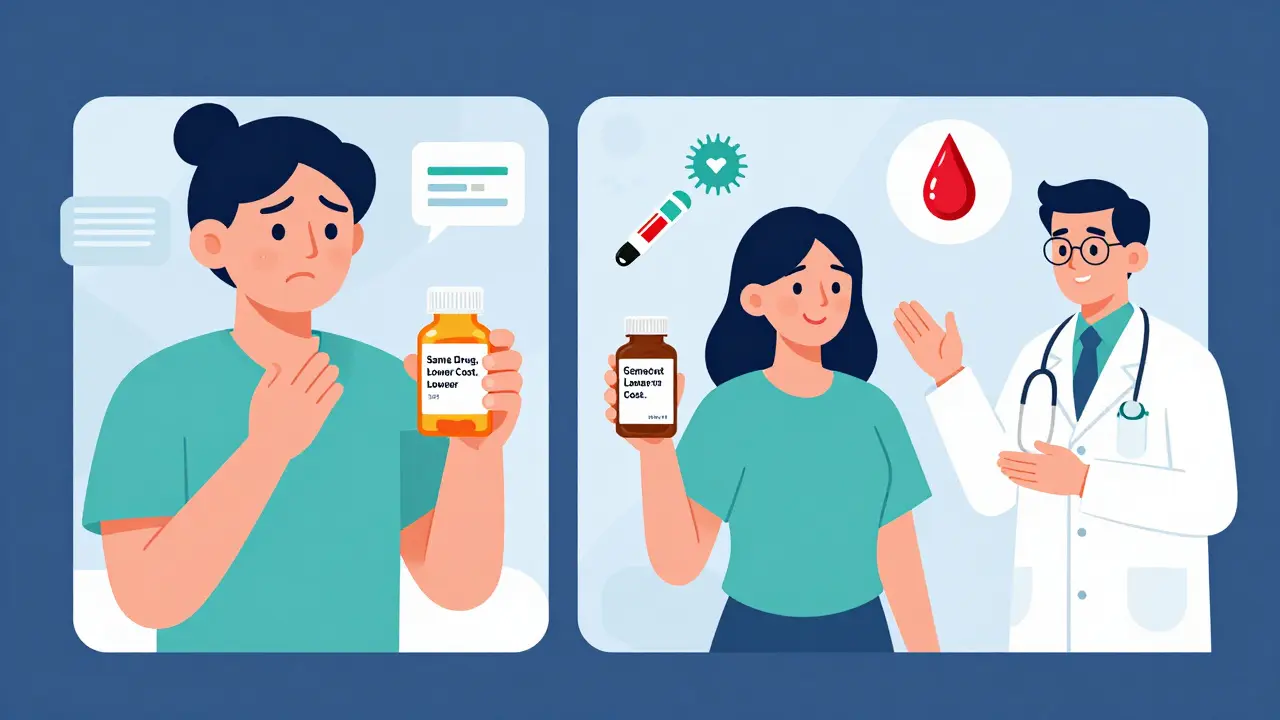
Dr. Aaron Kesselheim, a Harvard Medical School professor and FDA advisor, says: “For the vast majority of maintenance medications, generics are therapeutically equivalent.” The American College of Physicians agrees, saying generic substitution should be standard practice. They estimate it saves patients over $1,200 a year if they have multiple chronic conditions.
But not everyone is on board. Dr. Elizabeth Pearce, past president of the American Thyroid Association, warns: “For levothyroxine, patients stabilized on a specific brand should maintain that product.” That’s why some doctors will write “Do Not Substitute” on a prescription. It’s rare, but it happens.
Pharmacy benefit managers like Express Scripts report that 78% of maintenance prescriptions are filled with generics. But 12% of patients still ask for the brand. Why? Perception. Many believe the brand is stronger, even though science says otherwise.
What’s Changing Now
In 2023, the FDA approved 79 new generic versions of chronic disease drugs-including the first generics for Jardiance (diabetes) and Entresto (heart failure). The Inflation Reduction Act capped insulin costs at $35/month for Medicare patients, which pushed more people toward generics and biosimilars. And by 2026, the patent for Eliquis (a blood thinner) will expire, opening the door for dozens of new generics.
But there’s a warning: fewer companies now make generics. In 2010, there were 15 manufacturers for a typical drug. Now, it’s down to 8. That means supply shortages can happen. If your pharmacy runs out of your usual generic, don’t panic. Ask if another version is available. Most are safe-but if you’re sensitive, ask for a 30-day supply to test it first.
Final Thoughts: It’s Not About Brand, It’s About Consistency
Generics aren’t cheaper because they’re worse. They’re cheaper because they don’t need to pay for advertising, marketing, or patent lawsuits. They’re the same drug, made to the same standard. For 92% of people, switching to a generic is seamless. You’ll save money. You’ll stick with your meds. And your health won’t suffer.
But for the 8% who notice a difference-especially with thyroid, blood thinners, or seizure meds-consistency matters. Stick with the same manufacturer. Track your symptoms. Talk to your pharmacist. Don’t assume the problem is the drug. Sometimes, it’s just the change.
If you’ve been on a brand-name drug for years and are now being switched, give it time. Your body doesn’t need to be convinced. It just needs to adjust. And if it doesn’t? Your doctor can help you go back. But for most people, the generic is the smart, safe, and affordable choice.
Are generic maintenance medications as safe as brand-name drugs?
Yes. The FDA requires generics to have the same active ingredient, strength, dosage form, and route of administration as the brand-name drug. They must also meet strict bioequivalence standards, meaning they deliver the same amount of medicine into your bloodstream at the same rate. Over 90% of prescriptions filled in the U.S. are for generics, and they’ve been used safely for decades.
Why do some people feel worse after switching to a generic?
It’s usually not the active ingredient-it’s the inactive ones. Fillers, dyes, or coatings can affect how a pill dissolves in your stomach. For most people, this causes no issue. But for those on narrow therapeutic index drugs like levothyroxine or warfarin, even small changes can lead to temporary side effects. These usually resolve within a few weeks. If they don’t, talk to your doctor about switching back or sticking with one generic manufacturer.
Can I ask my pharmacy to always give me the same generic manufacturer?
Yes. You have the right to request the same generic manufacturer each time. Many pharmacies will honor this, especially if you’ve had a good experience with one version. If they say they can’t, ask if they can special order it. Consistency matters more than you think, especially for thyroid, heart, or seizure meds.
Does insurance force me to use generics?
Most plans do require generics for maintenance medications unless your doctor says otherwise. If you want the brand, you’ll need prior authorization-and approval is rare (under 14%). The system is designed to encourage generics because they’re just as effective and far cheaper. But if you have a medical reason to avoid generics, your doctor can help you appeal.
How long does it take to adjust to a generic medication?
Most people adjust within 2 to 4 weeks. Your body needs time to get used to a new formulation-even if the active ingredient is identical. Track your symptoms daily. If you feel worse after a month, contact your doctor. They may check your blood levels or suggest switching back. Don’t stop the medication on your own.
Sanjana Rajan
March 19, 2026 AT 07:20Ugh, I switched to generic levothyroxine last year and instantly turned into a zombie. No energy, gained 12 lbs, cried for no reason. My doctor said "it’s the same thing" but nope, it’s not. My TSH went from 2.1 to 8.7. I had to go back to Synthroid and pay $400 a month. Worth it. Don’t let them fool you into thinking generics are all equal.
Kendrick Heyward
March 20, 2026 AT 03:40Yessss!!! 😭 I’ve been on the same generic for 3 years and my BP is rock solid. Saved me $2,400 last year. Why do people make this into a drama? It’s literally the same molecule. If you’re still feeling off after 30 days, maybe it’s not the pill… maybe it’s your life. 😅
Ryan Voeltner
March 20, 2026 AT 16:55Scientific consensus is clear: bioequivalence standards are rigorous and well enforced. The FDA’s requirement of 80-125% plasma concentration overlap is not arbitrary but grounded in pharmacokinetic science. For the vast majority of patients, therapeutic equivalence is demonstrable and reproducible. Exceptions exist but are statistically rare and should be managed clinically rather than generalized.
Linda Olsson
March 21, 2026 AT 19:20Did you know that the FDA allows generics to use fillers like talc and magnesium stearate? These are the same substances used in cosmetics and industrial lubricants. And the manufacturers? Mostly overseas. China and India control 80% of the active ingredients. Do you really trust your life to a pill made in a factory with no oversight? I don’t. My thyroid won’t be a lab experiment.
Ayan Khan
March 22, 2026 AT 07:40There is wisdom in consistency, not just in medicine but in life. If a medicine has held you steady for years, why shake the foundation? The system pushes generics because they are cheaper, not because they are better. I respect the intent, but I also honor the body’s memory. If it ain’t broke, don’t switch. And if you must, stick to one maker. The body remembers what it trusts.
Emily Hager
March 24, 2026 AT 07:13It’s not about the science. It’s about control. When you’ve been told what to take for decades, being forced into a generic feels like losing autonomy. And let’s be honest - the insurance companies don’t care if you feel like garbage. They care about their margins. I’ve seen people drop their meds because they couldn’t afford the brand. That’s not healthcare. That’s rationing disguised as efficiency.
Melissa Starks
March 25, 2026 AT 11:07I switched from brand to generic for my blood pressure med and honestly? I felt like a new person. No more brain fog, no more afternoon crashes. I was skeptical too, but I tracked my numbers daily for a month. My BP dropped 10 points, my sleep improved, and I stopped feeling like I was dragging through molasses. I’m not saying it works for everyone, but for me? It was a miracle. And I saved $300 a month. That’s a Netflix subscription and a half. Why are we so scared of saving money when it doesn’t hurt us?
Kal Lambert
March 27, 2026 AT 06:58Stick with one manufacturer. If you’re stable, don’t switch. If you switch, monitor. If you feel off after 30 days, talk to your doc. Simple. No drama. No fear. Just science and common sense.
Melissa Stansbury
March 28, 2026 AT 06:47Wait wait wait - so you’re telling me I can’t just pick whichever generic is cheapest? I thought that’s what generics were for? I’m on Medicare and I’ve been getting the $5 version for years. I don’t care if it’s made in a cave in Bangalore. As long as I’m not dying, I’m fine. My pharmacist says they’re all the same. Why are people making this so complicated? I just want to live my life without being a medical detective.
cara s
March 30, 2026 AT 07:27I’ve been on levothyroxine for 17 years. I switched from Synthroid to a generic back in 2018. At first I felt foggy, gained 3 pounds, had weird headaches. I thought I was dying. I went to my endocrinologist and she said, "It’s your body adjusting." I waited. I tracked. I journaled. Three weeks later, I felt better than I had in years. My TSH was perfect. My energy? Better than ever. I’ve been on that same generic since. I’m not a conspiracy theorist. I’m just someone who gave it time. And now? I save $400 a year. That’s a vacation. That’s groceries. That’s peace.
Amadi Kenneth
March 30, 2026 AT 15:57Let’s be real: the FDA is a puppet of Big Pharma. They approve generics from companies that pay them. I read a study - yes, I read studies - that showed 37% of generics from India had inconsistent dissolution rates. That means some pills dissolve too fast, some too slow. Your body doesn’t know. But your liver does. And your kidneys. And your thyroid. And your heart. And then? You’re on a rollercoaster. They don’t tell you this. They just say "it’s the same." But it’s not. It’s a gamble. And I’m not betting my life on a coin flip.